How to protect your teeth from NIGHT GRINDING or BRUXISM

Night grinding, medically known as bruxism, is a common dental condition that affects millions of people worldwide. Many individuals are unaware they grind or clench their teeth during sleep until symptoms begin to appear. Over time, this unconscious habit can lead to serious dental issues such as worn enamel, cracked teeth, jaw pain, and headaches.

Although occasional grinding may not cause major damage, chronic bruxism can significantly impact oral health. Understanding the causes of night grinding and learning effective ways to protect your teeth can help prevent long-term complications and maintain a healthy smile.

What Is Night Grinding?

Night grinding occurs when a person unconsciously clenches or grinds their teeth during sleep. Unlike daytime clenching, which many people can control once they become aware of it, nighttime grinding happens involuntarily.

The muscles responsible for chewing remain active during sleep, causing the upper and lower teeth to rub against each other repeatedly. This constant pressure can place significant strain on the teeth, gums, and jaw joints.

Since most people are asleep when it occurs, they may only discover the condition when a partner hears grinding noises or when dental symptoms begin to appear.

Common Signs That You May Be Grinding Your Teeth

Many people live with bruxism for years without realizing it. However, there are several warning signs that may indicate nighttime grinding.

One of the most common symptoms is jaw soreness or stiffness in the morning. People who grind their teeth often wake up with tight or painful jaw muscles. Frequent morning headaches, particularly around the temples, can also be a sign of teeth grinding.

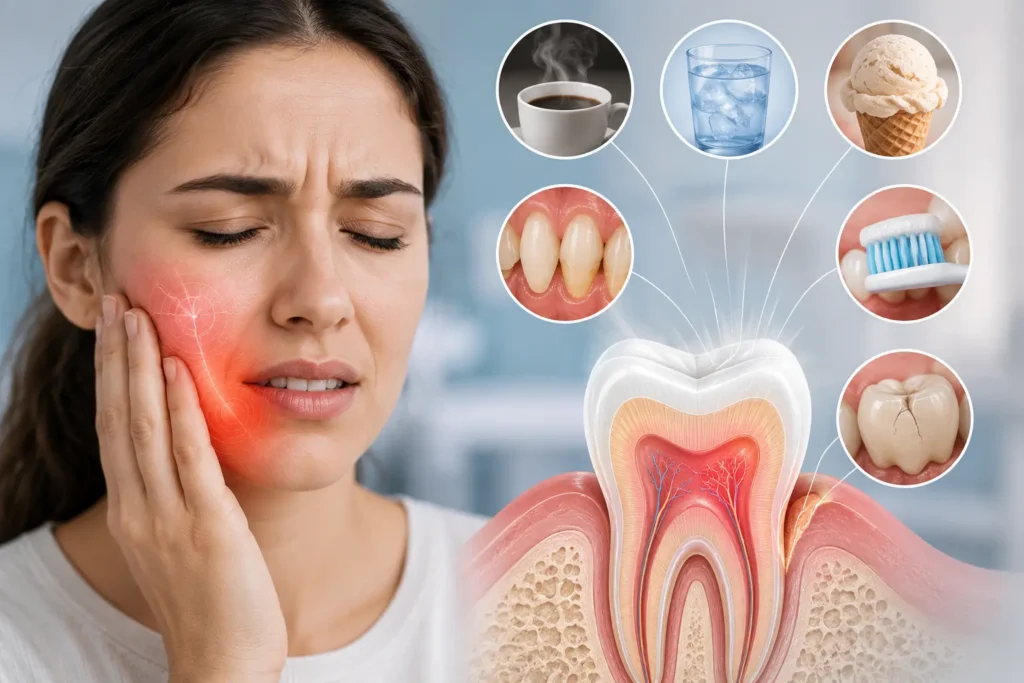
Another noticeable symptom is tooth sensitivity. Grinding gradually wears down the enamel, exposing the underlying dentin layer and making teeth more sensitive to hot, cold, or sweet foods.

Other possible symptoms include:

  • Flattened or worn-down teeth
  • Cracked or chipped teeth
  • Ear pain without infection
  • Clicking or popping sounds in the jaw
  • Interrupted sleep patterns

If these symptoms appear frequently, it may indicate that bruxism is affecting your oral health.

What Causes Night Grinding?

Night grinding can occur for several reasons, and often more than one factor contributes to the problem.

Stress and Anxiety

Stress is one of the most common causes of bruxism. When the body is under emotional tension, muscles may remain tight even during sleep. This can cause clenching and grinding throughout the night.

Bite Misalignment

An uneven bite or misaligned teeth can also contribute to grinding. When the teeth do not fit together properly, the jaw muscles may try to adjust during sleep, resulting in grinding.

Sleep Disorders

Conditions such as sleep apnea are sometimes associated with bruxism. Disrupted breathing during sleep may trigger the body to grind or clench the teeth.

Lifestyle Factors

Certain lifestyle habits may increase the risk of bruxism. These include excessive caffeine intake, alcohol consumption, smoking, and the use of some medications.

Understanding the underlying cause of grinding is essential for choosing the most effective treatment.

How Night Grinding Damages Your Teeth

Grinding places extreme pressure on the teeth. In fact, the force generated during grinding can be much stronger than the pressure used during normal chewing.

Over time, this constant friction gradually wears down the protective enamel layer. Once enamel becomes thin, teeth become vulnerable to sensitivity, cavities, and fractures.

In severe cases, grinding can lead to cracked teeth, loose teeth, or even tooth loss. Bruxism can also strain the temporomandibular joint (TMJ), causing jaw pain, difficulty chewing, and limited mouth movement.

Because of these risks, protecting your teeth from grinding is extremely important.

Effective Ways to Protect Your Teeth from Night Grinding

Fortunately, several preventive and treatment options can help protect your teeth and reduce the effects of bruxism.

Wear a Custom Night Guard

One of the most effective ways to protect teeth from grinding is by wearing a custom night guard. This dental appliance fits comfortably over the teeth and acts as a protective barrier between the upper and lower teeth.

Night guards prevent direct tooth contact and absorb the pressure created by grinding. This helps protect enamel and reduce strain on the jaw muscles.

Reduce Stress Before Sleep

Since stress often contributes to bruxism, relaxation techniques before bedtime can help reduce grinding. Activities such as meditation, gentle stretching, reading, or listening to calming music may help relax the body and jaw muscles.

Establishing a consistent bedtime routine can also improve sleep quality and reduce nighttime muscle tension.

Limit Caffeine and Alcohol

Stimulants like caffeine can increase muscle activity during sleep. Limiting coffee, energy drinks, and caffeinated beverages in the evening may reduce grinding episodes.

Alcohol can also interfere with sleep patterns and increase the likelihood of bruxism.

Improve Sleep Habits

Good sleep hygiene plays an important role in managing teeth grinding. Maintaining a regular sleep schedule, avoiding screens before bed, and creating a relaxing sleep environment can help promote deeper, more restful sleep.

When the body sleeps properly, muscle tension tends to decrease.

Address Dental Alignment Issues

If grinding is caused by bite misalignment, a dentist may recommend treatments to improve the way the teeth fit together. Correcting bite issues can reduce pressure on the jaw and help minimize grinding.

When to See a Dentist

If you suspect that you grind your teeth at night, it is important to seek professional dental advice. A dentist can identify early signs of enamel wear, tooth damage, or jaw strain.

Early diagnosis allows for simple preventive treatments such as night guards or bite adjustments, which can protect teeth from long-term damage.

Final Thoughts

Night grinding is a common but often overlooked dental condition. While occasional grinding may not cause serious harm, chronic bruxism can lead to tooth damage, jaw pain, and other oral health problems.

The good news is that with early awareness and proper care, it is possible to protect your teeth from the harmful effects of grinding. Wearing a night guard, managing stress, improving sleep habits, and seeking regular dental checkups can all help maintain a healthy and strong smile.

Taking steps today to protect your teeth from night grinding can prevent costly dental treatments and preserve your oral health for years to come.

The Link Between Oral Health and Overall Wellness


Oral health is often treated as something separate from general health. Many people believe that problems in the mouth stay limited to teeth and gums. In reality, your oral health is closely connected to your overall wellness, and ignoring dental issues can affect far more than just your smile.

Your mouth is the gateway to your body. It contains bacteria, tissues, blood vessels, and nerves that interact with the rest of your system every day. When oral health is neglected, it can trigger or worsen health problems throughout the body. Understanding this connection highlights why dental care is an essential part of maintaining overall wellness.

Oral Health Is a Window to Your Body

The condition of your mouth often reflects what is happening elsewhere in your body. Dentists frequently notice early signs of systemic conditions during routine checkups. Symptoms such as dry mouth, inflamed gums, ulcers, or frequent infections may point to underlying health issues.

Poor oral health can indicate nutritional deficiencies, immune disorders, or hormonal imbalances. Because the mouth responds quickly to changes in the body, it often provides early warning signs that something is not right.

Gum Disease and Heart Health

One of the strongest links between oral health and overall wellness involves gum disease and heart health. Gum disease is caused by bacteria that infect the tissues supporting the teeth. These bacteria can enter the bloodstream through inflamed or bleeding gums.

Once in the bloodstream, harmful bacteria can contribute to inflammation in blood vessels, increasing the risk of heart disease, clogged arteries, and stroke. Research shows that people with advanced gum disease are more likely to develop cardiovascular problems than those with healthy gums.

Maintaining healthy gums through regular dental checkups and proper oral hygiene can help reduce chronic inflammation and support heart health.

Oral Health and Diabetes

The relationship between diabetes and oral health works both ways. People with diabetes are more prone to gum infections due to reduced immunity and slower healing. At the same time, untreated gum disease can make blood sugar levels harder to control.

Inflamed gums increase insulin resistance, making diabetes management more difficult. This creates a cycle where poor oral health worsens diabetes, and uncontrolled diabetes worsens oral health. Regular dental care plays an important role in breaking this cycle and supporting overall metabolic health.

Impact on the Immune System

Chronic oral infections place constant stress on the immune system. When the body is continuously fighting bacteria from infected gums or teeth, it has fewer resources to defend against other illnesses.

Persistent oral inflammation may weaken immune response over time, making a person more susceptible to infections and slow healing. Keeping the mouth healthy reduces the overall bacterial load on the body and allows the immune system to function more effectively.

Oral Health and Respiratory Problems

Bacteria from the mouth can be inhaled into the lungs, especially in older adults or individuals with weakened immunity. This increases the risk of respiratory infections such as pneumonia and chronic lung conditions.

Good oral hygiene and regular dental cleanings help reduce harmful bacteria in the mouth, lowering the risk of respiratory complications.

The Mouth-Brain Connection

Emerging research suggests a possible link between poor oral health and cognitive conditions. Chronic inflammation caused by gum disease may play a role in neurological disorders by increasing inflammatory markers in the body.

While research is ongoing, maintaining oral health is increasingly seen as an important factor in supporting long-term brain health and cognitive function.

Oral Pain Affects Mental Well-Being

Oral health issues do not only affect physical health. Chronic dental pain, infections, or discomfort can significantly impact mental well-being. Constant pain can lead to stress, anxiety, sleep problems, and reduced quality of life.

People with untreated dental issues may also experience embarrassment or low self-esteem, affecting social interactions and emotional health. Addressing oral problems early helps maintain both physical comfort and mental balance.

Nutrition and Oral Health Go Hand in Hand

Healthy teeth and gums are essential for proper chewing and digestion. Dental problems can make eating uncomfortable, leading people to avoid nutritious foods such as fruits, vegetables, and proteins.

Poor nutrition can then weaken the immune system and overall health, creating a negative cycle. Maintaining oral health supports balanced nutrition, which in turn strengthens the body.

Why Preventive Dental Care Matters

Preventive dental care plays a key role in protecting overall wellness. Regular checkups help identify early signs of gum disease, infections, or structural issues before they impact the rest of the body.

Professional cleanings, timely treatments, and consistent oral hygiene reduce inflammation and bacterial spread. Prevention is not only easier but far more effective than managing advanced dental or systemic conditions.

Simple Habits That Support Overall Wellness

Daily oral hygiene habits such as brushing twice a day, flossing regularly, and staying hydrated contribute to both oral and overall health. Avoiding tobacco, limiting sugary foods, and managing stress also protect the mouth and body together.

Small, consistent actions make a meaningful difference over time.

Final Thoughts

Oral health is not separate from overall wellness. It is deeply connected to the health of your heart, immune system, metabolism, and mental well-being. Ignoring dental care can allow small oral problems to become larger health concerns.

By prioritizing regular dental checkups and good oral hygiene, you are not just protecting your smile. You are supporting your body as a whole. A healthy mouth truly contributes to a healthier life.

How One Dental Checkup Can Change Your Entire Year

Most people think of dental visits as something to deal with only when pain appears. A sudden toothache, bleeding gums, or swelling usually pushes dental care to the top of the priority list. However, by the time symptoms show up, the problem has often progressed much further than it needed to. A single routine dental checkup, done at the right time, can quietly prevent many of these issues and positively influence your oral health for the entire year.

A dental checkup is not just about spotting cavities. It is a preventive measure that protects your teeth, gums, and overall well-being while reducing stress, time, and expenses in the long run.

Early Detection Prevents Bigger Problems

One of the biggest advantages of a routine dental checkup is early detection. Dental problems almost always start small and painless. Cavities begin as minor enamel damage, gum disease starts as mild inflammation, and cracks in teeth often go unnoticed. During a checkup, a dentist can identify these issues before they worsen.

Treating dental problems early usually means simpler procedures, minimal discomfort, and faster recovery. This alone can help you avoid complex treatments later in the year.

Fewer Dental Emergencies Throughout the Year

Regular dental checkups play a major role in preventing dental emergencies. Tooth infections, abscesses, and broken teeth rarely happen without warning. In most cases, these emergencies are the result of issues that were developing quietly for months.

Emergency dental visits are stressful, inconvenient, and often expensive. A routine checkup significantly reduces the chances of sudden pain or urgent treatment, allowing you to move through the year with fewer unexpected disruptions.

Professional Cleaning Improves Long-Term Oral Health

Even with proper brushing and flossing, plaque and tartar accumulate in areas that are difficult to clean at home. Over time, this buildup leads to cavities, gum disease, and bad breath.

Professional dental cleaning during a checkup removes hardened deposits and improves gum health. Many patients also notice that their teeth feel cleaner and smoother, which motivates better oral hygiene habits for months afterward.

Gum Health Supports Overall Wellness

Gum disease often develops silently and painlessly, especially in its early stages. During a dental checkup, the dentist evaluates gum health by checking for inflammation, bleeding, and bone support around the teeth.

Identifying gum issues early helps prevent advanced periodontal disease. Healthy gums are also important for overall health, as gum infections have been linked to conditions such as diabetes and heart disease.

Planning Dental Care Instead of Reacting to Pain

A dental checkup allows you to plan your care rather than react to problems. If treatment is required, it can be scheduled at a convenient time instead of being rushed due to pain or infection.

Planned dental care is more comfortable, less overwhelming, and gives you better control over your time and budget. Knowing what to expect helps reduce anxiety and improves decision-making.

Preventive Care Saves Money Over Time

From a financial perspective, one dental checkup can lead to significant savings. Small dental issues cost far less to treat than advanced problems. A minor cavity, if ignored, can turn into a root canal or extraction.

Preventive care reduces the likelihood of expensive procedures and spreads dental expenses in a manageable way. In most cases, prevention costs far less than corrective treatment.

A Healthy Smile Boosts Confidence

When you know your teeth and gums are healthy, it shows. You smile more freely, speak with confidence, and worry less about pain or bad breath.

A routine dental checkup provides reassurance that your oral health is on track, helping you focus on personal and professional goals without constant concern about hidden dental problems.

Building a Long-Term Relationship With Your Dentist

Seeing the same dentist regularly helps build trust and consistency in care. Over time, your dentist becomes familiar with your dental history, habits, and risk factors.

This leads to more personalized treatment, faster diagnosis, and a more comfortable experience during future visits.

Prevention Takes Less Time Than Treatment

A routine dental checkup usually takes less than an hour. In contrast, advanced treatments often require multiple visits, recovery time, and follow-up appointments.

Investing a small amount of time in prevention can save you weeks of treatment later in the year.

Final Thoughts

A dental checkup is more than a routine appointment. It is a proactive decision that protects your health, saves money, and reduces stress. One simple visit can help you stay ahead of problems instead of dealing with them when they become painful and complicated.

Sometimes, one small step really can change your entire year.

Bridge vs Single Tooth Implant Long-Term Comparison

Losing a single tooth may seem like a small dental issue, but if left untreated, it can affect your bite, appearance, jawbone health, and overall oral function. When it comes to replacing one missing tooth, two popular options are a single tooth dental implant and a dental bridge.

While both restore function and aesthetics, their long-term impact on oral health differs significantly. This detailed comparison will help you understand which option is better for you in the long run.

Understanding the Two Options

What Is a Single Tooth Implant?

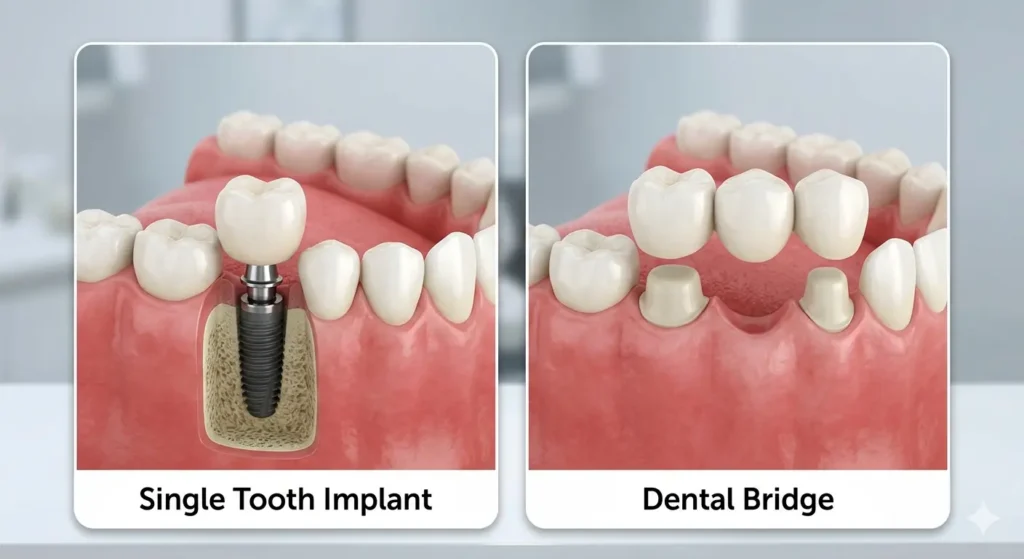
A single tooth implant involves placing a titanium post into the jawbone to act as an artificial tooth root. Once the implant integrates with the bone, a crown is placed on top to replicate a natural tooth.

This solution is independent, meaning it does not rely on neighboring teeth for support.

What Is a Dental Bridge?

A dental bridge replaces a missing tooth by anchoring an artificial tooth to the adjacent natural teeth. These neighboring teeth are reshaped and crowned to support the bridge.

While bridges offer quicker restoration, they rely heavily on surrounding teeth.

Long-Term Comparison: Implant vs Bridge

1. Longevity and Durability

A single tooth implant is designed to last decades and often a lifetime with proper care. The implant fuses with the jawbone, making it extremely stable.

A dental bridge typically lasts 7 to 12 years. Over time, the supporting teeth may weaken or develop decay, requiring replacement of the bridge.

Long-term winner: Single tooth implant

2. Impact on Jawbone Health

Dental implants stimulate the jawbone, preventing bone loss in the area of the missing tooth. This preserves facial structure and prevents a sunken appearance.

Dental bridges do not stimulate the jawbone. Bone loss continues under the missing tooth area, which may affect facial aesthetics over time.

Long-term winner: Single tooth implant

3. Effect on Adjacent Teeth

A dental bridge requires grinding down healthy adjacent teeth to place crowns. This permanently alters those teeth and increases their risk of decay or root canal treatment later.

A single tooth implant does not affect neighboring teeth at all. Each tooth remains independent.

Long-term winner: Single tooth implant

4. Oral Hygiene and Maintenance

Implants are maintained just like natural teeth through brushing, flossing, and regular dental checkups.

Bridges require extra cleaning tools like floss threaders or water flossers to clean underneath the artificial tooth. Poor cleaning can lead to gum disease and decay.

Long-term winner: Single tooth implant

5. Comfort and Function

A dental implant feels and functions like a natural tooth. It offers excellent chewing efficiency and bite stability.

A dental bridge may feel slightly different due to reliance on adjacent teeth. Over time, bridges can loosen or feel uncomfortable if supporting teeth weaken.

Long-term winner: Single tooth implant

6. Aesthetics Over Time

Implants maintain gum and bone levels, ensuring consistent aesthetics for years.

Bridges may show gum recession or shadowing near the artificial tooth as bone loss progresses underneath.

Long-term winner: Single tooth implant

7. Treatment Time

Dental bridges are faster and can often be completed within a few weeks.

Dental implants take longer because they require healing time for the implant to integrate with the bone. This can take several months.

Short-term convenience winner: Dental bridge
Long-term value winner: Single tooth implant

8. Cost Comparison Over Time

Dental bridges usually have a lower upfront cost, making them attractive initially.

Dental implants have a higher initial cost, but they require fewer replacements and less long-term maintenance. Over time, implants often become more cost-effective.

Long-term financial winner: Single tooth implant

Who Is a Better Candidate for a Bridge?

A dental bridge may be suitable if:

  • You want a quicker solution
  • You have medical conditions affecting bone healing
  • You are not currently eligible for implant surgery
  • Adjacent teeth already need crowns

Who Should Choose a Single Tooth Implant?

A dental implant is ideal if:

  • You want a permanent solution
  • You have healthy gums and sufficient bone
  • You want to preserve adjacent teeth
  • You are focused on long-term oral health

Modern implant dentistry also offers bone grafting and advanced planning, making implants possible for more patients than ever before.

Why Dentists Prefer Implants for Long-Term Results

From a long-term oral health perspective, most dentists prefer single tooth implants because they:

  • Preserve jawbone health
  • Maintain natural tooth structure
  • Reduce future dental complications
  • Offer superior comfort and aesthetics

While bridges still have their place, implants are increasingly considered the gold standard for replacing a single missing tooth.

Final Verdict: Which Is Better in the Long Run?

If you are looking at long-term durability, oral health, and cost-effectiveness, a single tooth dental implant is generally the better option.

Dental bridges can be a good short-term or situational solution, but they come with limitations that may lead to additional dental treatments later.

The right choice depends on your oral health, budget, and personal goals. A professional dental evaluation is essential to determine the best solution for your smile.

Book a Consultation

If you are unsure whether a dental implant or bridge is right for you, consult an experienced dental professional for a personalized treatment plan. Early intervention ensures better outcomes and long-lasting results.

Does a Root Canal Kill the Tooth? The Truth Explained

One of the most common fears patients have before dental treatment is the belief that a root canal “kills” the tooth. This myth often causes people to delay treatment, leading to severe pain, infection, or even tooth loss. The truth is very different from what many people think.

A root canal does not kill your tooth. In fact, it is a procedure designed to save your natural tooth and relieve pain while restoring normal function. Let’s break down what actually happens during a root canal and why this treatment is often the best option for long-term oral health.

What Does “Killing the Tooth” Really Mean?

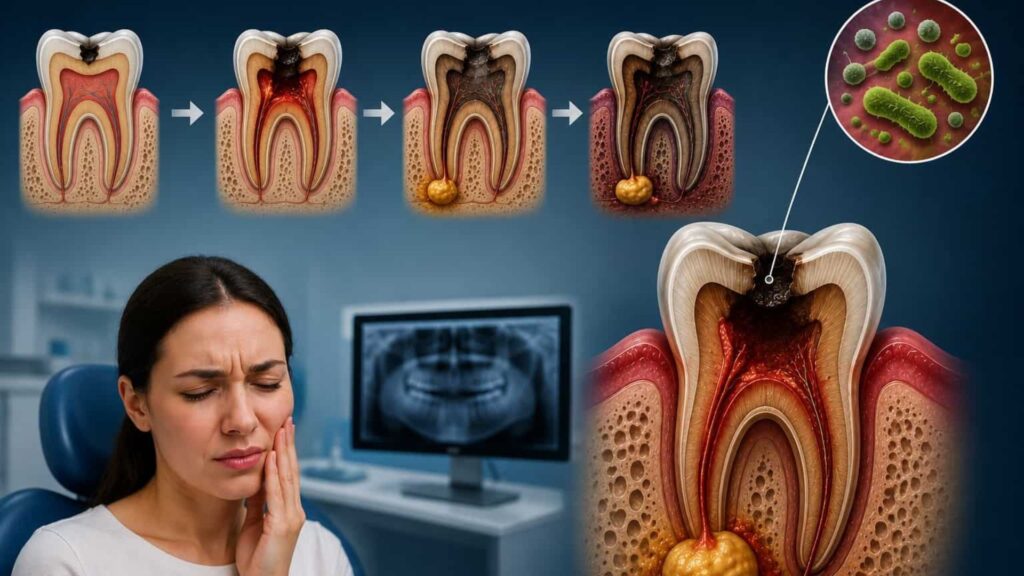
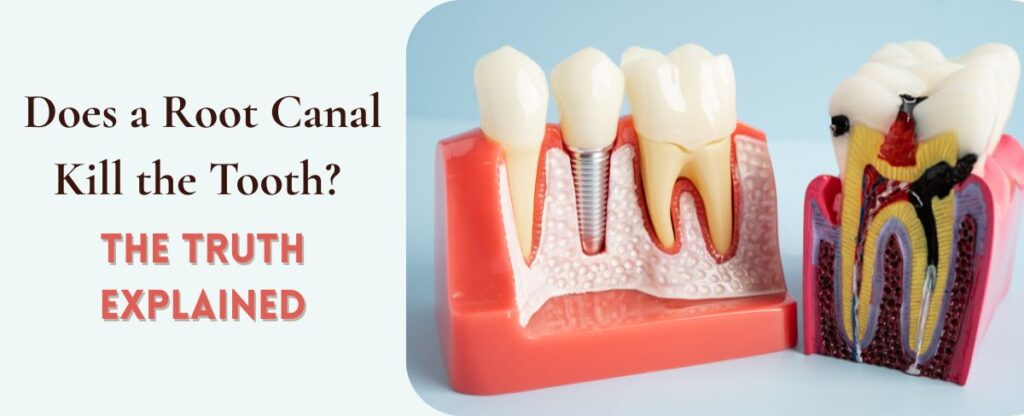
Teeth are made up of several layers. The outer enamel and dentin protect the inner pulp, which contains nerves, blood vessels, and connective tissue. When people say a tooth is “dead,” they usually mean the pulp inside the tooth is no longer alive.

However, a tooth does not rely on its pulp to stay functional once it has fully developed. The surrounding gums, ligaments, and jawbone continue to support and nourish the tooth. This means a tooth can remain healthy, strong, and fully functional even after pulp removal.

Why Is a Root Canal Needed?

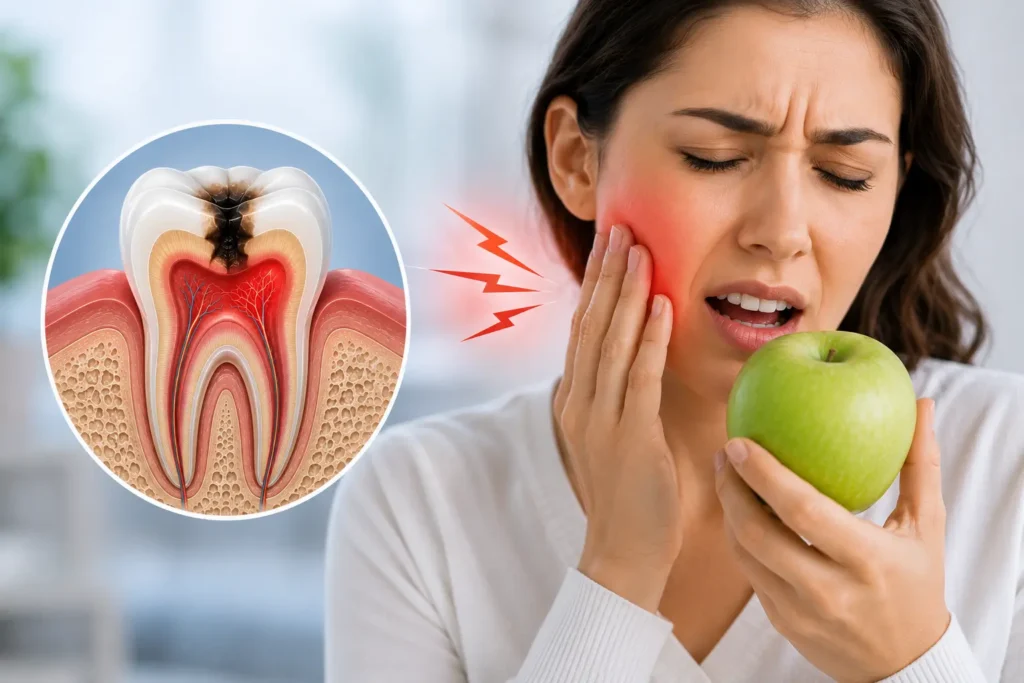
A root canal is required when the pulp inside the tooth becomes infected or inflamed due to:

  • Deep cavities
  • Cracks or fractures
  • Repeated dental procedures on the same tooth
  • Trauma or injury

When pulp tissue is infected, it cannot heal on its own. If left untreated, the infection can spread to the jawbone, cause abscess formation, and eventually lead to tooth loss.

A root canal removes the infected pulp, cleans the inner canals, and seals the tooth to prevent future infection.

What Actually Happens During a Root Canal?

During root canal treatment, the dentist:

  1. Removes the infected or inflamed pulp tissue
  2. Cleans and disinfects the root canals
  3. Shapes the canals for proper sealing
  4. Fills the canals with a biocompatible material
  5. Restores the tooth with a filling or crown

Once this process is complete, the tooth is free of infection and pain. It continues to function like a natural tooth for chewing and biting.

Does the Tooth Become Weak After a Root Canal?

This is another common misconception. A tooth does not become weak because the nerve is removed. What actually weakens a tooth is the loss of natural structure due to decay or cracks, which is why dentists often recommend placing a crown after root canal treatment.

A crown protects the tooth from fracture, restores its strength, and allows it to function normally for many years. With proper restoration and care, a root canal treated tooth can last a lifetime.

Is a Root Canal Better Than Tooth Extraction?

In most cases, yes. Preserving your natural tooth is almost always better than removing it.

Here’s why saving the tooth matters:

  • Maintains natural chewing efficiency
  • Prevents shifting of nearby teeth
  • Preserves jawbone health
  • Avoids the need for replacements like implants or bridges

Extraction may seem like a quicker solution, but replacing a missing tooth often involves more time, cost, and maintenance in the long run.

Will the Tooth Still Feel Anything After a Root Canal?

After a root canal, the tooth will no longer feel temperature sensations like hot or cold. However, you can still feel pressure while chewing because the surrounding ligaments and tissues are still active.

This means the tooth remains part of your natural bite and continues to function normally.

Is Root Canal Treatment Painful?

Modern root canal treatment is designed to relieve pain, not cause it. Advances in anesthesia and technology make the procedure comfortable for most patients.

Any discomfort after treatment is usually mild and temporary, often related to tissue healing rather than the procedure itself. Most patients return to normal activities within a day.

Common Myths About Root Canal Treatment

Myth 1: A Root Canal Kills the Tooth

Truth: It removes infection and saves the tooth structure.

Myth 2: Extraction Is Better Than a Root Canal

Truth: Saving your natural tooth is usually healthier and more cost-effective.

Myth 3: Root Canal Treated Teeth Don’t Last

Truth: With proper care and a crown, they can last for decades.

Myth 4: Root Canals Are Extremely Painful

Truth: Modern techniques make them similar to routine fillings.

How to Care for a Root Canal Treated Tooth

After treatment, maintaining good oral hygiene is key:

  • Brush twice daily with fluoride toothpaste
  • Floss regularly
  • Avoid chewing hard objects like ice
  • Visit your dentist for regular checkups
  • Get a crown placed if recommended

These steps help ensure the longevity of the treated tooth.

When Might a Tooth Still Need Removal?

While root canal treatment is highly successful, extraction may be necessary if:

  • The tooth is severely cracked below the gum line
  • There is insufficient tooth structure left
  • Infection has caused extensive bone damage

In such cases, your dentist will discuss appropriate replacement options to restore function and aesthetics.

Final Verdict: Does a Root Canal Kill the Tooth?

No. A root canal does not kill your tooth. It removes infection, eliminates pain, and preserves the natural tooth structure so you can continue using it normally.

Delaying or avoiding treatment due to myths often leads to worse outcomes. If you’re experiencing persistent tooth pain or sensitivity, early evaluation and treatment can make all the difference.

Wisdom Teeth Removal When Is the Right Time
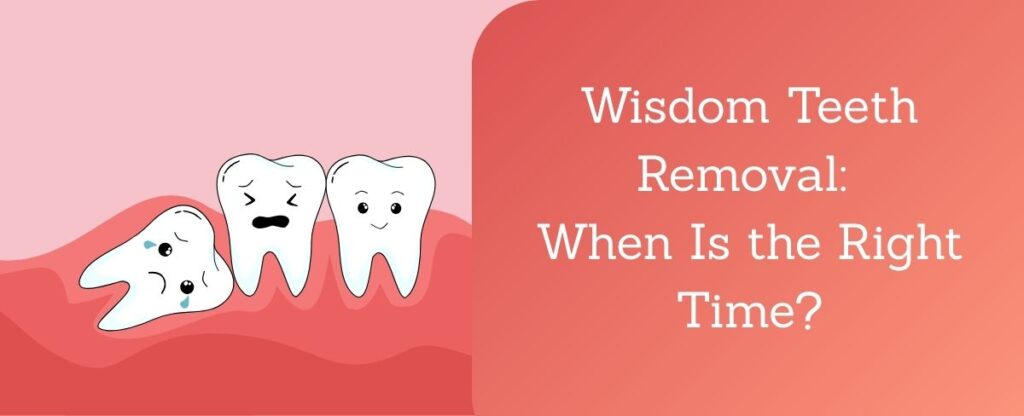

Wisdom teeth, also known as third molars, usually appear between the ages of 17 and 25. While some people experience no issues, many face pain, swelling, infection, or misalignment due to lack of space in the jaw. Knowing when to remove your wisdom teeth can prevent long-term complications and protect your overall oral health.

At AK Dental Clinic, recognized among the best dentists in Vile Parle and Juhu, we help patients identify the right time for removal using advanced diagnostics and experienced surgical expertise. Here’s everything you need to know.

What Are Wisdom Teeth and Why Do They Cause Problems?

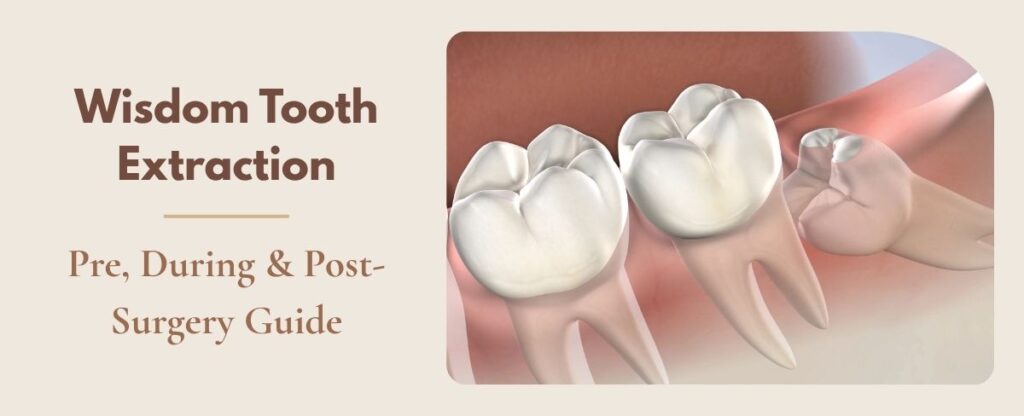
Wisdom teeth are the last set of molars that develop. Unlike other teeth, they often don’t have enough room to emerge properly, causing:

  • Impaction (trapped beneath the gums or bone)
  • Misalignment
  • Pressure on neighboring teeth
  • Gum infections
  • Cysts around the tooth
  • Decay due to difficult cleaning

Because of these complications, timely removal is often recommended to avoid long-term dental issues.

Signs It's Time to Remove Your Wisdom Teeth

Not everyone needs extraction, but several warning signs indicate it’s the right time.

1. Persistent Pain or Discomfort

If you’re experiencing frequent pain at the back of your mouth, especially while chewing or opening your mouth, it could be due to impacted wisdom teeth. Pain is the earliest clue that removal may be necessary.

2. Swollen or Bleeding Gums

A flap of gum tissue (called a pericoronal flap) may form over partially erupted wisdom teeth. This traps food and bacteria, causing infection, swelling, and bleeding.

3. Repeated Food Lodgement

If food constantly gets stuck behind your molars, it increases the risk of cavities and foul breath. Extraction helps protect your oral health.

4. Jaw Stiffness or Difficulty Opening the Mouth

This could indicate an infection or cyst around an impacted third molar.

5. Damage to Nearby Teeth

Wisdom teeth can push against the second molars, causing looseness, decay, or misalignment.

6. Sinus Issues

Upper wisdom teeth roots may irritate nearby sinus cavities, causing headaches, pressure, or congestion.

When any of these symptoms appear, visiting the best dentist early can prevent severe complications.

Ideal Age for Wisdom Teeth Removal

While wisdom teeth can be removed at almost any age, dentists recommend removal between:

Ages 17 and 25

At this stage:

  • The roots aren’t fully formed
  • Bone is softer
  • Healing is faster
  • Risk of complications is significantly lower

Delaying removal may lead to difficult surgeries and longer recovery times.

Types of Wisdom Tooth Issues That Require Extraction

At AK Dental Clinic, we categorize wisdom tooth positions using digital X-rays and 3D scans.

1. Impacted Wisdom Teeth

The most common issue. These teeth fail to erupt properly and remain trapped.

2. Partially Erupted Wisdom Teeth

These create a gap that harbors bacteria, leading to repeated infections.

3. Horizontally Positioned Teeth

These grow sideways, pressing into adjacent teeth and damaging the jawbone.

4. Wisdom Teeth Causing Orthodontic Problems

They may undo orthodontic treatment by crowding your teeth.

If you fall under any of these categories, removal is the most effective solution.

What Happens During Wisdom Teeth Removal?

Many patients fear the procedure, but at AK Dental, extractions are performed using modern, pain-free techniques.

Step-by-Step Process:

  1. Diagnosis with Digital Imaging
    Using advanced scans at our Dental Implants Clinic in Mumbai, we assess tooth position and plan the safest extraction.
  2. Local Anesthesia or Sedation
    Ensures complete comfort throughout the procedure.
  3. Tooth Removal
    The dentist gently removes the tooth, sometimes in small sections for minimal trauma.
  4. Suturing & Post-Care
    Sutures may be placed to aid healing. A thorough aftercare guide is provided.

Our experienced oral surgeons and implant specialists ensure a smooth, painless experience from start to finish.

Recovery Timeline: What to Expect After Removal

Most patients recover within a week. Here’s a general timeline:

Day 1–2:

Mild swelling and discomfort. Ice packs help.

Day 3–4:

Pain begins to decrease.

Day 5–7:

Most swelling disappears. Normal eating can resume.

Week 2:

Tissue healing is complete.

Our team provides complete follow-up support to ensure safe, fast recovery.

Why Choose AK Dental Clinic for Wisdom Teeth Removal?

AK Dental Clinic is trusted by patients across Mumbai for advanced oral surgery and restorative solutions.

✔ Experienced Surgeons

Our specialists are trained in complex extractions and implant dentistry.

✔ Modern Technology

3D imaging ensures accurate diagnosis and safer procedures.

✔ Comfortable, Sterile Environment

We prioritize patient comfort and infection control.

✔ Comprehensive Dental Solutions

If extraction leads to tooth loss that requires replacement, we also offer:

With personalized treatment plans and world-class care, AK Dental Clinic ensures a comfortable and stress-free experience.

Conclusion

Wisdom tooth removal isn’t always avoidable. The right time to remove them depends on symptoms, tooth position, and your oral health. Early diagnosis by an expert dentist helps prevent pain, infections, and future dental complications.

If you’re experiencing discomfort or want a professional check-up, schedule an appointment with the best dentists at AK Dental Clinic.

Our Locations

Scroll to Top