

Mouthwash has become a common part of many people’s daily oral hygiene routine. From fighting bad breath to promising stronger teeth and healthier gums, mouthwash is widely marketed as a quick solution for a cleaner mouth. But many people still wonder: should you use mouthwash every day, and is it actually necessary?
The truth is that mouthwash can be beneficial when used correctly, but it is not a replacement for brushing and flossing. Understanding how mouthwash works, its benefits, and the precautions involved can help you decide whether daily use is right for you.
What Is Mouthwash and How Does It Work?
Mouthwash, also called an oral rinse, is a liquid product designed to reduce bacteria in the mouth, freshen breath, and sometimes provide additional dental benefits such as cavity protection.
Most mouthwashes contain ingredients that help control bacteria, neutralize odor-causing compounds, and strengthen tooth enamel. Some also include antiseptic agents that help reduce plaque and prevent gum disease.
When used properly, mouthwash can reach areas of the mouth that brushing and flossing might miss, providing an extra layer of protection for your oral health.
Types of Mouthwash
Not all mouthwashes are the same. They generally fall into two main categories: cosmetic mouthwash and therapeutic mouthwash.
- Cosmetic Mouthwash
Cosmetic mouthwash is mainly designed to freshen breath and temporarily reduce oral odor. While it helps improve breath freshness, it does not actively treat dental conditions such as gum disease or cavities.
- Therapeutic Mouthwash
Therapeutic mouthwash contains active ingredients that target specific oral health concerns. These may include fluoride to strengthen enamel, antibacterial agents to reduce plaque, or antiseptics to fight gum infections.
Dentists often recommend therapeutic mouthwash for patients who are prone to cavities, gum disease, or excessive plaque buildup.
Benefits of Using Mouthwash
When used as part of a proper oral hygiene routine, mouthwash can offer several benefits.
- Helps Reduce Bacteria
The mouth contains millions of bacteria, some of which can cause plaque, gum disease, and bad breath. Mouthwash helps reduce harmful bacteria and maintain a healthier oral environment.
- Freshens Breath
One of the most immediate benefits of mouthwash is fresher breath. It helps neutralize odor-causing bacteria and leaves the mouth feeling clean and refreshed.
- Supports Gum Health
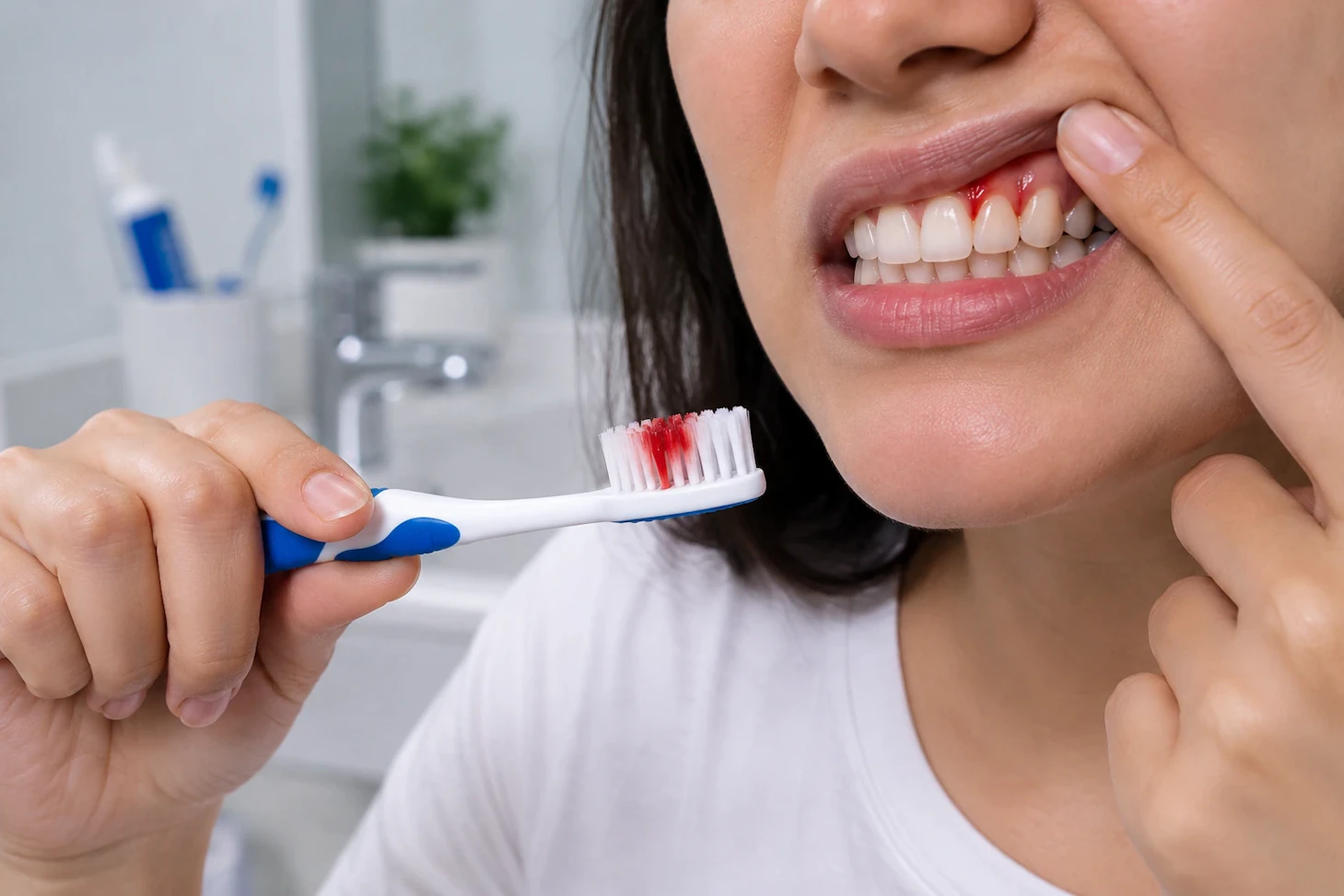
Certain therapeutic mouthwashes contain antibacterial ingredients that help reduce plaque and inflammation in the gums. This can help prevent gingivitis and improve gum health.
- Provides Extra Protection Against Cavities
Fluoride mouthwash helps strengthen tooth enamel and makes teeth more resistant to acid attacks from bacteria and sugary foods.
- Reaches Areas Brushing Might Miss
Even with careful brushing, some areas of the mouth can be difficult to reach. Mouthwash helps rinse away debris and bacteria from these hidden areas.
Should You Use Mouthwash Every Day?
Daily use of mouthwash can be beneficial for many people, especially those who want additional protection against cavities or gum disease. However, it should always be used as a supplement to brushing and flossing, not a replacement.
Dentists generally recommend brushing twice a day and flossing once daily as the foundation of oral care. Mouthwash can then be used to enhance these habits by reducing bacteria and freshening breath.
For individuals with specific dental concerns, such as gum inflammation or a high risk of cavities, a dentist may recommend using a therapeutic mouthwash regularly.
Precautions When Using Mouthwash
Although mouthwash can be helpful, improper use or overuse may cause certain problems.
- Avoid Relying on Mouthwash Alone
Some people use mouthwash as a quick substitute for brushing. This is not effective because mouthwash does not remove plaque from tooth surfaces. Mechanical cleaning with a toothbrush and floss is still necessary.
- Alcohol-Based Mouthwash May Cause Dry Mouth
Many traditional mouthwashes contain alcohol, which can create a burning sensation and sometimes contribute to dryness in the mouth. A dry mouth can actually increase the risk of tooth decay and bad breath.
Alcohol-free mouthwashes are often recommended for people with sensitive mouths or dry mouth conditions.
- Do Not Overuse Mouthwash
Using mouthwash excessively may disturb the natural balance of bacteria in the mouth. It is best to follow the instructions on the product label or the advice of your dentist.
- Children Should Use Mouthwash Carefully
Young children may accidentally swallow mouthwash, which can be harmful. Mouthwash is generally recommended only for older children who can rinse and spit properly.
How to Use Mouthwash Correctly
Using mouthwash properly helps ensure you get the most benefit from it.
Start by brushing and flossing your teeth thoroughly. Then measure the recommended amount of mouthwash, usually about 20 milliliters. Swish the liquid around your mouth for about 30 seconds, making sure it reaches all areas.
After rinsing, spit out the mouthwash and avoid rinsing your mouth with water immediately afterward. This allows the active ingredients to continue working.
Most mouthwashes are designed to be used once or twice daily.
When Mouthwash Is Especially Helpful
In certain situations, mouthwash can be particularly beneficial. People with braces, dental implants, or limited dexterity may find it helpful in reducing plaque buildup. It can also assist individuals who are prone to gum inflammation or frequent bad breath.
Dentists may also prescribe special medicated mouthwashes after dental procedures to help prevent infection and support healing.
Final Thoughts
Mouthwash can be a useful addition to your daily oral care routine when used correctly. It helps reduce bacteria, freshens breath, and provides additional protection for teeth and gums.
However, mouthwash should never replace brushing and flossing. The most effective oral hygiene routine combines proper brushing, daily flossing, regular dental checkups, and the appropriate use of mouthwash when recommended.
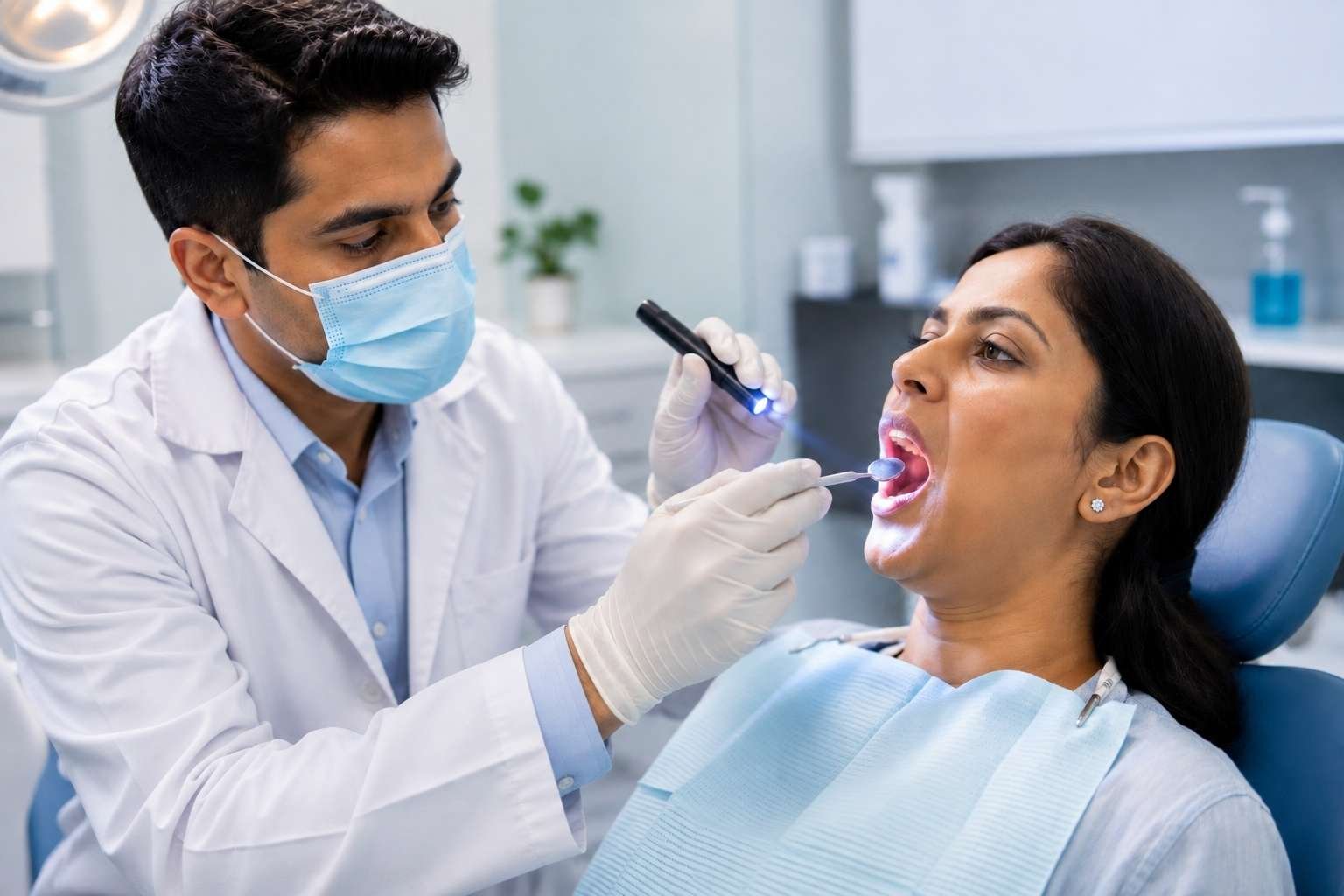
If you are unsure which type of mouthwash is best for you, consulting a dentist can help you choose the right option for your oral health needs. By using mouthwash wisely, you can support a healthier mouth and maintain a confident, fresh smile.