
Call/ Whatsapp

+91-8850992611

Follow us

Tooth Jewellery Trend: Is It Safe for Your Teeth?

Home Blog Tooth Jewellery Trend: Is It Safe for Your Teeth?

Tooth Jewellery Trend: Is It Safe for Your Teeth?

Home Blog Tooth Jewellery Trend: Is It Safe for Your Teeth?

Tooth Jewellery Trend: Is It Safe for Your Teeth?

tooth-jewellery-safety

Tooth gems have spread fast on social media: tiny crystals, foils and charms bonded onto the front of a tooth for a bit of sparkle. If you’re considering one, the question that matters most is simple: is it actually safe for your teeth? This article covers what tooth jewellery is, how it’s applied, what dental research and the American Dental Association say about the risks, and what to do if you already have one.

What Is Tooth Jewellery?

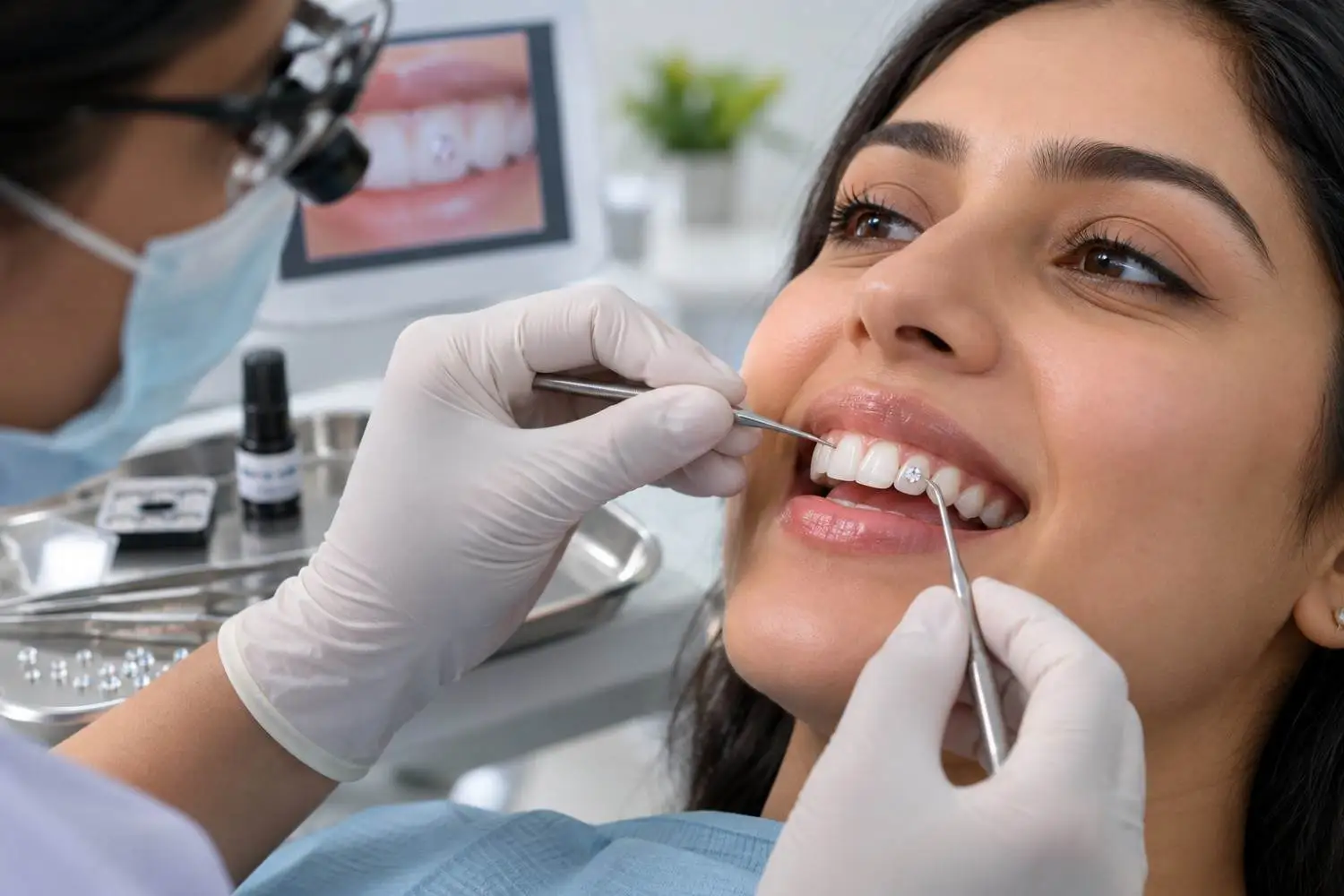
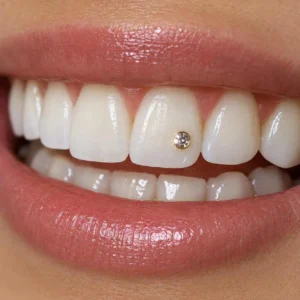
tooth-jewelleryTooth jewellery, also called tooth gems or dental jewellery, is a small decorative item attached to the visible surface of a tooth, usually placed on the upper front teeth where it shows most when someone smiles or talks.

Gems vary in material, size and shape: small crystals, rhinestones, metal charms or foils. None go inside the tooth; they sit on top of the enamel, held in place with a dental adhesive.

Tooth jewellery is different from oral piercing. Piercings puncture soft tissue in the lip, cheek or tongue. Tooth gems don’t puncture anything; they’re bonded to the tooth’s outer surface. The risks differ, though dental associations often address them together as forms of cosmetic oral jewellery.
How Are Tooth Gems Applied?

The process generally involves cleaning and drying the tooth, sometimes lightly conditioning the enamel so an adhesive bonds properly, then attaching the gem with a dental-grade bonding material and curing it, often with a small light.

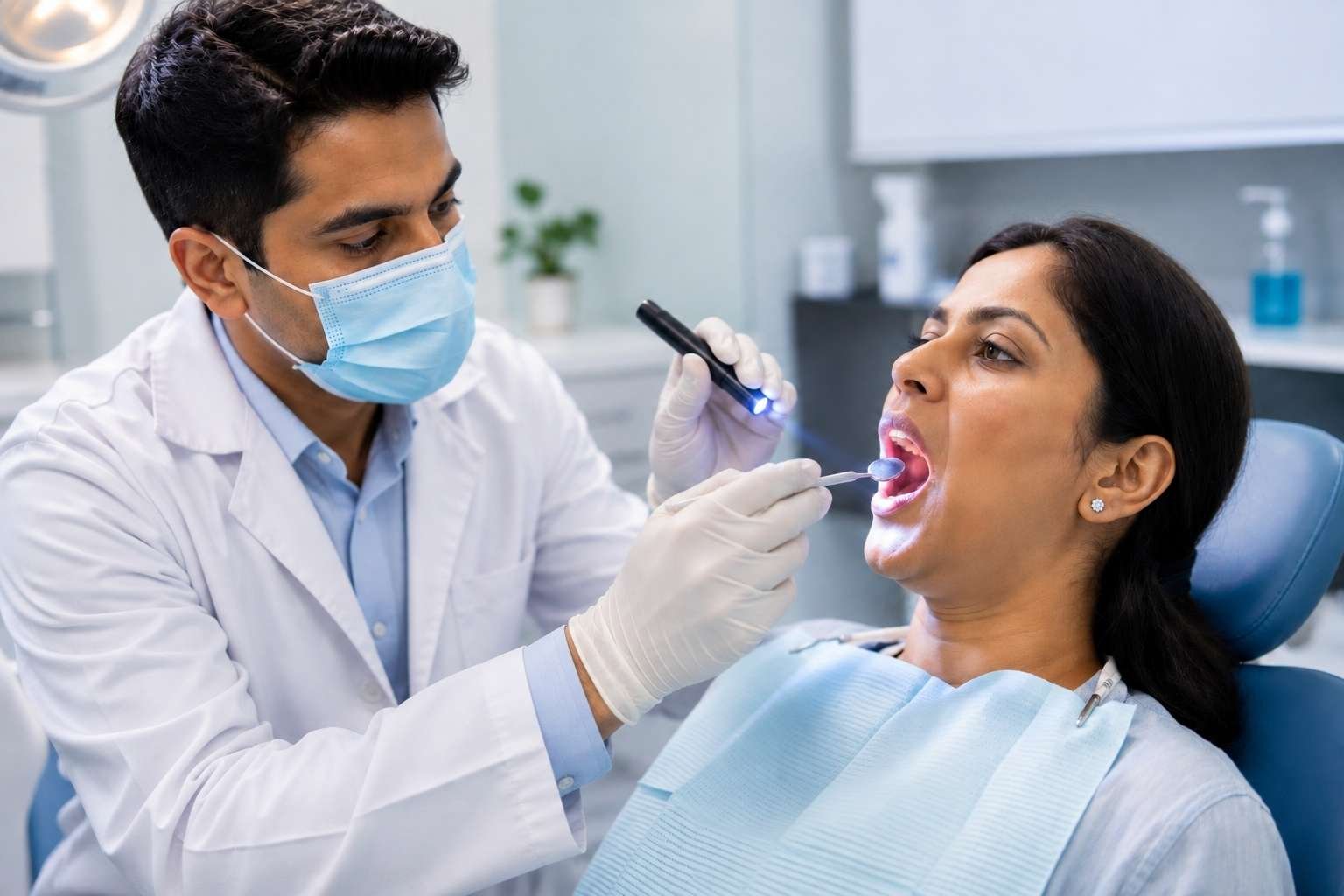
This isn’t something to attempt without a proper check first. A tooth needs to be assessed for decay, cracks or gum problems before anything is bonded onto it, since a gem placed over an existing issue can make that issue harder to catch later.

Are Tooth Gems Safe for Your Teeth?

Tooth gems are not risk-free. The ADA’s 2021 policy statement on intraoral/perioral piercing, tooth gems/jewellery, and tongue splitting advises against all three, citing an increased risk of negative oral health outcomes.

That doesn’t mean everyone who gets a tooth gem will develop a dental problem. The risk depends on the material and adhesive used, where on the tooth it sits, how easy it is to keep clean, how long it’s worn, and how carefully it’s eventually removed.

Can Tooth Gems Damage Your Teeth or Gums?

  1. Enamel – Enamel is the tooth’s hard outer layer, and it doesn’t regenerate once damaged. An adhesive that bonds too aggressively, or a surface over-prepared before bonding, can weaken it. Improper removal, such as scraping or prying, is the bigger concern and can chip or scratch enamel permanently.
  2. Cavities – A gem doesn’t cause a cavity on its own, but it can create a spot, often at its edges or underneath, where plaque and food debris collect more easily. Bacteria in that plaque produce acids that wear down enamel, so decay risk rises if the area isn’t cleaned thoroughly.
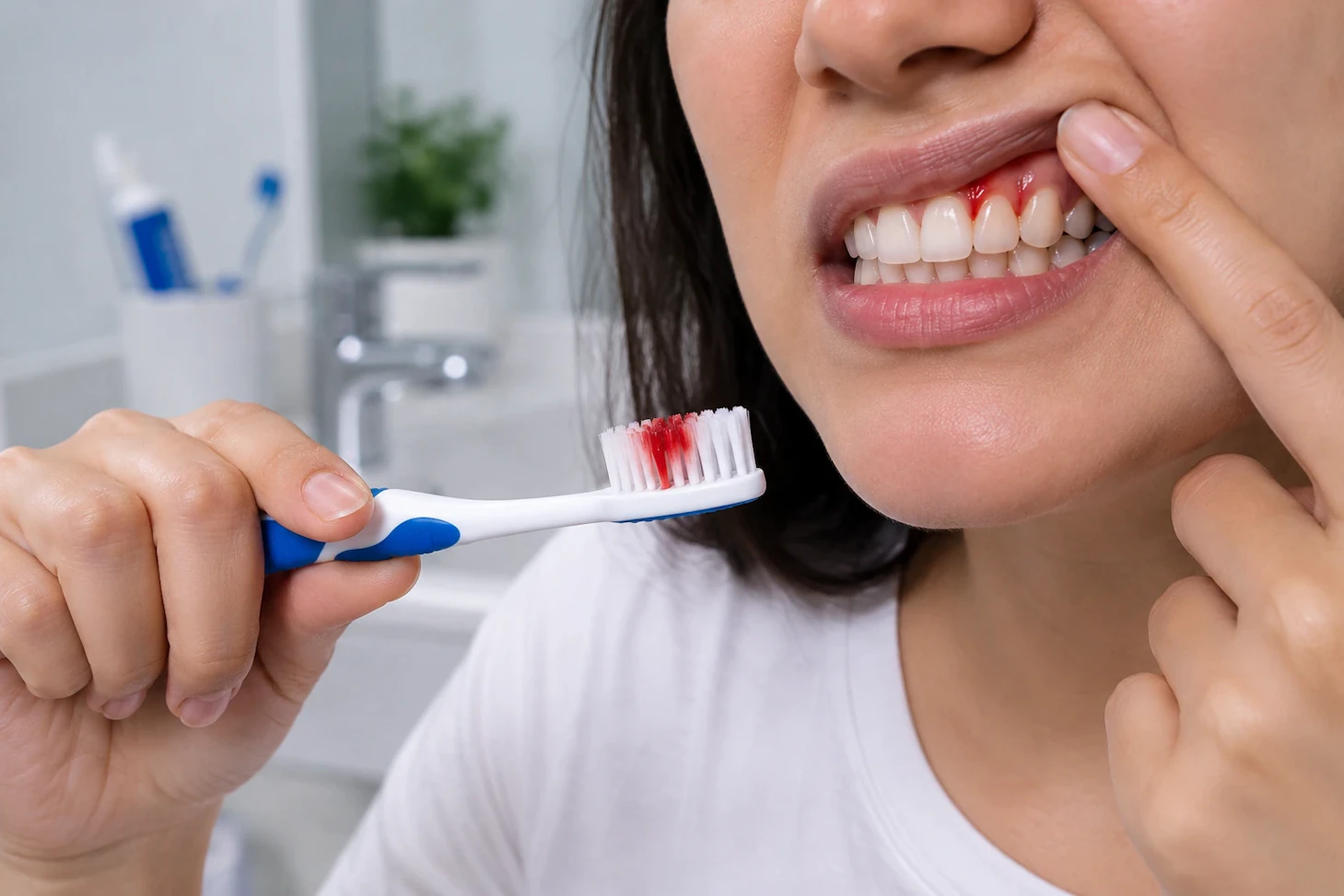
  3. Gums – A gem sitting close to the gumline or with rough edges can rub against gum tissue, causing irritation, redness or mild inflammation. This is more likely with poor placement than with a gem positioned well away from the gum.
  4. Chipping – A gem adds a small raised, hard surface that can contact an opposing tooth during normal biting. Risk rises with habits like biting down on it directly, playing with it using the tongue, or grinding.

Is DIY Tooth Jewellery Safe?

No, DIY application using super glue, nail glue or craft glue isn’t recommended. These products aren’t designed for use inside the mouth, may contain substances unsuitable for oral tissue, and often bond in ways that make safe removal much harder later. A simple, controlled removal by a dentist can turn into a difficult, riskier process once a non-dental adhesive is involved.

Is Professional Application Better?

Generally yes, though it isn’t a guarantee against every risk. A professional evaluation beforehand can catch problems that make a tooth a poor candidate for jewellery, including:

  • Existing cavities
  • Gum disease
  • Cracked or weakened teeth
  • Damaged enamel
  • Existing fillings, crowns or other restorations
  • Areas that are already hard to clean

Professional placement and removal reduce avoidable risks, but plaque control, wear over time, and individual habits still matter regardless of who applied the gem.

When Should a Tooth Gem Be Removed?

Watch for persistent irritation, pain, gum swelling, bleeding near the gem, sensitivity, looseness, difficulty cleaning around it, or visible decay or inflammation.

A loose gem deserves particular attention. If it comes even partly free, it could be swallowed or, depending on the circumstances, inhaled, so it shouldn’t be worn as normal. Contact a dentist promptly.

Safe removal is a job for a dental professional, using the right instruments so the tooth surface underneath isn’t unnecessarily damaged, rather than scraping or prying at home.

Frequently Asked Questions

1. Are tooth gems safe for your teeth? 

Not entirely. The ADA advises against them due to a higher chance of negative oral health outcomes, though real-world risk depends on the adhesive, placement and hygiene.

2. Can tooth gems cause cavities or damage enamel? 

Not directly, but they create spots where plaque collects, raising decay risk if not cleaned well. Enamel damage is more likely from improper removal than from the gem itself, and enamel doesn’t grow back.

3. Can I put a tooth gem on at home? 

No, Household adhesives like nail or super glue aren’t made for oral use and can make safe removal much harder later.

4. How long can a tooth gem stay on? 

There’s no fixed timeline. Many people wear one for a few months to around a year, but it’s worth having it checked periodically rather than treated as permanent.

5. What should I do if my tooth gem falls off? 

Stop wearing it if it becomes loose, since it could be swallowed or inhaled. Contact a dentist to check the tooth and clean off any leftover adhesive.

Tooth Jewellery: A Cosmetic Choice, Not a Risk-Free One

Tooth jewellery is a cosmetic trend, and like most things attached to a tooth, it isn’t risk-free, but it also doesn’t automatically lead to decay or gum disease. The real factors are the adhesive, the placement, how well the area is cleaned, and how carefully it’s eventually removed.

Anyone considering a tooth gem is better off starting with a conversation with a qualified dentist rather than a DIY kit, and anyone who already has one should watch for irritation, looseness, or difficulty cleaning around it. Good oral health holds up better than any trend.

Have questions about tooth jewellery or want a dental check before getting one?
Book a consultation with AK Dental Clinic.

Popular Posts

Share Blog post :

Share Blog post :

Authors:

Dr. Aditi Jain Gandhi

MDS Prosthodontist & Oral Implantologist

Dr. Kushal N. Gandhi

MDS Prosthodontist & Oral Implantologist

Leave A Comment

Your email address will not be published. Required fields are marked *