Call/ Whatsapp

+91-8850992611

Follow us

Tartar Buildup: Why Brushing Alone Cannot Remove It

Home Blog Tartar Buildup: Why Brushing Alone Cannot Remove It

Tartar Buildup: Why Brushing Alone Cannot Remove It

Home Blog Tartar Buildup: Why Brushing Alone Cannot Remove It

Tartar Buildup: Why Brushing Alone Cannot Remove It

tartar-buildup-why-brushing-alone-cannot-remove-it

You brush twice a day and floss when you can. Yet at your checkup, the dentist still points out hard deposits on your teeth. This is tartar, and it is very common in adults. The key point is simple: once plaque hardens into tartar, brushing cannot remove it. Only a dental professional can. In this blog, you will learn what tartar is, how it forms, what problems it causes, and how to keep it under control.

What Is Tartar?

What Is TartarTartar, also called dental calculus, is plaque that has hardened. Plaque is a soft, sticky film of bacteria that builds up on your teeth all day long. It is the fuzzy layer you can feel on your teeth when you wake up.

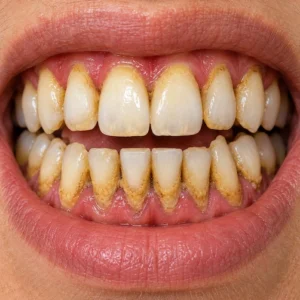
Tartar is different. It is usually yellow or brown, feels rough to the tongue, and sticks firmly to the tooth. It can form above the gumline, where you can see it, and below the gumline, where you cannot.
How Tartar Forms

Your saliva contains minerals such as calcium and phosphate. When plaque stays on your teeth, these minerals slowly settle into it and make it hard. This can begin within 24 to 72 hours if plaque is not cleaned off.

Tartar often appears first behind the lower front teeth and on the outer side of the upper back teeth. These spots are close to the openings of the salivary glands, so they get more minerals.

Some habits and conditions make plaque and tartar build up more easily:

  • Frequent sugary foods and drinks
  • Smoking or using tobacco
  • Dry mouth
  • Skipping floss or other cleaning between teeth

Why Brushing Alone Cannot Remove It?

Tartar bonds to the tooth like a hard crust. A toothbrush is made to break up soft plaque, not to scrape off mineralized deposits.

There is a second problem. The surface of tartar is rough and porous, so new plaque sticks to it easily. This means tartar can grow faster once it starts. Tartar below the gumline is also out of reach for any toothbrush.

Anti-tartar toothpaste can help slow down new buildup, but it does not remove tartar that is already there. Please do not try to scrape tartar off at home with pins, metal tools, or online scaling kits. This can cut your gums and scratch your enamel, and enamel does not grow back.

Problems Tartar Can Cause

Tartar is not just a cosmetic issue. Left alone, it can lead to:

  • Bad breath and stains – Bacteria that cling to tartar cause odor, and the deposits pick up color from food, tea, coffee, and tobacco.
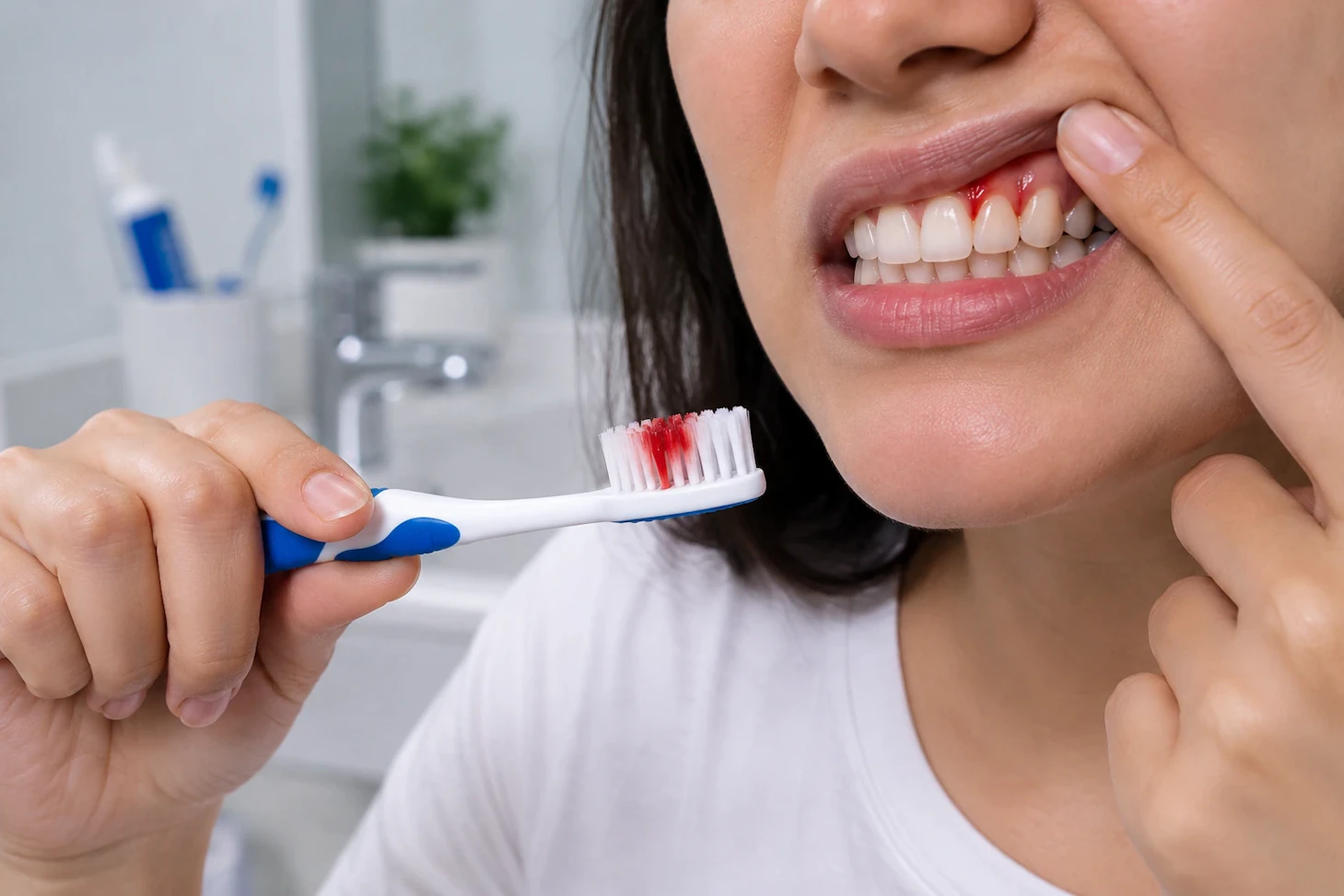
  • Gingivitis – This is the early stage of gum disease. Gums become red, swollen, and may bleed when you brush or floss. It can be reversed with proper cleaning and care.
  • Periodontitis – If gingivitis is ignored, the infection can move deeper and damage the bone that supports your teeth. This damage cannot be fully reversed.
  • Cavities and tooth loss – Tartar makes it harder to keep teeth clean, which raises the risk of decay. Advanced gum disease can lead to loose teeth and tooth loss.

Signs You May Have Tartar

Watch for these signs:

  • A rough or gritty feel on your teeth
  • Yellow or brown patches near the gumline
  • Bad breath that does not go away
  • Gums that bleed when you brush or floss

Keep in mind that early tartar, especially below the gumline, may not be visible. This is why regular dental checkups matter even when your teeth look fine.

How Dentists Remove Tartar?

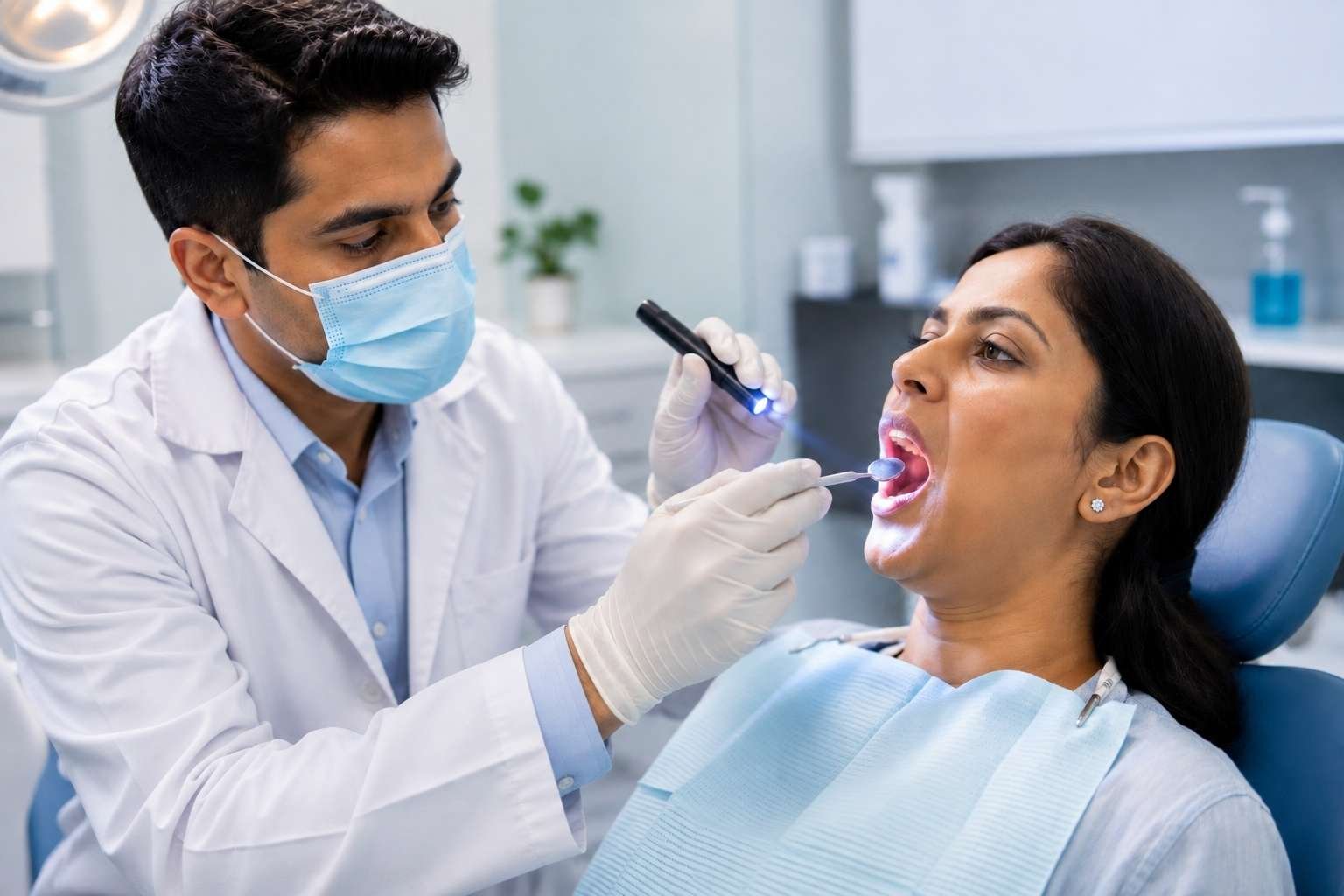
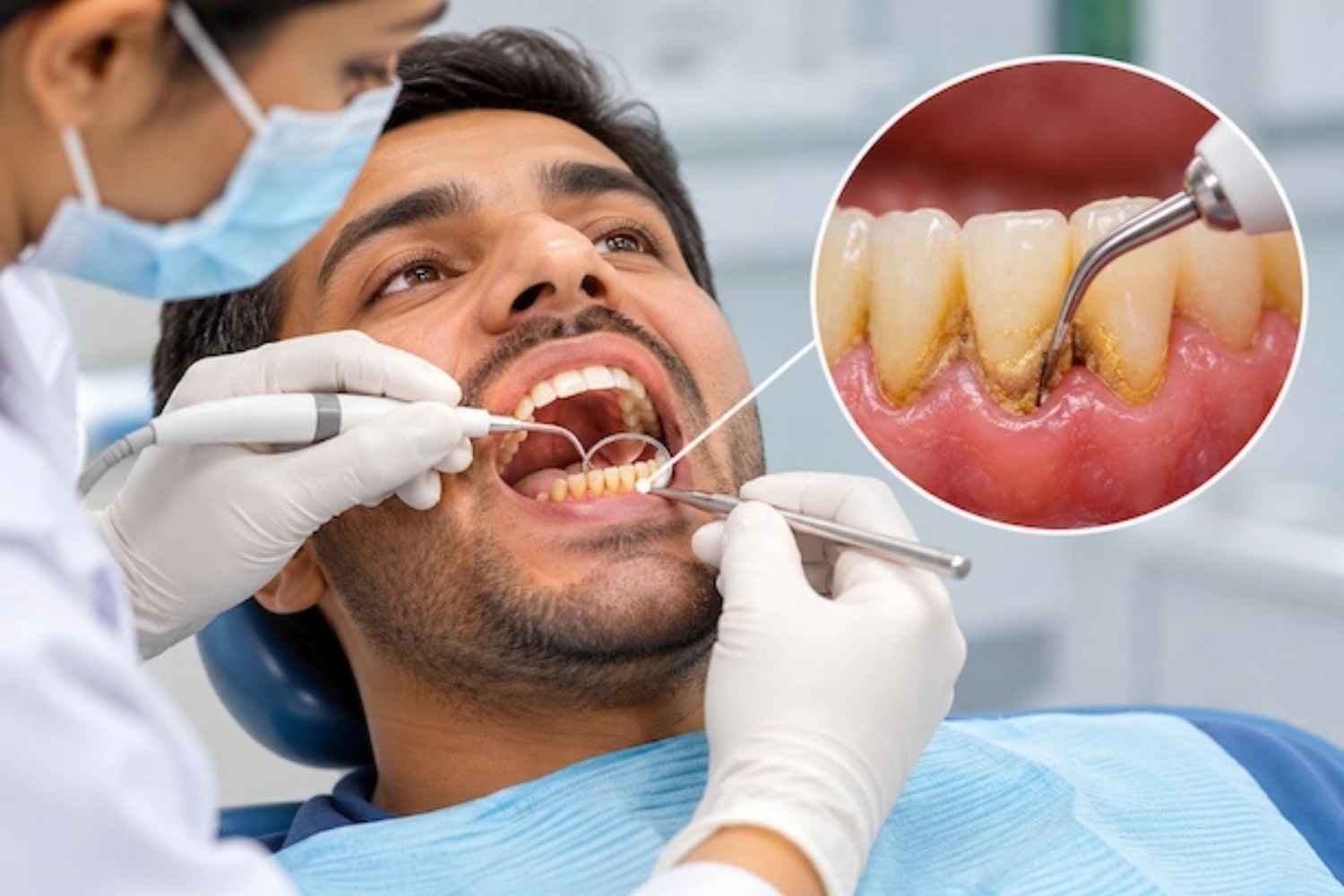
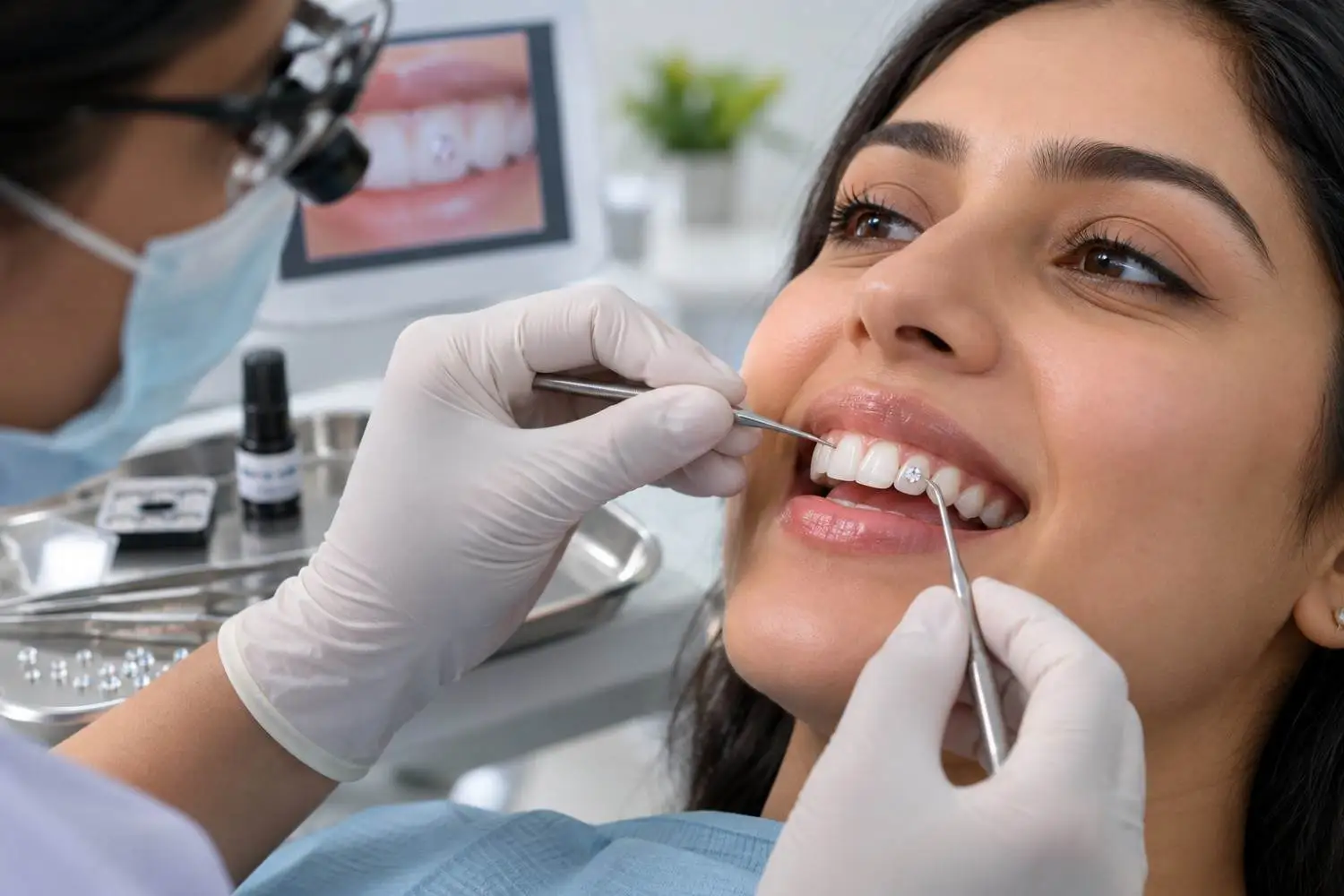
Tartar removal is called scaling. Your dentist or hygienist uses an ultrasonic scaler, which breaks up deposits with vibrations and a fine water spray. Hand instruments are then used to clear the remaining tartar. After that, polishing smooths the tooth surface, which makes it harder for plaque to stick.

If tartar has moved below the gumline and gum disease has started, you may need a deep cleaning, called scaling and root planing. This cleans the tooth roots and smooths them so the gums can heal. Local anesthesia is often used for comfort.

These procedures are routine and are usually well tolerated. Some mild gum tenderness or tooth sensitivity for a few days afterward is common.

How to Prevent Tartar?

You cannot remove tartar at home, but you can stop plaque from turning into tartar:

  • Brush twice a day for two minutes with fluoride toothpaste.
  • Clean between your teeth every day with floss or interdental brushes.
  • Limit sugary snacks and drinks.
  • Avoid tobacco in all forms.
  • Visit your dentist for a cleaning every six months, or as often as they advise. People who build tartar quickly may need more frequent visits.

Healthy Gums Start With a Professional Cleaning

Brushing and flossing control plaque, but they cannot remove tartar once it has hardened. Only a professional dental cleaning can do that safely. If it has been more than six months since your last visit, or you notice rough deposits, bleeding gums, or bad breath, book a checkup and scaling appointment. Early care protects your gums, your teeth, and your smile.

Struggling with tartar buildup? Let our team help.

We remove tartar safely with professional teeth cleaning and polishing, so your gums stay healthy and your smile stays fresh. Contact us or call +91-8850992611 to schedule your visit.

Popular Posts

Share Blog post :

Share Blog post :

Authors:

Dr. Aditi Jain Gandhi

MDS Prosthodontist & Oral Implantologist

Dr. Kushal N. Gandhi

MDS Prosthodontist & Oral Implantologist

Leave A Comment

Your email address will not be published. Required fields are marked *