
Losing all your natural teeth can feel overwhelming, but modern complete dentures offer an effective way to restore your smile, improve chewing ability, and regain confidence. While dentures can dramatically improve your quality of life, it’s important to understand that adjusting to them takes time.
Many first-time denture wearers wonder what life will be like after treatment. Will eating feel normal again? Will speaking be difficult? How long does it take to adjust?
The good news is that most patients adapt well with patience, proper care, and regular follow-up visits. Here’s what you can expect after getting complete dentures.
What Are Complete Dentures?
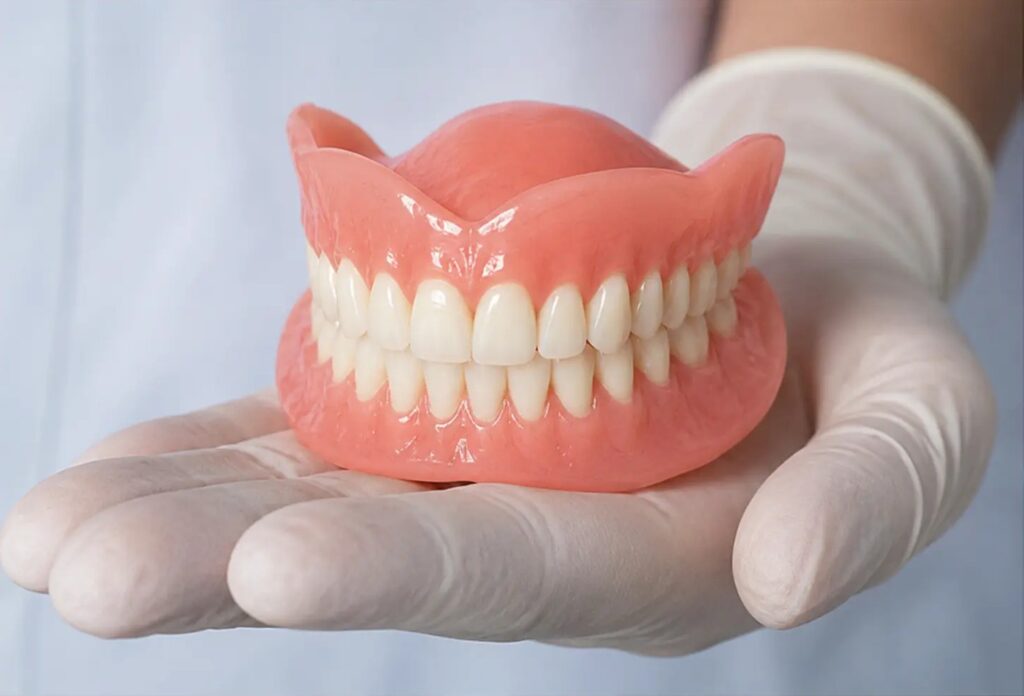
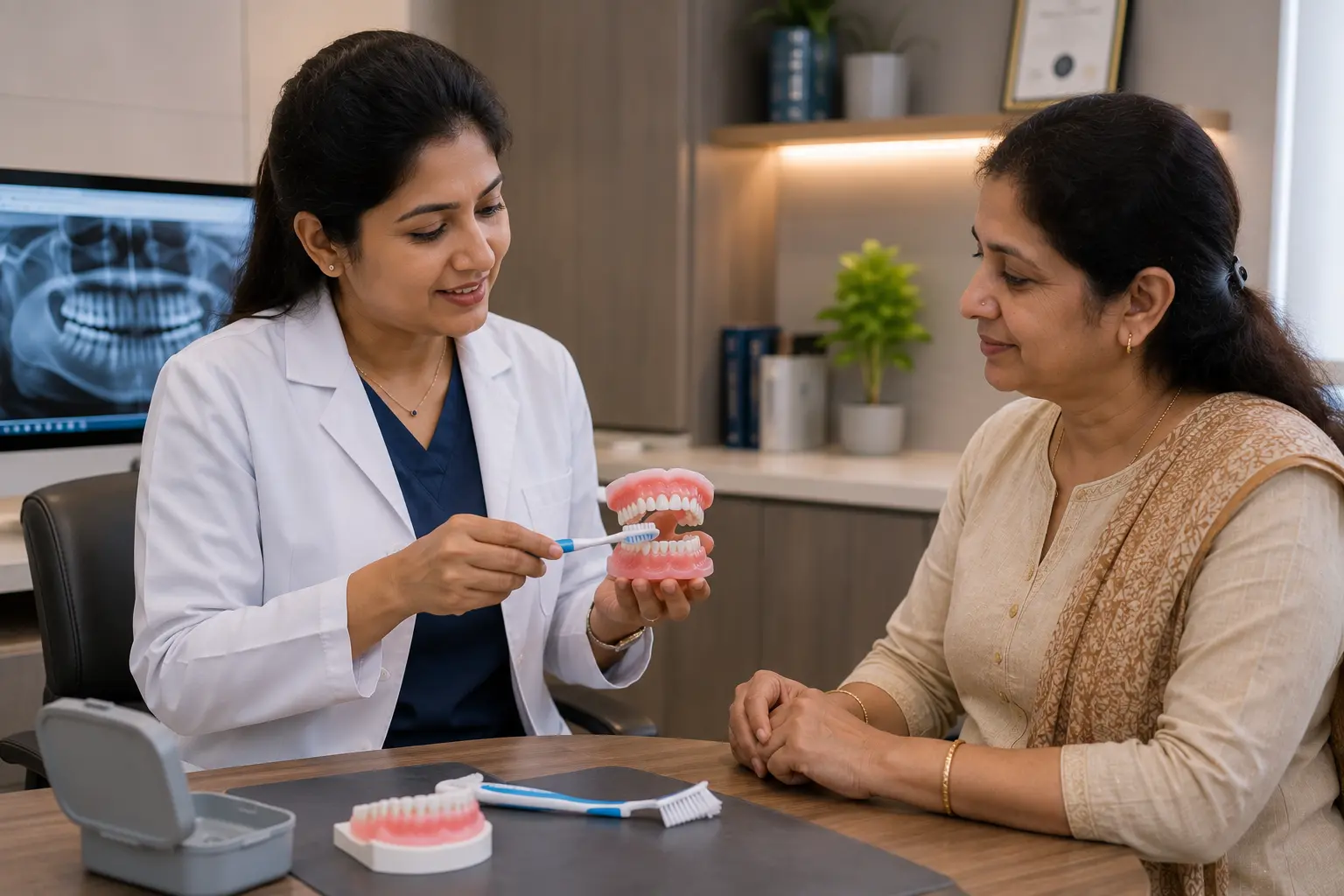
Complete dentures are removable prosthetic appliances designed to replace all the teeth in either the upper jaw, lower jaw, or both. They are custom-made to fit comfortably over your gums and restore the appearance and function of your smile.
Today’s dentures are far more natural-looking, lightweight, and comfortable than those available years ago. They are carefully designed to match your facial features and provide a confident, natural-looking smile.
The First Few Days: The Adjustment Period
The first few days after receiving your dentures are often the most challenging. Your mouth, cheeks, tongue, and jaw muscles need time to adapt to the new appliance.
During this period, you may notice:
- A feeling of fullness in your mouth
- Mild soreness or pressure spots
- Increased saliva production
- Minor difficulty speaking
- Slight discomfort while chewing
These reactions are completely normal and usually improve as your mouth adjusts.
Eating with Complete Dentures
One of the biggest concerns for new denture wearers is eating. While chewing may feel different initially, most patients gradually regain confidence with practice.
To make the transition easier, start with soft foods like yogurt, mashed potatoes, soups, and scrambled eggs, cut food into smaller pieces, chew slowly using both sides of your mouth at the same time to keep the dentures balanced, avoid very sticky, hard, or chewy foods during the first few weeks.
As you become more comfortable, you can slowly introduce a wider variety of foods into your diet.
Speaking May Feel Different at First
Some patients notice slight changes in speech immediately after receiving dentures. Certain words or sounds may seem difficult to pronounce because your tongue is adjusting to the new shape inside your mouth.
The best way to improve is through practice. Reading aloud, speaking slowly, and repeating challenging words can help your tongue adapt more quickly.
For most patients, speech returns to normal within a few weeks.
Mild Soreness Is Normal
It’s common to experience minor sore spots during the initial adjustment period. As your gums adapt to the dentures, certain areas may experience more pressure than others.
Avoid trying to adjust the dentures yourself. Instead, visit your dentist for minor adjustments to improve comfort and fit.
Several adjustment appointments are often part of the normal denture process.
Learning to Smile with Confidence Again
Many patients initially feel self-conscious about wearing dentures. However, once they become accustomed to their new smile, their confidence often improves dramatically.
Modern complete dentures are designed to restore facial support, improve lip shape, enhance facial appearance, replace missing teeth naturally.
Many patients report smiling more often after treatment than they did before.
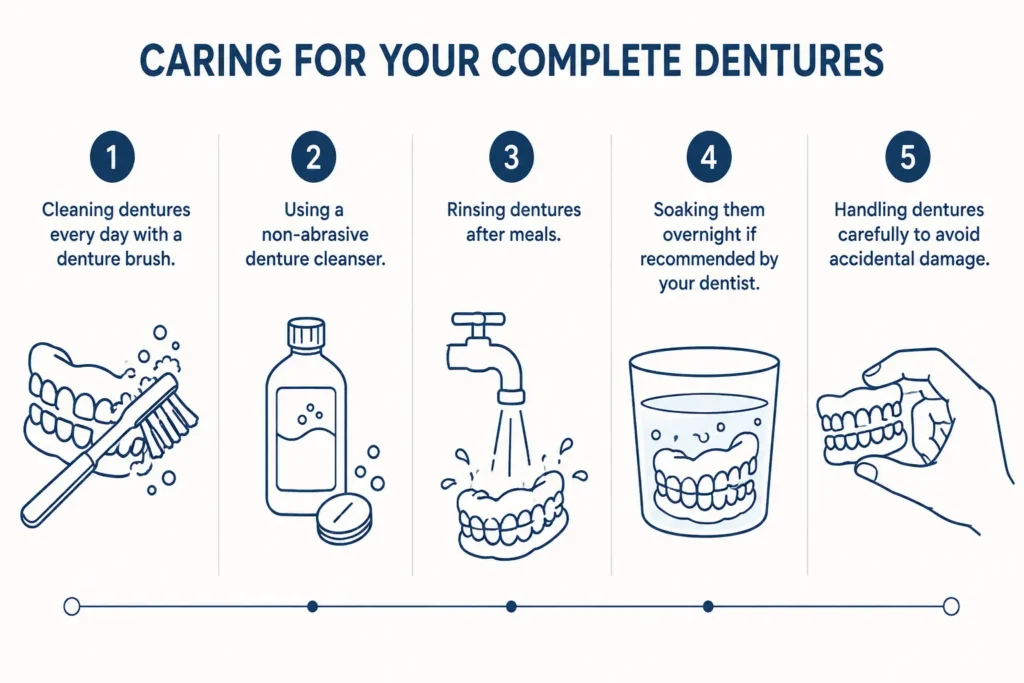
Caring for Your Complete Dentures
Proper denture care is essential for maintaining both oral health and the lifespan of your dentures.
Don’t Forget Your Gums
Even though dentures replace your teeth, your gums still require regular care.
Gently clean your gums, tongue, and the roof of your mouth with a soft toothbrush or damp cloth every day. This improves circulation and helps maintain healthy oral tissues.
Healthy gums provide better support for your dentures.
Regular Dental Checkups Still Matter
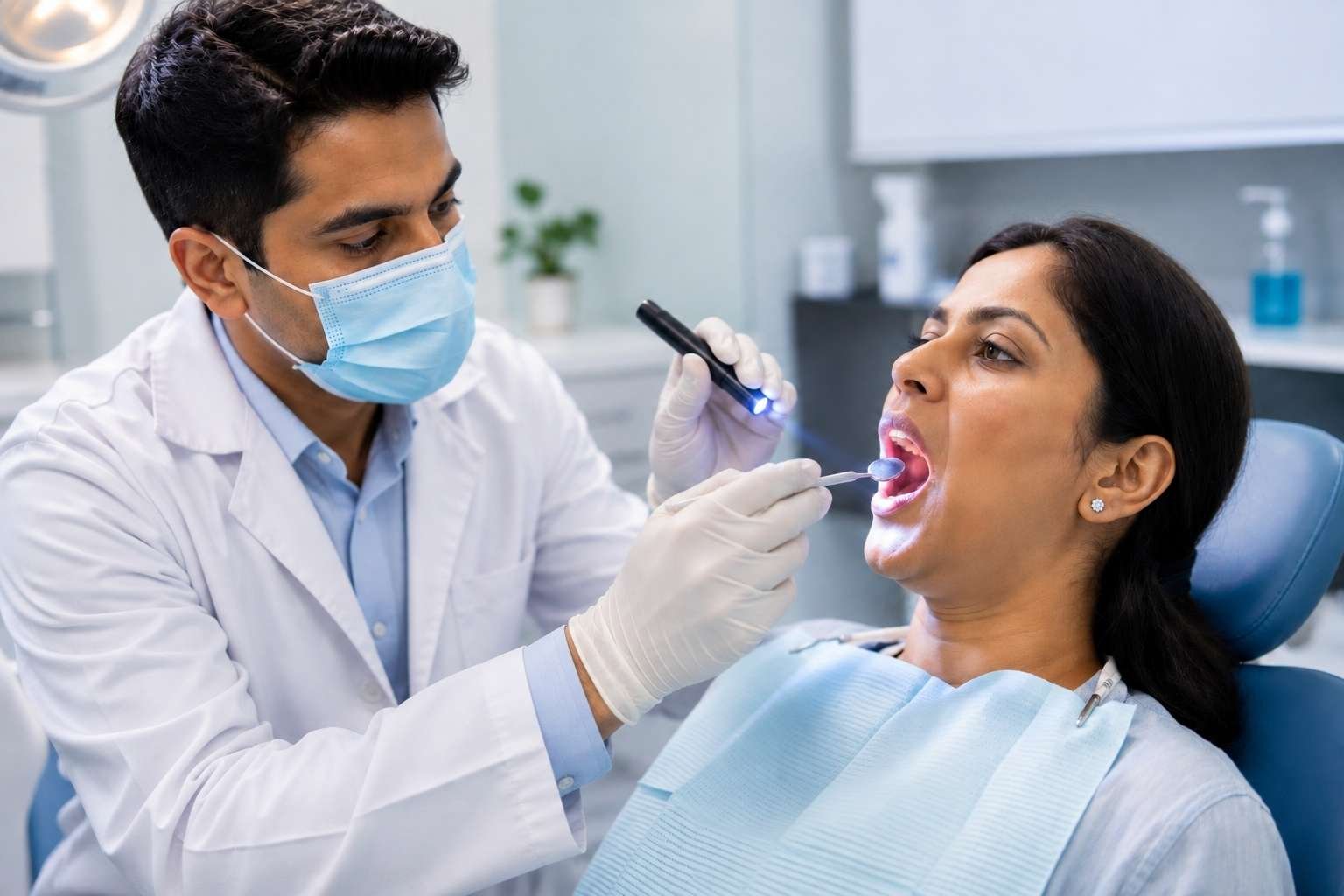
Some people believe they no longer need dental visits after getting dentures. In reality, regular checkups remain extremely important.
During these visits, your dentist will:
- Check denture fit
- Examine your gums
- Look for pressure sores
- Screen for oral diseases
- Recommend adjustments if necessary
Your mouth naturally changes over time, and dentures may need periodic relining or replacement to maintain a proper fit.
When Should Dentures Be Replaced?
Complete dentures do not last forever. Over the years, natural changes in your jawbone and gums can affect how dentures fit.
Most dentures need replacement or significant adjustment approximately every 5 to 10 years, depending on wear and changes in oral anatomy.
If your dentures become loose, uncomfortable, or difficult to use, schedule a dental evaluation rather than trying to manage the problem yourself.
Tips for a Smoother Transition
Adapting to dentures becomes easier when you:
- Wear them consistently as instructed.
- Practice speaking every day.
- Eat softer foods initially.
- Follow your dentist’s cleaning recommendations.
- Attend all follow-up appointments.
- Be patient with yourself during the adjustment period.
Most patients find that what initially feels unusual eventually becomes completely natural.
Could Dental Implants Be an Option?
Some patients who wear complete dentures later choose implant-supported dentures for added stability.
Dental implants help secure dentures firmly in place, reducing movement while eating and speaking. They also help preserve jawbone health and improve long-term comfort.
Your dentist can discuss whether implant-supported dentures are suitable for your needs.
Final Thoughts
Adjusting to complete dentures is a journey, but it’s one that can significantly improve your quality of life. While the first few weeks require patience and practice, most patients adapt successfully and enjoy the benefits of restored function, improved appearance, and renewed confidence.
By following your dentist’s instructions, maintaining good oral hygiene, and attending regular dental checkups, your dentures can provide years of comfortable and reliable service.
A confident smile is about more than appearance. It’s about enjoying meals, speaking comfortably, and feeling good every day.
Frequently Asked Questions
1. How long does it take to get used to complete dentures?
Most people adapt within 2 to 6 weeks, although complete adjustment can take a few months depending on the individual.
2. Will dentures affect my speech?
Initially, yes. However, with regular practice, most patients regain normal speech within a few weeks.
3. Can I eat normally with complete dentures?
Yes. Start with soft foods and gradually return to a normal diet as your confidence and chewing ability improve.
4. Should I sleep with my dentures?
Most dentists recommend removing dentures at night to allow your gums to rest and to keep the dentures clean.
5. How often should dentures be replaced?
Most complete dentures last between 5 and 10 years, although periodic adjustments or relining may be needed sooner.
6. Are implant-supported dentures better than traditional dentures?
Implant-supported dentures provide greater stability and chewing efficiency for suitable candidates, but the best option depends on your oral health, bone condition, and treatment goals.