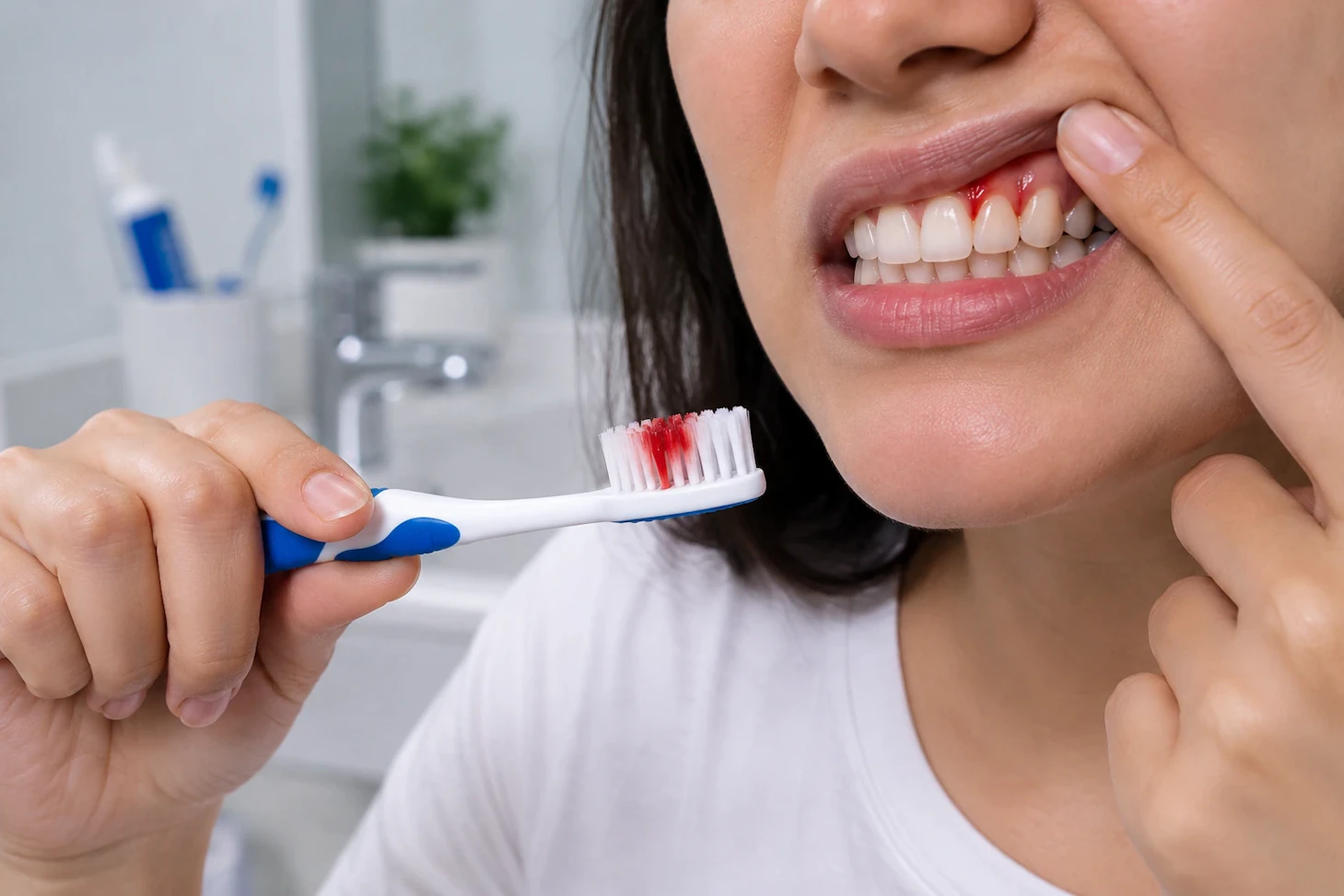


Brushing your teeth twice a day is one of the most important habits for maintaining good oral health. However, many people are surprised to notice their teeth becoming yellow despite following this routine consistently. If you’ve been asking yourself, “Why are my teeth turning yellow even though I brush daily?” you’re not alone.
The truth is that brushing removes plaque, food debris, and bacteria, but it cannot always prevent or reverse every type of tooth discoloration. By the end of this article, you’ll understand why teeth become yellow, how dentists identify the underlying cause, which treatments actually work, and what you can realistically do to keep your smile brighter over the long term.
Understanding the Problem: Why Teeth Turn Yellow Despite Daily Brushing
Yellow teeth are not always a sign of poor oral hygiene. Dentists frequently see patients with healthy brushing habits whose teeth still appear darker over time.
The reason lies in the structure of a tooth.
The outer layer, called enamel, is the hard white protective coating. Beneath it is dentin, a naturally yellow layer that becomes more visible as enamel gradually wears down. Brushing keeps enamel clean, but it cannot rebuild enamel that has become thinner with age or wear.
There are generally three types of discoloration:
- Extrinsic stains: Surface stains caused by coffee, tea, tobacco, wine, and certain foods.
- Intrinsic stains: Stains inside the tooth caused by aging, medications, trauma, or excessive fluoride exposure during childhood.
- Age-related discoloration: A combination of enamel thinning and darker dentin becoming more noticeable.
A common misconception is that brushing harder will make teeth whiter. In reality, aggressive brushing may wear away enamel faster, making teeth appear even more yellow over time.
Recognizing the Signs: What Your Tooth Color May Be Telling You
| What You Notice | What It Could Mean | Common Causes |
|---|---|---|
| Surface Yellow Stains | Yellow stains that develop gradually, usually on the front teeth | Coffee, tea, smoking or chewing tobacco, red wine, colored soft drinks, curry, turmeric, and other dark-colored foods |
| Overall Yellow Appearance | All teeth appear evenly yellow | Natural aging, enamel thinning, acidic foods and drinks, teeth grinding, or brushing too hard |
| Single Yellow or Dark Tooth | One tooth is darker or more yellow than the others | Previous tooth injury (trauma), nerve damage, or another underlying dental problem |
How Dentists Diagnose the Cause of Yellow Teeth?
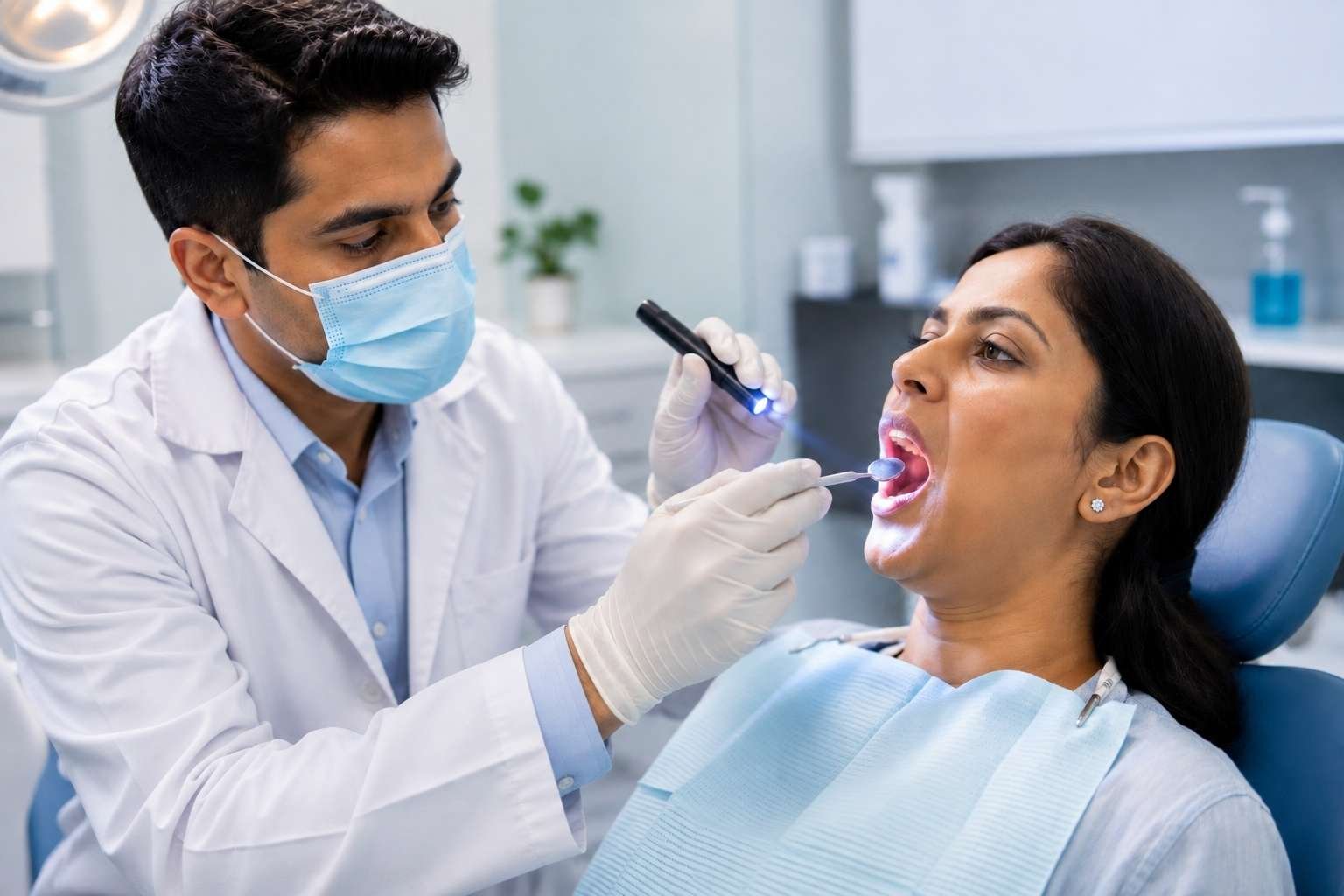
Tooth discoloration is diagnosed through a combination of clinical examination and patient history.
Your dentist may ask questions such as:
- How long have you noticed the color change?
- Do you drink coffee or tea daily?
- Do you smoke?
- Have you experienced dental trauma?
- Are you taking medications known to affect tooth color?
The examination typically includes checking:
- Plaque and tartar buildup
- Enamel thickness
- Existing restorations
- Gum health
- Tooth wear patterns
In some cases, dental X-rays may be recommended if internal discoloration or nerve damage is suspected.
One practical observation dentists often make is that patients with excellent brushing habits sometimes have significant staining simply because they sip coffee throughout the day. Frequent exposure stains teeth more than drinking one cup at a single sitting.
Once the underlying cause is identified, treatment becomes much more predictable.
Treatment Options: What Actually Works?
The best treatment depends entirely on why your teeth are yellow.
Professional Dental Cleaning:
Professional scaling and polishing remove plaque, tartar, and surface stains.
- Best for: Surface stains, mild discoloration, smokers, and coffee or tea drinkers.
- Limitation: It removes stains but cannot change the natural color of your teeth.
Professional Teeth Whitening:
Professional teeth whitening uses dental-grade whitening gels to lighten both surface and deep stains.
- Best for: Intrinsic and extrinsic stains.
- Limitation: It may cause temporary sensitivity and does not whiten crowns, veneers, or fillings.
At-Home Whitening Kits
Dentist-prescribed whitening trays gradually brighten teeth over several weeks.
- Best for: Mild to moderate stains and long-term maintenance.
- Limitation: Results take longer than professional whitening.
Dental Veneers
Dental veneers are thin porcelain shells that improve the color and appearance of teeth.
- Best for: Severe or permanent stains that do not respond to whitening.
- Limitation: They are more expensive, require slight enamel removal, and are not reversible.
Dental Bonding
Dental bonding uses a tooth-colored resin to improve the appearance of stained or damaged teeth.
- Best for: Small stained areas and minor cosmetic concerns.
- Limitation: It is less stain-resistant and may not last as long as porcelain veneers.
Recovery and What to Expect After Treatment
Recovery is usually straightforward.
After professional cleaning:
- Mild gum sensitivity may last for a day.
- Teeth immediately feel smoother.
After whitening:
- Temporary sensitivity to cold drinks is common.
- White spots may appear initially but usually blend within 24 to 48 hours.
- Avoid coffee, tea, wine, tobacco, and dark-colored foods for at least 48 hours.
Patients who carefully follow post-whitening instructions often maintain their results significantly longer than those who immediately resume staining habits.
Frequently Asked Questions
Why are my teeth yellow even though I brush every day?
Brushing removes plaque and food debris but cannot reverse enamel thinning or remove stains that develop inside the tooth.
Can yellow teeth become white again?
Many cases improve with professional cleaning or whitening. However, severe intrinsic discoloration may require veneers or bonding for cosmetic improvement.
Does coffee permanently stain teeth?
Not usually. Most coffee stains affect the surface and respond well to professional cleaning or whitening if treated early.
Is yellow tooth color always unhealthy?
No. Naturally yellow teeth can still be completely healthy. Tooth color alone does not indicate cavities or gum disease.
When should I see a dentist about yellow teeth?
If discoloration develops suddenly, affects only one tooth, is accompanied by pain, or does not improve after professional cleaning, a dental examination is recommended to rule out underlying problems.
A Brighter Smile Starts with Understanding the Cause
Seeing yellow teeth despite brushing every day can be frustrating, but it does not necessarily mean your oral hygiene routine is failing. Tooth color is influenced by many factors beyond brushing, including enamel thickness, dietary habits, age, genetics, and certain medical or dental conditions. Understanding the reason behind the discoloration is the first step toward choosing the most effective solution.
Concerned About Yellow Teeth?
If your teeth are becoming yellow despite brushing every day, a professional dental examination can help identify the cause and recommend the right treatment. Whether you need a simple cleaning, teeth whitening, or another solution, early advice can help you achieve a healthier, brighter smile.