What Happens If You Delay a Root Canal Treatment Too Long

Many people postpone dental treatment hoping the pain will eventually disappear on its own. This is especially common with root canal treatment. Since the procedure is often associated with fear or anxiety, patients tend to ignore the symptoms until the pain becomes unbearable. However, delaying a root canal treatment can lead to serious oral health complications that become more difficult and expensive to treat over time.

A root canal is designed to save a damaged or infected tooth. When treatment is delayed, the infection continues spreading deeper into the tooth and surrounding tissues. Understanding what happens when a root canal is postponed can help you make informed decisions and protect your long-term oral health.

Why Is a Root Canal Needed?

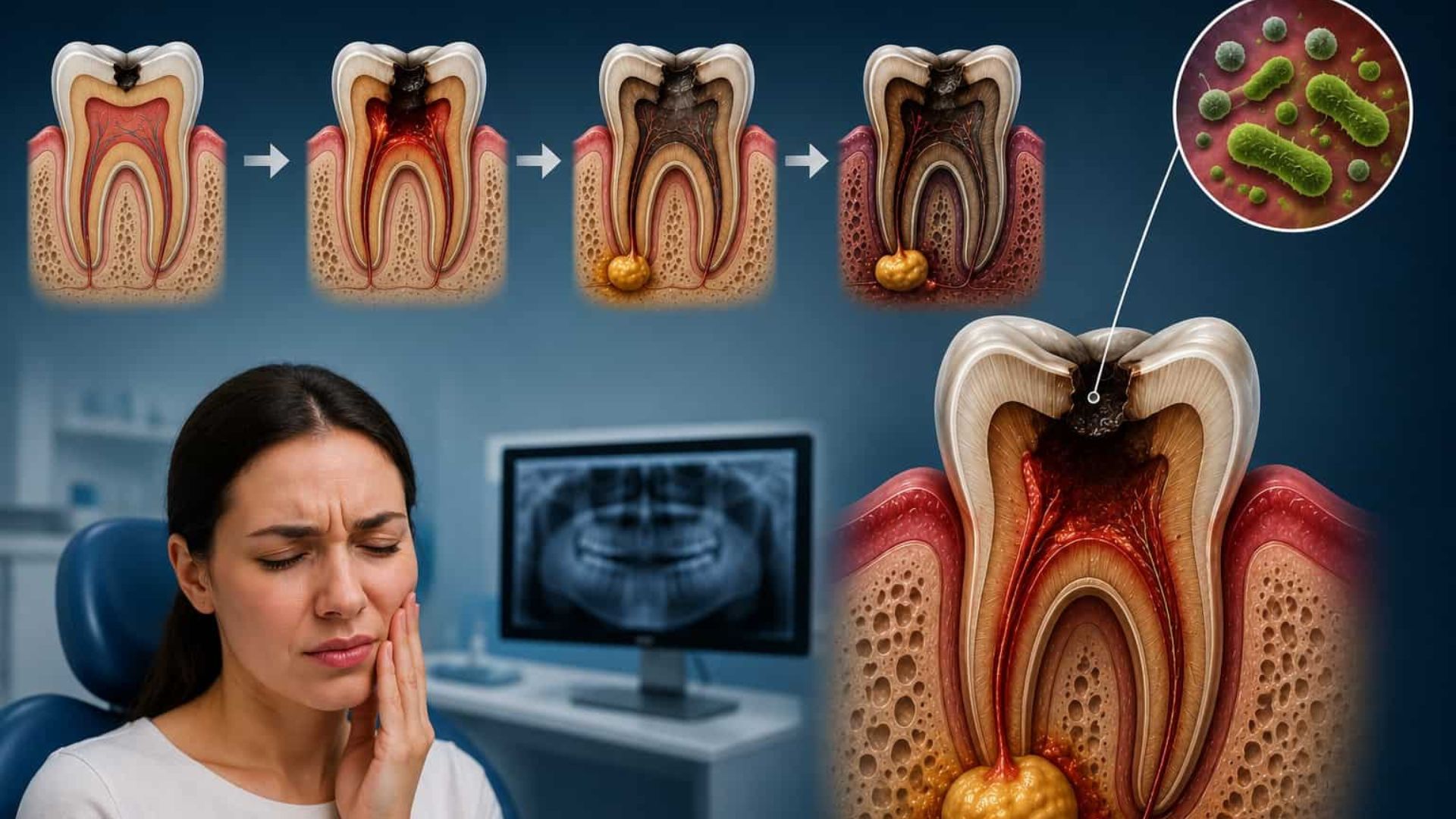
Inside every tooth is a soft tissue called the pulp, which contains nerves and blood vessels. When this pulp becomes infected due to deep decay, cracks, trauma, or repeated dental procedures, it causes inflammation and pain.

A root canal treatment removes the infected pulp, cleans the inside of the tooth, and seals it to prevent further infection. The goal is to save the natural tooth and restore its normal function.

Without treatment, the infection does not heal on its own.

The Pain Usually Gets Worse, Not Better

One of the first signs of needing a root canal is persistent tooth pain. At first, the discomfort may come and go, which often leads people to believe the issue is temporary.

However, when the infection progresses, the pain usually becomes:

  • More frequent
  • More intense
  • Triggered by hot or cold foods
  • Painful while chewing or biting

In some cases, the pain may suddenly stop altogether. While this may seem like a good sign, it often means the nerve inside the tooth has died completely. Unfortunately, the infection usually continues spreading silently beneath the surface.

The Infection Can Spread Beyond the Tooth

A delayed root canal allows bacteria to spread beyond the inner tooth structure into the surrounding gums and jawbone. As the infection progresses, it can cause swelling around the affected tooth, gum boils, pus formation, facial swelling, and even jawbone infection. 

Once the infection moves outside the tooth, treatment becomes far more complicated and may require additional procedures. In severe cases, the infection can spread to nearby tissues and begin affecting overall health as well. 

Increased Risk of Dental Abscess

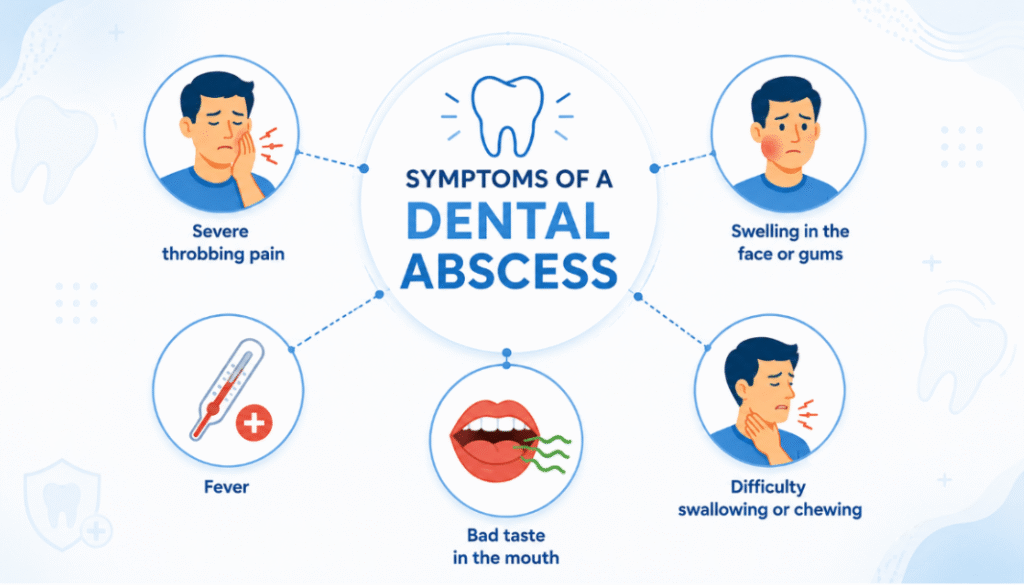
One of the most serious consequences of delaying a root canal is the development of a dental abscess. An abscess is a pocket of pus caused by bacterial infection.
risk-of-dental-abscess

A dental abscess is considered a dental emergency and requires immediate treatment.

You May Eventually Lose the Tooth

Root canal treatment is often the final opportunity to save a natural tooth affected by deep infection or damage. If the infection is left untreated for an extended period, it can severely damage the tooth structure as well as the surrounding bone, making the tooth impossible to restore. In such cases, tooth extraction may become the only remaining treatment option. 

Losing a tooth can lead to several additional oral health problems, including difficulty chewing, shifting of nearby teeth, bone loss in the jaw, and even changes in facial appearance over time. Replacing a missing tooth with dental implants or bridges is generally more expensive, time-consuming, and complex compared to treating the infection early with a root canal procedure.

Delaying Treatment Often Increases Costs

Many people postpone root canal treatment because they are concerned about the cost. However, delaying treatment often leads to much higher expenses in the future. 

An untreated infection can worsen over time and may eventually require emergency dental visits, tooth extraction, dental implants or bridges, bone grafting procedures, and additional medications. 

Treating the problem early is usually much simpler, less invasive, and far more cost-effective in the long run. 

The Infection Can Affect Overall Health

Oral infections do not always remain isolated to the mouth. Bacteria from untreated dental infections can enter the bloodstream and contribute to inflammation throughout the body.

Research has linked poor oral health and chronic dental infections to conditions such as:

  • Heart disease
  • Diabetes complications
  • Respiratory infections

Taking care of oral infections promptly supports both dental and overall health.

Some Frequently Asked Questions (FAQs) for Root Canal Treatment

1. How do I know if I need a root canal treatment?

Common signs include persistent tooth pain, sensitivity to hot or cold foods, swelling around the gums, pain while chewing, and darkening of the tooth. A dental examination and X-ray can confirm whether a root canal is needed.

2. Is root canal treatment painful?

Modern root canal treatment is usually no more uncomfortable than getting a dental filling. With advanced anesthesia and technology, the procedure is designed to relieve pain caused by infection, not create it.

3. What happens if I ignore a tooth infection?

Ignoring a tooth infection can allow bacteria to spread into the gums, jawbone, and surrounding tissues. This may lead to severe pain, swelling, abscess formation, and even tooth loss.

4. Can antibiotics cure the infection instead of a root canal?

Antibiotics may temporarily reduce symptoms, but they usually cannot completely remove infection inside the tooth. A root canal is often necessary to clean and seal the infected area properly.

5. Can a tooth still be saved after severe infection?

In many cases, yes. However, early treatment provides the best chance of saving the natural tooth. If the infection becomes too advanced, extraction may become necessary.

6. How long does a root canal treated tooth last?

With proper care, regular dental checkups, and good oral hygiene, a root canal treated tooth can last for many years or even a lifetime.

Final Thoughts

Delaying a root canal treatment may seem harmless at first, especially if the pain comes and goes. However, untreated tooth infections rarely improve on their own. Instead, they usually worsen over time, leading to severe pain, abscesses, bone damage, and even tooth loss.

A root canal is not something to fear. It is a procedure designed to eliminate infection, relieve discomfort, and preserve your natural tooth. Seeking treatment early can save you from more complex procedures, higher costs, and unnecessary pain later.

Protecting your oral health starts with acting early rather than waiting for the problem to become unavoidable.
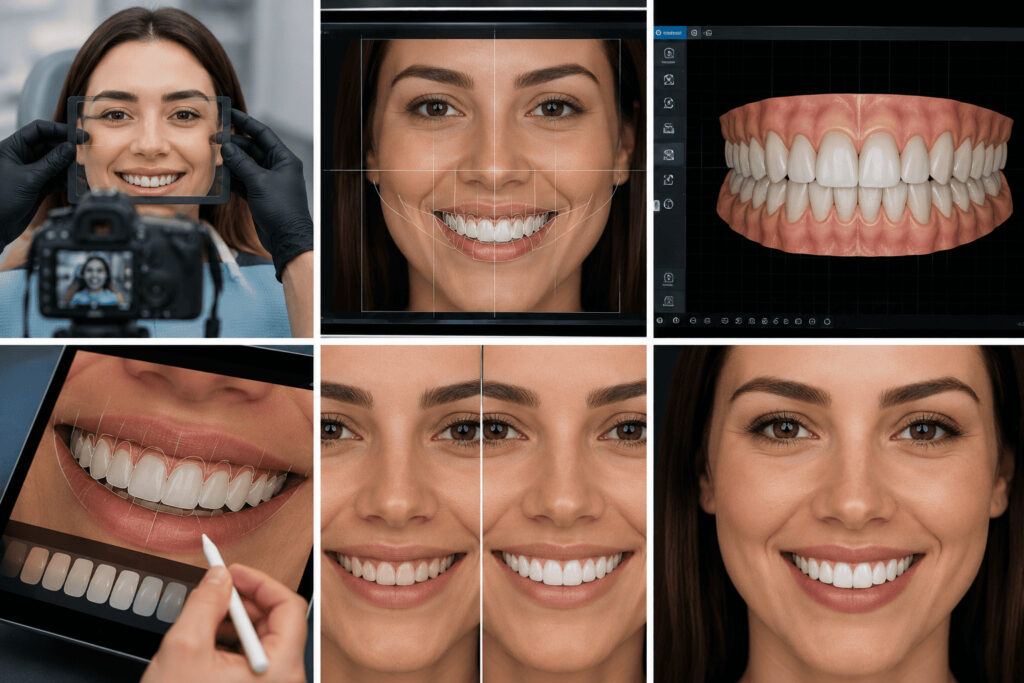
digital-smile-planning

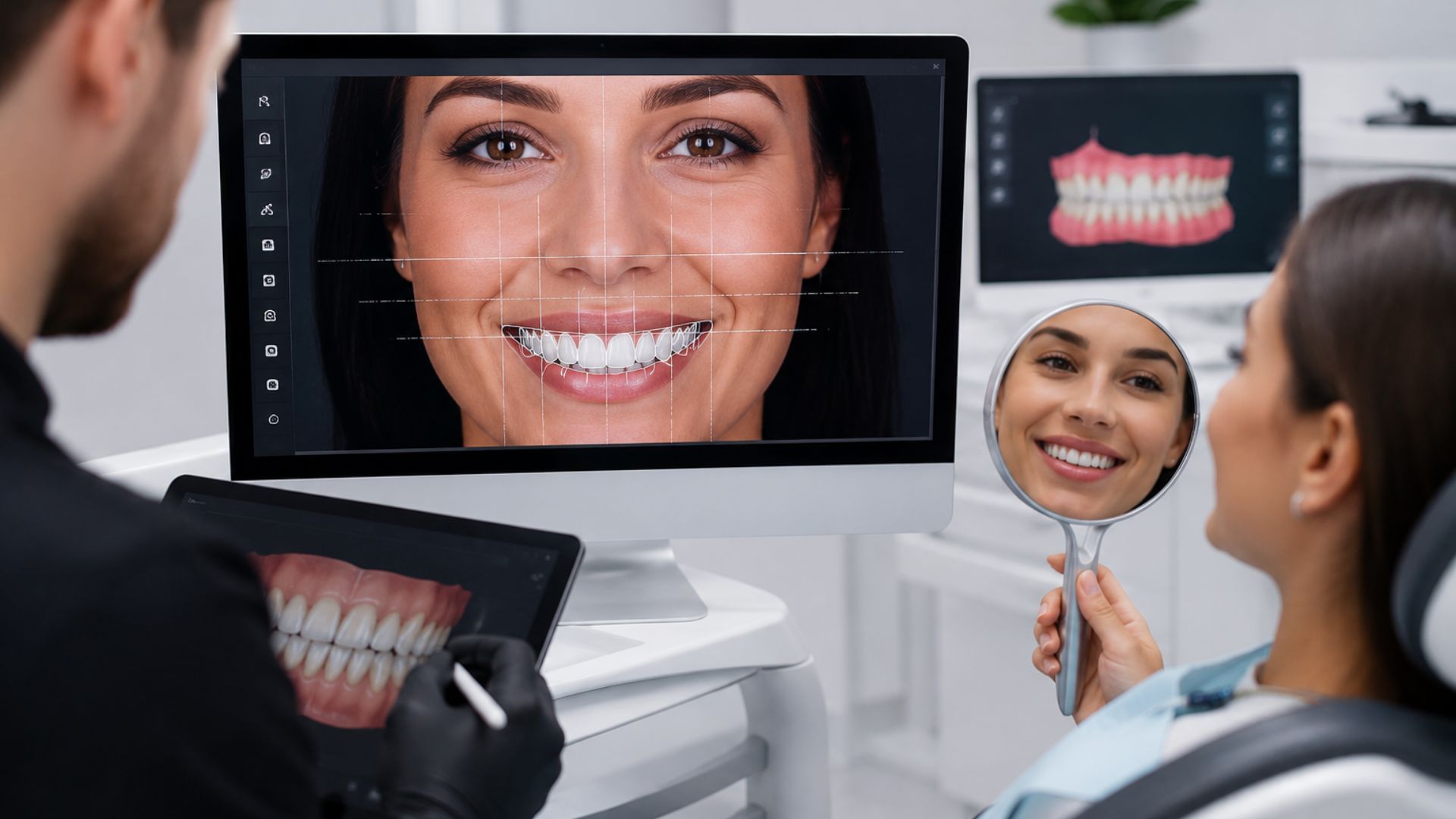
Modern dentistry is no longer just about treating dental problems. Today, it is also about precision, personalization, and helping patients visualize their results before treatment even begins. One of the biggest advancements in cosmetic and restorative dentistry is Digital Smile Planning, a technology-driven approach that allows patients to preview their future smile before any procedure starts.

Whether you are considering veneers, aligners, crowns, implants, or a complete smile makeover, digital smile planning helps create a treatment plan that is accurate, customized, and designed specifically for your facial features and smile goals.

What Is Digital Smile Planning?

Digital Smile Planning, also known as Digital Smile Design (DSD), is a modern dental technology that uses digital photographs, videos, facial analysis, and 3D scans to design a patient’s ideal smile before treatment begins.

Instead of imagining how your smile might look after treatment, digital planning allows you to actually see a visual preview of the expected results. This helps dentists and patients work together to create a smile that looks natural, balanced, and suited to the individual’s face.

How Does Digital Smile Planning Work?

The process begins with collecting detailed digital records of the patient’s teeth, gums, bite, and facial structure.

These records usually include:

  • High-resolution photographs
  • Digital dental scans
  • Videos of facial expressions and speech
  • Bite analysis
  • Smile measurements

Advanced software is then used to analyze the relationship between the teeth, lips, gums, and overall facial symmetry. Based on this information, the dentist digitally designs the ideal smile.

Patients can then preview the proposed changes before treatment starts, making the process more predictable and transparent.

process-of-digital-smile-planning

Why Digital Smile Planning Is Important?

Traditional smile makeover planning often relied heavily on imagination and verbal explanations. While experienced dentists could create beautiful results, patients sometimes struggled to visualize the final outcome.

Digital smile planning changes this completely by giving patients a clear understanding of:

  • How their smile will look
  • What changes are being made
  • The shape and size of the teeth
  • The expected alignment and symmetry

This improves communication between the patient and dentist and helps ensure everyone is working toward the same aesthetic goals.

Benefits of Digital Smile Planning

Personalized Smile Design

Every face is unique, and the ideal smile should complement a person’s facial features. Digital smile planning helps customize tooth shape, size, alignment, and proportions according to the patient’s face, lips, and smile line.

This creates a more natural and harmonious result.

Better Accuracy and Precision

Digital technology allows dentists to make highly accurate measurements and treatment decisions. This improves the precision of cosmetic and restorative procedures such as veneers, crowns, implants, and aligners.

Greater accuracy often means fewer adjustments later.

Increased Patient Confidence

One of the biggest advantages of digital smile planning is patient confidence. Many people feel nervous about cosmetic dental procedures because they are unsure about the final results.

Being able to preview the smile beforehand reduces uncertainty and helps patients feel more comfortable moving forward with treatment.

Improved Treatment Planning

Digital planning also helps dentists identify functional and structural concerns before treatment begins. Bite alignment, tooth spacing, gum symmetry, and jaw positioning can all be evaluated digitally.

This leads to a treatment plan that improves both appearance and function.

Predictable Results

Because the smile is planned digitally in advance, the final outcome becomes more predictable. This reduces surprises and improves patient satisfaction.

Treatments That Use Digital Smile Planning

Digital smile planning can be used for many cosmetic and restorative dental procedures, including:

  • Veneers and laminates
  • Teeth whitening
  • Dental crowns and bridges
  • Clear aligners and orthodontics
  • Dental implants
  • Full mouth rehabilitation
  • Smile makeovers

It is especially useful for patients undergoing multiple treatments as part of a complete smile transformation.

Digital Smile Planning for Dental Implants

Digital planning is particularly valuable in implant dentistry. Implant placement requires precise positioning for both function and aesthetics.

Using digital scans and 3D imaging, dentists can determine the ideal implant angle, size, and placement before surgery begins. This improves long-term stability and creates more natural-looking results.

Is Digital Smile Planning Only for Cosmetic Dentistry?

No. Although it is widely used in cosmetic dentistry, digital planning also plays a major role in restorative and functional treatments.

Patients with worn teeth, bite problems, missing teeth, or jaw alignment issues can benefit from digital treatment planning to improve both appearance and oral function.

Does Digital Smile Planning Save Time?

Yes, in many cases it does. Since treatments are carefully planned beforehand, procedures often become more efficient and require fewer corrections later.

This improves workflow for both the dentist and patient while helping achieve smoother treatment outcomes.

Why Do Patients Prefer Digital Smile Planning?

Patients today want greater involvement in their dental treatment decisions. Digital smile planning creates a collaborative experience where patients can actively participate in designing their new smile.

Instead of feeling uncertain, patients feel informed, involved, and reassured throughout the process.

Is Digital Smile Planning Safe?

Digital smile planning is completely safe and non-invasive. It mainly involves digital imaging, photography, and scanning technologies that help improve treatment accuracy.

There is no discomfort involved during the planning stage.

Some Frequently Asked Questions (FAQs) regarding Digital Smile Planning

1. Which treatments use digital smile planning?

It is commonly used for veneers, implants, crowns, aligners, smile makeovers, and full mouth rehabilitation.

2. Is digital smile planning accurate?

Yes. Digital planning improves precision and allows dentists to create more predictable and customized treatment outcomes.

3. Is digital smile planning only for cosmetic dentistry?

No. It is also used for restorative and functional treatments such as dental implants and full mouth rehabilitation.

4. Does digital smile planning make treatment faster?

In many cases, yes. Better planning often reduces treatment adjustments and improves overall efficiency.

Final Thoughts

Digital smile planning has transformed the way modern dentistry approaches smile makeovers and restorative care. By allowing patients to preview their future smile before treatment starts, it improves confidence, communication, and treatment precision.

Whether you are considering veneers, implants, aligners, or a complete smile transformation, digital smile planning helps ensure your treatment is personalized, predictable, and designed around your unique facial aesthetics.

Seeing your future smile before treatment begins not only makes the process exciting but also helps create results that look natural, balanced, and truly life-changing.

Sudden Tooth Sensitivity Causes and Quick Solutions

Sudden tooth sensitivity can be uncomfortable, unexpected, and sometimes alarming. One day everything feels normal, and the next, a sip of cold water or a bite of something sweet triggers a sharp, sudden pain. While it may seem minor at first, tooth sensitivity is often a sign that something in your oral health needs attention.

Understanding why sensitivity occurs and how to manage it quickly can help you prevent further damage and maintain strong, healthy teeth.

What Is Tooth Sensitivity?

Tooth sensitivity, also known as dentin hypersensitivity, occurs when the inner layer of the tooth (dentin) becomes exposed. This layer contains tiny tubules connected to nerve endings. When exposed to external stimuli like heat, cold, or sugar, these nerves react, causing discomfort or pain.

Sensitivity may affect one tooth or multiple teeth and can range from mild to severe depending on the underlying cause.

Common Causes of Sudden Tooth Sensitivity

Sudden sensitivity often develops due to changes in enamel or gum health. Here are the most common causes:

1. Enamel Wear

The enamel protects your teeth from external triggers. When it wears down due to aggressive brushing, acidic foods, or grinding, the underlying dentin becomes exposed, leading to sensitivity.

2. Gum Recession

When gums recede, they expose the root surfaces of the teeth, which do not have enamel protection. This makes teeth more sensitive to temperature changes and certain foods.

3. Tooth Decay or Cavities

Cavities can create openings in the enamel, allowing external stimuli to reach the inner layers of the tooth. This often causes sensitivity, especially when eating sweets or hot foods.

4. Teeth Grinding (Bruxism)

Grinding your teeth, especially at night, gradually wears down enamel and can cause micro-cracks in teeth. This increases sensitivity over time.

5. Recent Dental Treatments

Procedures like teeth whitening, fillings, or cleaning can temporarily make teeth more sensitive. This type of sensitivity usually subsides within a few days.

6. Cracked or Damaged Teeth

A small crack may expose deeper layers of the tooth, leading to sudden pain when chewing or consuming hot or cold foods.

7. Acidic Diet

Frequent consumption of acidic foods and drinks such as citrus fruits, soda, and vinegar can erode enamel and increase sensitivity.

Quick Solutions for Immediate Relief

If you are experiencing sudden tooth sensitivity, there are several ways to manage it quickly.

Use Desensitizing Toothpaste

Special toothpaste designed for sensitive teeth helps block the pathways to the nerves. Regular use can significantly reduce sensitivity over time.

Avoid Trigger Foods

Limit hot, cold, sugary, or acidic foods until the sensitivity improves. Choosing softer, neutral foods can help prevent irritation.

Switch to a Soft Toothbrush

Using a soft-bristled toothbrush and gentle brushing technique can prevent further enamel damage and reduce irritation.

Maintain Proper Oral Hygiene

Continue brushing and flossing regularly, but avoid applying too much pressure. Keeping your mouth clean helps prevent worsening of the condition.

Use Fluoride Products

Fluoride strengthens enamel and reduces sensitivity. Dentists may recommend fluoride gels or rinses for added protection.

Long-Term Treatment Options

While quick fixes provide relief, it is important to address the root cause of sensitivity.

Professional Fluoride Treatment

Dentists may apply high-concentration fluoride to strengthen enamel and reduce nerve sensitivity.

Dental Bonding

If sensitivity is caused by exposed dentin or minor damage, bonding material can be applied to cover the affected area.

Gum Treatment

For gum recession, treatments such as gum grafting may be recommended to protect exposed roots.

Night Guards for Grinding

If grinding is the cause, a custom night guard can protect your teeth from further enamel wear.

Treating Cavities or Cracks

If decay or structural damage is present, treatments such as fillings, crowns, or root canal procedures may be necessary.

When Should You See a Dentist?

While occasional sensitivity is common, you should consult a dentist if:

  • The sensitivity lasts more than a few days
  • Pain becomes severe or persistent
  • It affects your ability to eat or drink
  • You notice visible damage to your teeth
  • Sensitivity is limited to one specific tooth

Early evaluation helps prevent more serious dental problems.

How to Prevent Tooth Sensitivity

Preventing sensitivity is easier than treating it. Simple habits can make a big difference:

  • Brush gently with a soft-bristled toothbrush
  • Avoid excessive acidic foods and drinks
  • Use fluoride toothpaste regularly
  • Wear a night guard if you grind your teeth
  • Visit your dentist for regular checkups
  • Avoid overusing whitening products

Consistency in oral care is key to maintaining strong enamel and healthy gums.

Final Thoughts

Sudden tooth sensitivity may seem like a small issue, but it often signals underlying changes in your oral health. Ignoring it can lead to more serious problems such as cavities, gum disease, or tooth damage.

By identifying the cause early and taking the right steps, you can manage sensitivity effectively and protect your teeth from long-term harm. If the problem persists, seeking professional dental care is the best way to ensure lasting relief and a healthy smile.

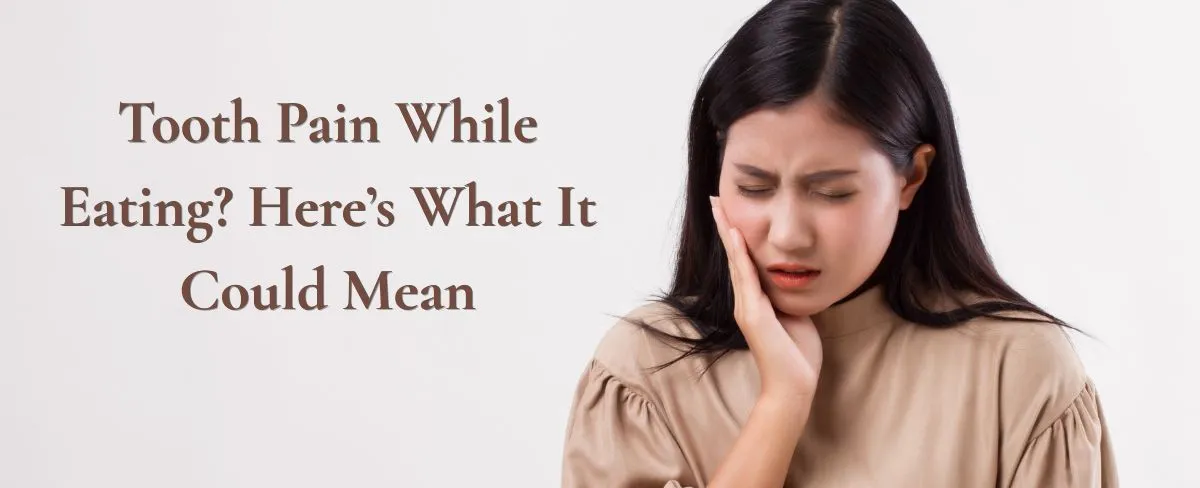
tooth-pain-while-eating-causes-treatment

Tooth pain while eating is one of the most common dental complaints, yet many people ignore it until the discomfort becomes unbearable. Whether it’s a sharp pain when biting or sensitivity when eating hot, cold, or sweet foods, this symptom is often your body’s way of signaling an underlying dental issue.

Understanding the cause of tooth pain early can help you prevent more serious problems and avoid complex treatments. Let’s explore what tooth pain while eating could mean and when you should seek professional dental care.

🔍 Why Does Tooth Pain Occur While Eating?

Eating puts pressure on your teeth and exposes them to different temperatures and textures. If your teeth are healthy, this process should feel completely normal. However, when there is damage, decay, or sensitivity, these everyday actions can trigger pain.

The type of pain you feel – sharp, dull, sudden, or lingering – often provides clues about the underlying problem.

⚠️ Common Causes of Tooth Pain While Eating
Not all mouthwashes are the same. They generally fall into two main categories: cosmetic mouthwash and therapeutic mouthwash.

1. Tooth Decay (Cavities)

One of the most common causes of pain while eating is tooth decay. Cavities create small holes in the enamel, exposing the inner layers of the tooth.

When food particles or sugary substances come into contact with these areas, they irritate the nerves, causing discomfort or sharp pain.

2. Tooth Sensitivity

If you feel a sudden sharp pain when eating hot, cold, or sweet foods, you may be experiencing tooth sensitivity. This usually occurs when enamel wears down or gums recede, exposing the dentin layer underneath.

Sensitivity can develop due to aggressive brushing, acidic foods, teeth whitening, or grinding.

3. Cracked or Fractured Tooth

A cracked tooth may not always be visible, but it can cause pain when biting or chewing. The pressure from chewing can open the crack slightly, exposing the inner nerve and causing discomfort.

This type of pain often comes and goes, making it easy to overlook until the damage worsens.

4. Gum Disease

Gum disease can cause inflammation, bleeding, and discomfort while eating. As gums recede, they expose the roots of the teeth, which are more sensitive than enamel.

Food can also get trapped between gums and teeth, increasing irritation and pain.

5. Worn Dental Fillings or Restorations

Old or damaged fillings may no longer protect the tooth properly. When fillings wear out or crack, they can expose sensitive areas of the tooth, leading to pain while chewing.

Replacing or repairing these restorations can often resolve the issue quickly.

6. Tooth Infection or Abscess

If the pain is severe, persistent, or throbbing, it may indicate a deeper infection inside the tooth. In such cases, the pulp becomes infected, leading to intense pain, swelling, and sometimes a bad taste in the mouth.

This condition usually requires immediate dental treatment, such as a root canal.

7. Teeth Grinding (Bruxism)

Grinding your teeth, especially at night, can weaken enamel and create micro-cracks in teeth. Over time, this makes teeth more sensitive and prone to pain while eating.

🧠 How to Identify the Type of Pain

Understanding the nature of your pain can help determine the cause:

  • Sharp pain while biting → Possible cracked tooth
  • Sensitivity to hot/cold → Enamel wear or exposed dentin
  • Pain with sweets → Early decay
  • Constant throbbing pain → Infection or abscess
  • Pain near gums → Gum disease or recession

If the pain persists or worsens, it’s important not to ignore it.

🏥 When Should You See a Dentist?

Tooth pain while eating should never be ignored, especially if it:

  • Lasts more than a few days
  • Becomes more intense over time
  • Is accompanied by swelling or fever
  • Makes chewing difficult
  • Is triggered frequently

Early diagnosis can prevent minor issues from becoming major problems.

🦷 Treatment Options

The treatment depends on the underlying cause of the pain.

  • Cavities are treated with fillings
  • Sensitivity may be managed with fluoride or desensitizing treatments
  • Cracked teeth may require bonding, crowns, or advanced treatment
  • Gum disease requires professional cleaning and care
  • Infections may need root canal treatment
  • Worn fillings can be replaced

A dentist will recommend the most appropriate solution based on your condition.

🛡️ How to Prevent Tooth Pain While Eating

Prevention is always better than treatment. Simple daily habits can protect your teeth from damage:

  • Brush twice daily with a soft-bristle toothbrush
  • Floss regularly to remove food particles
  • Avoid excessive sugary and acidic foods
  • Do not ignore early signs of discomfort
  • Visit your dentist for regular checkups
  • Use a night guard if you grind your teeth

Maintaining consistent oral hygiene can significantly reduce the risk of dental problems.

Final Thoughts

Tooth pain while eating is not something to ignore. It is often an early warning sign of a dental issue that needs attention. Whether it’s a minor cavity or a more serious condition, identifying the cause early can save you from discomfort, time, and expensive treatments.

If you’re experiencing tooth pain while eating, it’s best to consult a dental professional and get it evaluated. Taking timely action can protect your teeth and ensure long-term oral health.

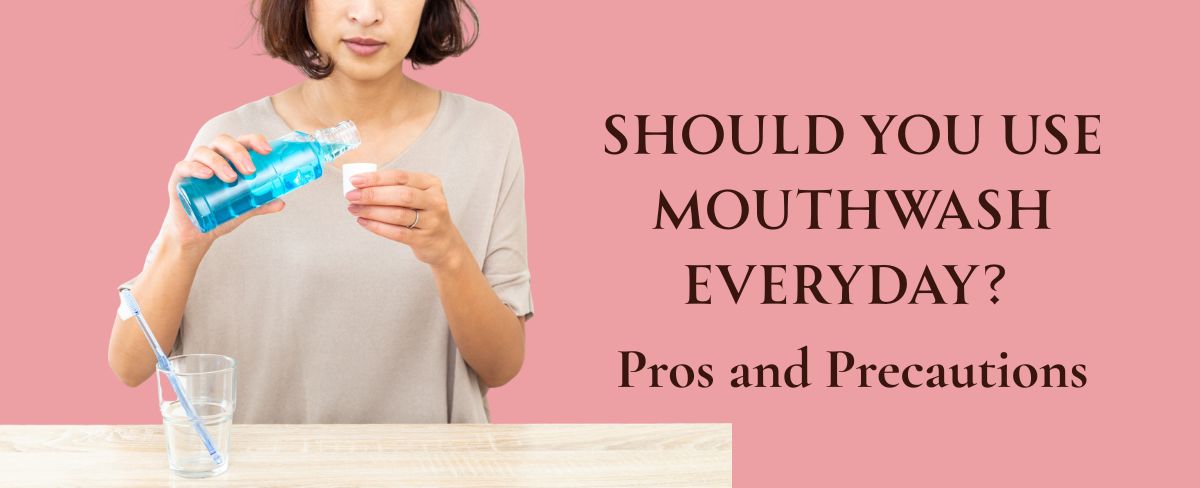
Should you use mouthwash everyday

Mouthwash has become a common part of many people’s daily oral hygiene routine. From fighting bad breath to promising stronger teeth and healthier gums, mouthwash is widely marketed as a quick solution for a cleaner mouth. But many people still wonder: should you use mouthwash every day, and is it actually necessary?

The truth is that mouthwash can be beneficial when used correctly, but it is not a replacement for brushing and flossing. Understanding how mouthwash works, its benefits, and the precautions involved can help you decide whether daily use is right for you.

What Is Mouthwash and How Does It Work?

Mouthwash, also called an oral rinse, is a liquid product designed to reduce bacteria in the mouth, freshen breath, and sometimes provide additional dental benefits such as cavity protection.

Most mouthwashes contain ingredients that help control bacteria, neutralize odor-causing compounds, and strengthen tooth enamel. Some also include antiseptic agents that help reduce plaque and prevent gum disease.

When used properly, mouthwash can reach areas of the mouth that brushing and flossing might miss, providing an extra layer of protection for your oral health.

Types of Mouthwash

Not all mouthwashes are the same. They generally fall into two main categories: cosmetic mouthwash and therapeutic mouthwash.

  • Cosmetic Mouthwash

Cosmetic mouthwash is mainly designed to freshen breath and temporarily reduce oral odor. While it helps improve breath freshness, it does not actively treat dental conditions such as gum disease or cavities.

  • Therapeutic Mouthwash

Therapeutic mouthwash contains active ingredients that target specific oral health concerns. These may include fluoride to strengthen enamel, antibacterial agents to reduce plaque, or antiseptics to fight gum infections.

Dentists often recommend therapeutic mouthwash for patients who are prone to cavities, gum disease, or excessive plaque buildup.

Benefits of Using Mouthwash

When used as part of a proper oral hygiene routine, mouthwash can offer several benefits.

  • Helps Reduce Bacteria

The mouth contains millions of bacteria, some of which can cause plaque, gum disease, and bad breath. Mouthwash helps reduce harmful bacteria and maintain a healthier oral environment.

  • Freshens Breath

One of the most immediate benefits of mouthwash is fresher breath. It helps neutralize odor-causing bacteria and leaves the mouth feeling clean and refreshed.

  • Supports Gum Health

Certain therapeutic mouthwashes contain antibacterial ingredients that help reduce plaque and inflammation in the gums. This can help prevent gingivitis and improve gum health.

  • Provides Extra Protection Against Cavities

Fluoride mouthwash helps strengthen tooth enamel and makes teeth more resistant to acid attacks from bacteria and sugary foods.

  • Reaches Areas Brushing Might Miss

Even with careful brushing, some areas of the mouth can be difficult to reach. Mouthwash helps rinse away debris and bacteria from these hidden areas.

Should You Use Mouthwash Every Day?

Daily use of mouthwash can be beneficial for many people, especially those who want additional protection against cavities or gum disease. However, it should always be used as a supplement to brushing and flossing, not a replacement.

Dentists generally recommend brushing twice a day and flossing once daily as the foundation of oral care. Mouthwash can then be used to enhance these habits by reducing bacteria and freshening breath.

For individuals with specific dental concerns, such as gum inflammation or a high risk of cavities, a dentist may recommend using a therapeutic mouthwash regularly.

Precautions When Using Mouthwash

Although mouthwash can be helpful, improper use or overuse may cause certain problems.

  • Avoid Relying on Mouthwash Alone

Some people use mouthwash as a quick substitute for brushing. This is not effective because mouthwash does not remove plaque from tooth surfaces. Mechanical cleaning with a toothbrush and floss is still necessary.

  • Alcohol-Based Mouthwash May Cause Dry Mouth

Many traditional mouthwashes contain alcohol, which can create a burning sensation and sometimes contribute to dryness in the mouth. A dry mouth can actually increase the risk of tooth decay and bad breath.

Alcohol-free mouthwashes are often recommended for people with sensitive mouths or dry mouth conditions.

  • Do Not Overuse Mouthwash

Using mouthwash excessively may disturb the natural balance of bacteria in the mouth. It is best to follow the instructions on the product label or the advice of your dentist.

  • Children Should Use Mouthwash Carefully

Young children may accidentally swallow mouthwash, which can be harmful. Mouthwash is generally recommended only for older children who can rinse and spit properly.

How to Use Mouthwash Correctly

Using mouthwash properly helps ensure you get the most benefit from it.

Start by brushing and flossing your teeth thoroughly. Then measure the recommended amount of mouthwash, usually about 20 milliliters. Swish the liquid around your mouth for about 30 seconds, making sure it reaches all areas.

After rinsing, spit out the mouthwash and avoid rinsing your mouth with water immediately afterward. This allows the active ingredients to continue working.

Most mouthwashes are designed to be used once or twice daily.

When Mouthwash Is Especially Helpful

In certain situations, mouthwash can be particularly beneficial. People with braces, dental implants, or limited dexterity may find it helpful in reducing plaque buildup. It can also assist individuals who are prone to gum inflammation or frequent bad breath.

Dentists may also prescribe special medicated mouthwashes after dental procedures to help prevent infection and support healing.

Final Thoughts

Mouthwash can be a useful addition to your daily oral care routine when used correctly. It helps reduce bacteria, freshens breath, and provides additional protection for teeth and gums.

However, mouthwash should never replace brushing and flossing. The most effective oral hygiene routine combines proper brushing, daily flossing, regular dental checkups, and the appropriate use of mouthwash when recommended.

If you are unsure which type of mouthwash is best for you, consulting a dentist can help you choose the right option for your oral health needs. By using mouthwash wisely, you can support a healthier mouth and maintain a confident, fresh smile.

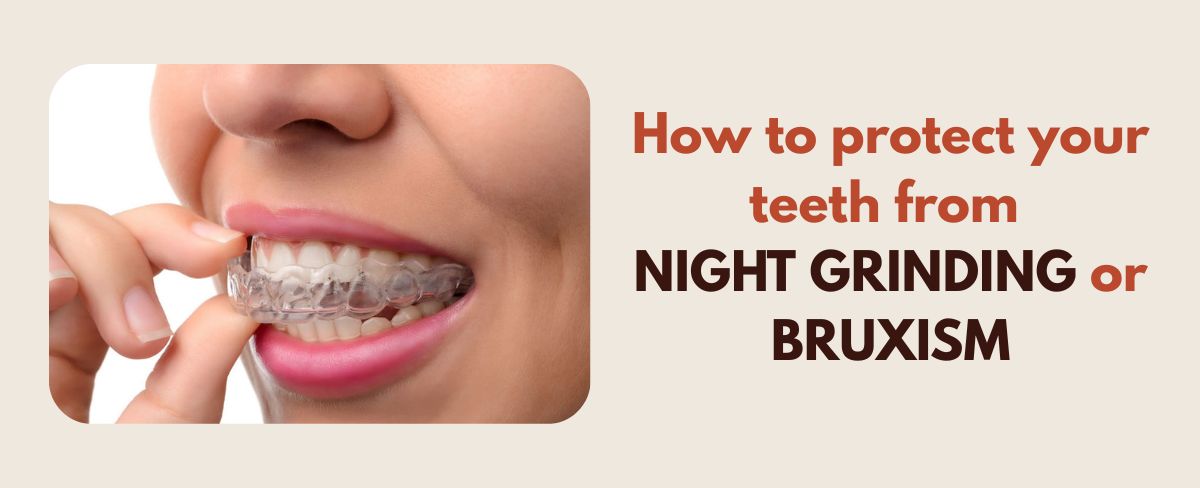
How to protect your teeth from NIGHT GRINDING or BRUXISM

Night grinding, medically known as bruxism, is a common dental condition that affects millions of people worldwide. Many individuals are unaware they grind or clench their teeth during sleep until symptoms begin to appear. Over time, this unconscious habit can lead to serious dental issues such as worn enamel, cracked teeth, jaw pain, and headaches.

Although occasional grinding may not cause major damage, chronic bruxism can significantly impact oral health. Understanding the causes of night grinding and learning effective ways to protect your teeth can help prevent long-term complications and maintain a healthy smile.

What Is Night Grinding?

Night grinding occurs when a person unconsciously clenches or grinds their teeth during sleep. Unlike daytime clenching, which many people can control once they become aware of it, nighttime grinding happens involuntarily.

The muscles responsible for chewing remain active during sleep, causing the upper and lower teeth to rub against each other repeatedly. This constant pressure can place significant strain on the teeth, gums, and jaw joints.

Since most people are asleep when it occurs, they may only discover the condition when a partner hears grinding noises or when dental symptoms begin to appear.

Common Signs That You May Be Grinding Your Teeth

Many people live with bruxism for years without realizing it. However, there are several warning signs that may indicate nighttime grinding.

One of the most common symptoms is jaw soreness or stiffness in the morning. People who grind their teeth often wake up with tight or painful jaw muscles. Frequent morning headaches, particularly around the temples, can also be a sign of teeth grinding.

Another noticeable symptom is tooth sensitivity. Grinding gradually wears down the enamel, exposing the underlying dentin layer and making teeth more sensitive to hot, cold, or sweet foods.

Other possible symptoms include:

  • Flattened or worn-down teeth
  • Cracked or chipped teeth
  • Ear pain without infection
  • Clicking or popping sounds in the jaw
  • Interrupted sleep patterns

If these symptoms appear frequently, it may indicate that bruxism is affecting your oral health.

What Causes Night Grinding?

Night grinding can occur for several reasons, and often more than one factor contributes to the problem.

Stress and Anxiety

Stress is one of the most common causes of bruxism. When the body is under emotional tension, muscles may remain tight even during sleep. This can cause clenching and grinding throughout the night.

Bite Misalignment

An uneven bite or misaligned teeth can also contribute to grinding. When the teeth do not fit together properly, the jaw muscles may try to adjust during sleep, resulting in grinding.

Sleep Disorders

Conditions such as sleep apnea are sometimes associated with bruxism. Disrupted breathing during sleep may trigger the body to grind or clench the teeth.

Lifestyle Factors

Certain lifestyle habits may increase the risk of bruxism. These include excessive caffeine intake, alcohol consumption, smoking, and the use of some medications.

Understanding the underlying cause of grinding is essential for choosing the most effective treatment.

How Night Grinding Damages Your Teeth

Grinding places extreme pressure on the teeth. In fact, the force generated during grinding can be much stronger than the pressure used during normal chewing.

Over time, this constant friction gradually wears down the protective enamel layer. Once enamel becomes thin, teeth become vulnerable to sensitivity, cavities, and fractures.

In severe cases, grinding can lead to cracked teeth, loose teeth, or even tooth loss. Bruxism can also strain the temporomandibular joint (TMJ), causing jaw pain, difficulty chewing, and limited mouth movement.

Because of these risks, protecting your teeth from grinding is extremely important.

Effective Ways to Protect Your Teeth from Night Grinding

Fortunately, several preventive and treatment options can help protect your teeth and reduce the effects of bruxism.

Wear a Custom Night Guard

One of the most effective ways to protect teeth from grinding is by wearing a custom night guard. This dental appliance fits comfortably over the teeth and acts as a protective barrier between the upper and lower teeth.

Night guards prevent direct tooth contact and absorb the pressure created by grinding. This helps protect enamel and reduce strain on the jaw muscles.

Reduce Stress Before Sleep

Since stress often contributes to bruxism, relaxation techniques before bedtime can help reduce grinding. Activities such as meditation, gentle stretching, reading, or listening to calming music may help relax the body and jaw muscles.

Establishing a consistent bedtime routine can also improve sleep quality and reduce nighttime muscle tension.

Limit Caffeine and Alcohol

Stimulants like caffeine can increase muscle activity during sleep. Limiting coffee, energy drinks, and caffeinated beverages in the evening may reduce grinding episodes.

Alcohol can also interfere with sleep patterns and increase the likelihood of bruxism.

Improve Sleep Habits

Good sleep hygiene plays an important role in managing teeth grinding. Maintaining a regular sleep schedule, avoiding screens before bed, and creating a relaxing sleep environment can help promote deeper, more restful sleep.

When the body sleeps properly, muscle tension tends to decrease.

Address Dental Alignment Issues

If grinding is caused by bite misalignment, a dentist may recommend treatments to improve the way the teeth fit together. Correcting bite issues can reduce pressure on the jaw and help minimize grinding.

When to See a Dentist

If you suspect that you grind your teeth at night, it is important to seek professional dental advice. A dentist can identify early signs of enamel wear, tooth damage, or jaw strain.

Early diagnosis allows for simple preventive treatments such as night guards or bite adjustments, which can protect teeth from long-term damage.

Final Thoughts

Night grinding is a common but often overlooked dental condition. While occasional grinding may not cause serious harm, chronic bruxism can lead to tooth damage, jaw pain, and other oral health problems.

The good news is that with early awareness and proper care, it is possible to protect your teeth from the harmful effects of grinding. Wearing a night guard, managing stress, improving sleep habits, and seeking regular dental checkups can all help maintain a healthy and strong smile.

Taking steps today to protect your teeth from night grinding can prevent costly dental treatments and preserve your oral health for years to come.

Our Locations

Scroll to Top