
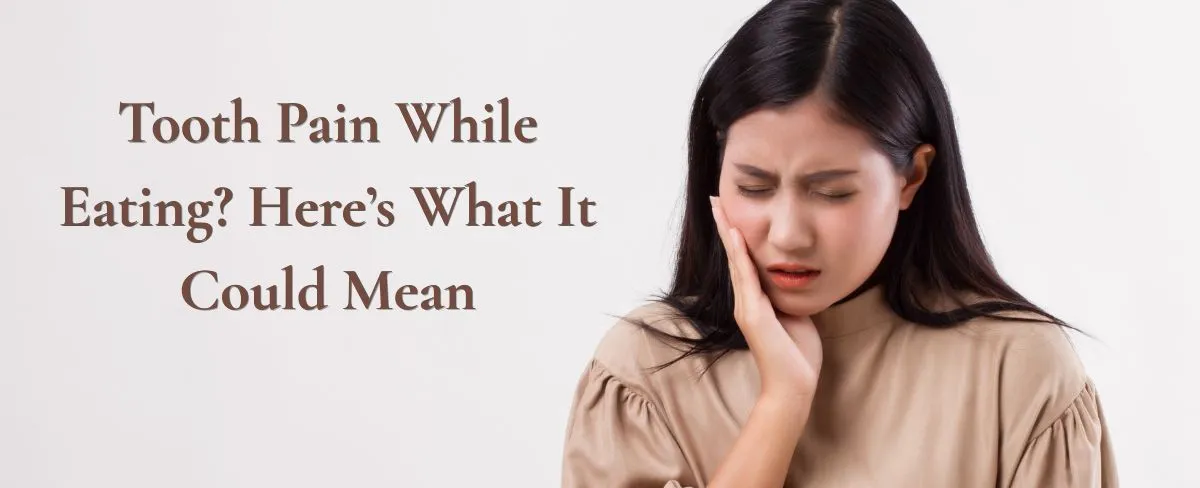
Tooth pain while eating is one of the most common dental complaints, yet many people ignore it until the discomfort becomes unbearable. Whether it’s a sharp pain when biting or sensitivity when eating hot, cold, or sweet foods, this symptom is often your body’s way of signaling an underlying dental issue.
Understanding the cause of tooth pain early can help you prevent more serious problems and avoid complex treatments. Let’s explore what tooth pain while eating could mean and when you should seek professional dental care.
 Why Does Tooth Pain Occur While Eating?
Eating puts pressure on your teeth and exposes them to different temperatures and textures. If your teeth are healthy, this process should feel completely normal. However, when there is damage, decay, or sensitivity, these everyday actions can trigger pain.
The type of pain you feel – sharp, dull, sudden, or lingering – often provides clues about the underlying problem.
 Common Causes of Tooth Pain While Eating
Not all mouthwashes are the same. They generally fall into two main categories: cosmetic mouthwash and therapeutic mouthwash.
1. Tooth Decay (Cavities)
One of the most common causes of pain while eating is tooth decay. Cavities create small holes in the enamel, exposing the inner layers of the tooth.
When food particles or sugary substances come into contact with these areas, they irritate the nerves, causing discomfort or sharp pain.
2. Tooth Sensitivity
If you feel a sudden sharp pain when eating hot, cold, or sweet foods, you may be experiencing tooth sensitivity. This usually occurs when enamel wears down or gums recede, exposing the dentin layer underneath.
Sensitivity can develop due to aggressive brushing, acidic foods, teeth whitening, or grinding.
3. Cracked or Fractured Tooth
A cracked tooth may not always be visible, but it can cause pain when biting or chewing. The pressure from chewing can open the crack slightly, exposing the inner nerve and causing discomfort.
This type of pain often comes and goes, making it easy to overlook until the damage worsens.
4. Gum Disease
Gum disease can cause inflammation, bleeding, and discomfort while eating. As gums recede, they expose the roots of the teeth, which are more sensitive than enamel.
Food can also get trapped between gums and teeth, increasing irritation and pain.
5. Worn Dental Fillings or Restorations
Old or damaged fillings may no longer protect the tooth properly. When fillings wear out or crack, they can expose sensitive areas of the tooth, leading to pain while chewing.
Replacing or repairing these restorations can often resolve the issue quickly.
6. Tooth Infection or Abscess
If the pain is severe, persistent, or throbbing, it may indicate a deeper infection inside the tooth. In such cases, the pulp becomes infected, leading to intense pain, swelling, and sometimes a bad taste in the mouth.
This condition usually requires immediate dental treatment, such as a root canal.
7. Teeth Grinding (Bruxism)
Grinding your teeth, especially at night, can weaken enamel and create micro-cracks in teeth. Over time, this makes teeth more sensitive and prone to pain while eating.
🧠 How to Identify the Type of Pain
Understanding the nature of your pain can help determine the cause:
- Sharp pain while biting → Possible cracked tooth
- Sensitivity to hot/cold → Enamel wear or exposed dentin
- Pain with sweets → Early decay
- Constant throbbing pain → Infection or abscess
- Pain near gums → Gum disease or recession
If the pain persists or worsens, it’s important not to ignore it.
🏥 When Should You See a Dentist?
Tooth pain while eating should never be ignored, especially if it:
- Lasts more than a few days
- Becomes more intense over time
- Is accompanied by swelling or fever
- Makes chewing difficult
- Is triggered frequently
Early diagnosis can prevent minor issues from becoming major problems.
🦷 Treatment Options
The treatment depends on the underlying cause of the pain.
- Cavities are treated with fillings
- Sensitivity may be managed with fluoride or desensitizing treatments
- Cracked teeth may require bonding, crowns, or advanced treatment
- Gum disease requires professional cleaning and care
- Infections may need root canal treatment
- Worn fillings can be replaced
A dentist will recommend the most appropriate solution based on your condition.
🛡️ How to Prevent Tooth Pain While Eating
Prevention is always better than treatment. Simple daily habits can protect your teeth from damage:
- Brush twice daily with a soft-bristle toothbrush
- Floss regularly to remove food particles
- Avoid excessive sugary and acidic foods
- Do not ignore early signs of discomfort
- Visit your dentist for regular checkups
- Use a night guard if you grind your teeth
Maintaining consistent oral hygiene can significantly reduce the risk of dental problems.
Final Thoughts
Tooth pain while eating is not something to ignore. It is often an early warning sign of a dental issue that needs attention. Whether it’s a minor cavity or a more serious condition, identifying the cause early can save you from discomfort, time, and expensive treatments.
If you’re experiencing tooth pain while eating, it’s best to consult a dental professional and get it evaluated. Taking timely action can protect your teeth and ensure long-term oral health.