
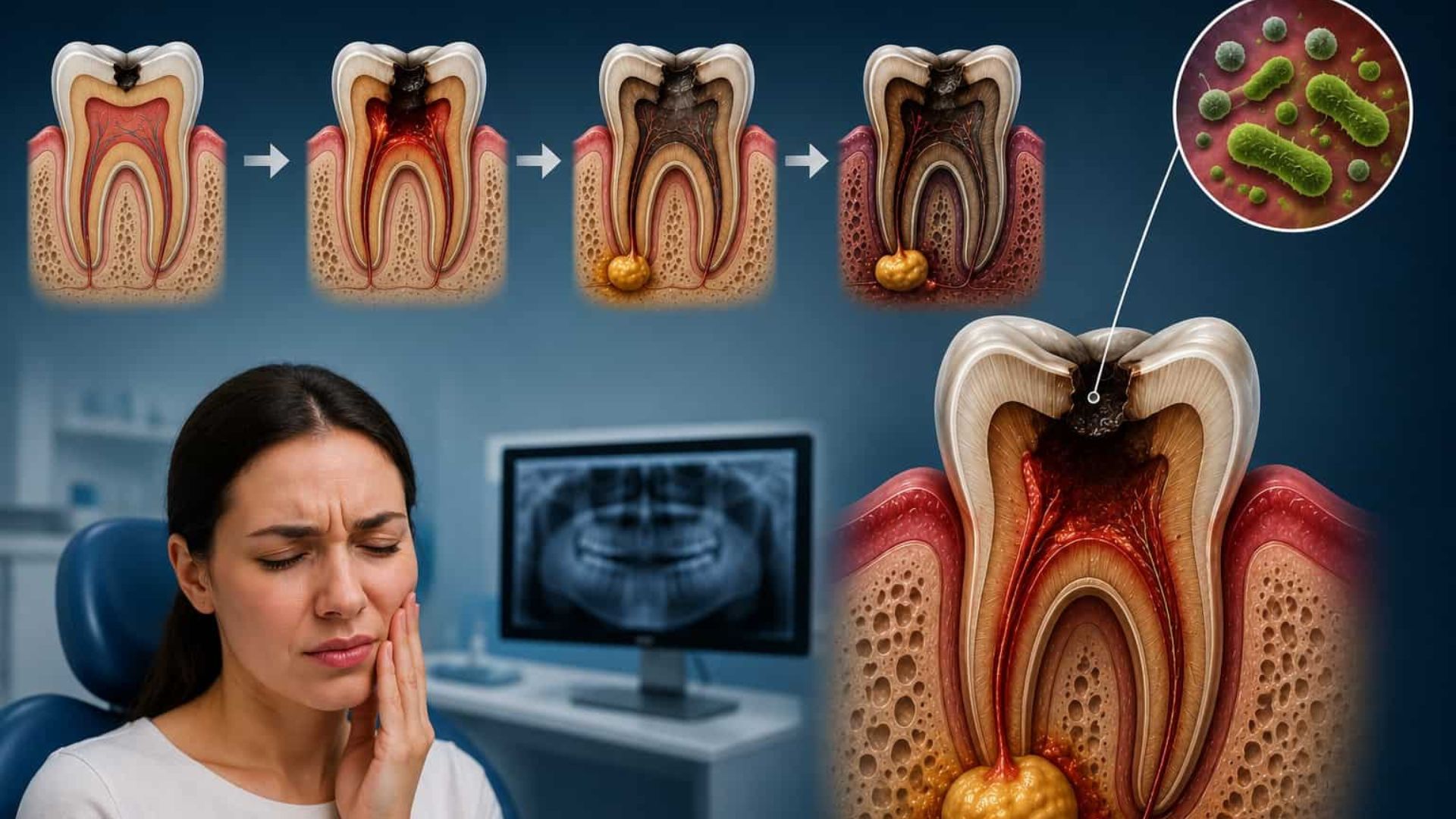
Many people postpone dental treatment hoping the pain will eventually disappear on its own. This is especially common with root canal treatment. Since the procedure is often associated with fear or anxiety, patients tend to ignore the symptoms until the pain becomes unbearable. However, delaying a root canal treatment can lead to serious oral health complications that become more difficult and expensive to treat over time.
A root canal is designed to save a damaged or infected tooth. When treatment is delayed, the infection continues spreading deeper into the tooth and surrounding tissues. Understanding what happens when a root canal is postponed can help you make informed decisions and protect your long-term oral health.
Why Is a Root Canal Needed?
Inside every tooth is a soft tissue called the pulp, which contains nerves and blood vessels. When this pulp becomes infected due to deep decay, cracks, trauma, or repeated dental procedures, it causes inflammation and pain.
A root canal treatment removes the infected pulp, cleans the inside of the tooth, and seals it to prevent further infection. The goal is to save the natural tooth and restore its normal function.
Without treatment, the infection does not heal on its own.
The Pain Usually Gets Worse, Not Better
One of the first signs of needing a root canal is persistent tooth pain. At first, the discomfort may come and go, which often leads people to believe the issue is temporary.
However, when the infection progresses, the pain usually becomes:
- More frequent
- More intense
- Triggered by hot or cold foods
- Painful while chewing or biting
In some cases, the pain may suddenly stop altogether. While this may seem like a good sign, it often means the nerve inside the tooth has died completely. Unfortunately, the infection usually continues spreading silently beneath the surface.
The Infection Can Spread Beyond the Tooth
A delayed root canal allows bacteria to spread beyond the inner tooth structure into the surrounding gums and jawbone. As the infection progresses, it can cause swelling around the affected tooth, gum boils, pus formation, facial swelling, and even jawbone infection.
Once the infection moves outside the tooth, treatment becomes far more complicated and may require additional procedures. In severe cases, the infection can spread to nearby tissues and begin affecting overall health as well.
Increased Risk of Dental Abscess
One of the most serious consequences of delaying a root canal is the development of a dental abscess. An abscess is a pocket of pus caused by bacterial infection.
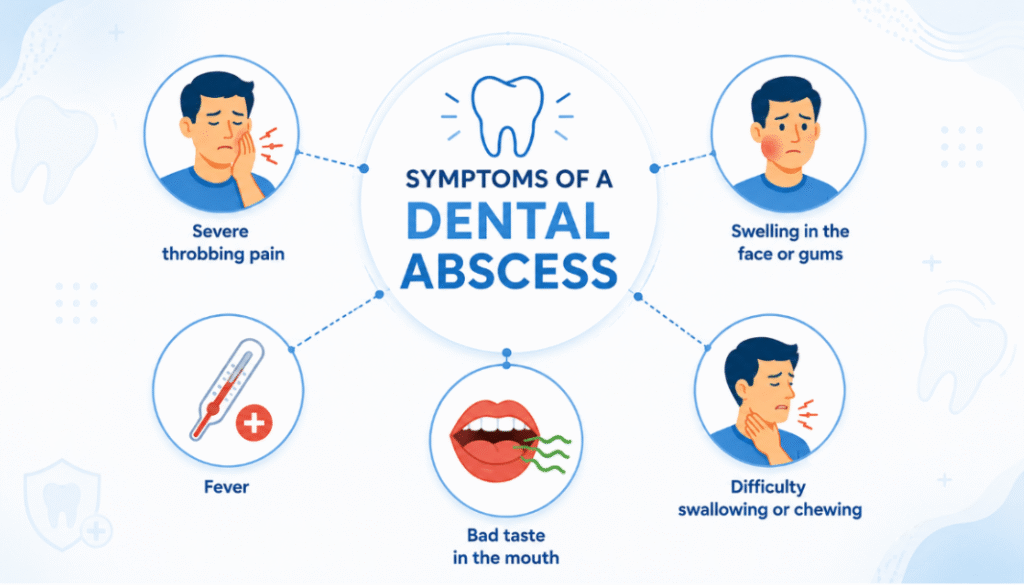
A dental abscess is considered a dental emergency and requires immediate treatment.
You May Eventually Lose the Tooth
Root canal treatment is often the final opportunity to save a natural tooth affected by deep infection or damage. If the infection is left untreated for an extended period, it can severely damage the tooth structure as well as the surrounding bone, making the tooth impossible to restore. In such cases, tooth extraction may become the only remaining treatment option.
Losing a tooth can lead to several additional oral health problems, including difficulty chewing, shifting of nearby teeth, bone loss in the jaw, and even changes in facial appearance over time. Replacing a missing tooth with dental implants or bridges is generally more expensive, time-consuming, and complex compared to treating the infection early with a root canal procedure.
Delaying Treatment Often Increases Costs
Many people postpone root canal treatment because they are concerned about the cost. However, delaying treatment often leads to much higher expenses in the future.
An untreated infection can worsen over time and may eventually require emergency dental visits, tooth extraction, dental implants or bridges, bone grafting procedures, and additional medications.
Treating the problem early is usually much simpler, less invasive, and far more cost-effective in the long run.
The Infection Can Affect Overall Health
Oral infections do not always remain isolated to the mouth. Bacteria from untreated dental infections can enter the bloodstream and contribute to inflammation throughout the body.
Research has linked poor oral health and chronic dental infections to conditions such as:
- Heart disease
- Diabetes complications
- Respiratory infections
Taking care of oral infections promptly supports both dental and overall health.
Some Frequently Asked Questions (FAQs) for Root Canal Treatment
1. How do I know if I need a root canal treatment?
Common signs include persistent tooth pain, sensitivity to hot or cold foods, swelling around the gums, pain while chewing, and darkening of the tooth. A dental examination and X-ray can confirm whether a root canal is needed.
2. Is root canal treatment painful?
Modern root canal treatment is usually no more uncomfortable than getting a dental filling. With advanced anesthesia and technology, the procedure is designed to relieve pain caused by infection, not create it.
3. What happens if I ignore a tooth infection?
Ignoring a tooth infection can allow bacteria to spread into the gums, jawbone, and surrounding tissues. This may lead to severe pain, swelling, abscess formation, and even tooth loss.
4. Can antibiotics cure the infection instead of a root canal?
Antibiotics may temporarily reduce symptoms, but they usually cannot completely remove infection inside the tooth. A root canal is often necessary to clean and seal the infected area properly.
5. Can a tooth still be saved after severe infection?
In many cases, yes. However, early treatment provides the best chance of saving the natural tooth. If the infection becomes too advanced, extraction may become necessary.
6. How long does a root canal treated tooth last?
With proper care, regular dental checkups, and good oral hygiene, a root canal treated tooth can last for many years or even a lifetime.
Final Thoughts
Delaying a root canal treatment may seem harmless at first, especially if the pain comes and goes. However, untreated tooth infections rarely improve on their own. Instead, they usually worsen over time, leading to severe pain, abscesses, bone damage, and even tooth loss.
A root canal is not something to fear. It is a procedure designed to eliminate infection, relieve discomfort, and preserve your natural tooth. Seeking treatment early can save you from more complex procedures, higher costs, and unnecessary pain later.
Protecting your oral health starts with acting early rather than waiting for the problem to become unavoidable.