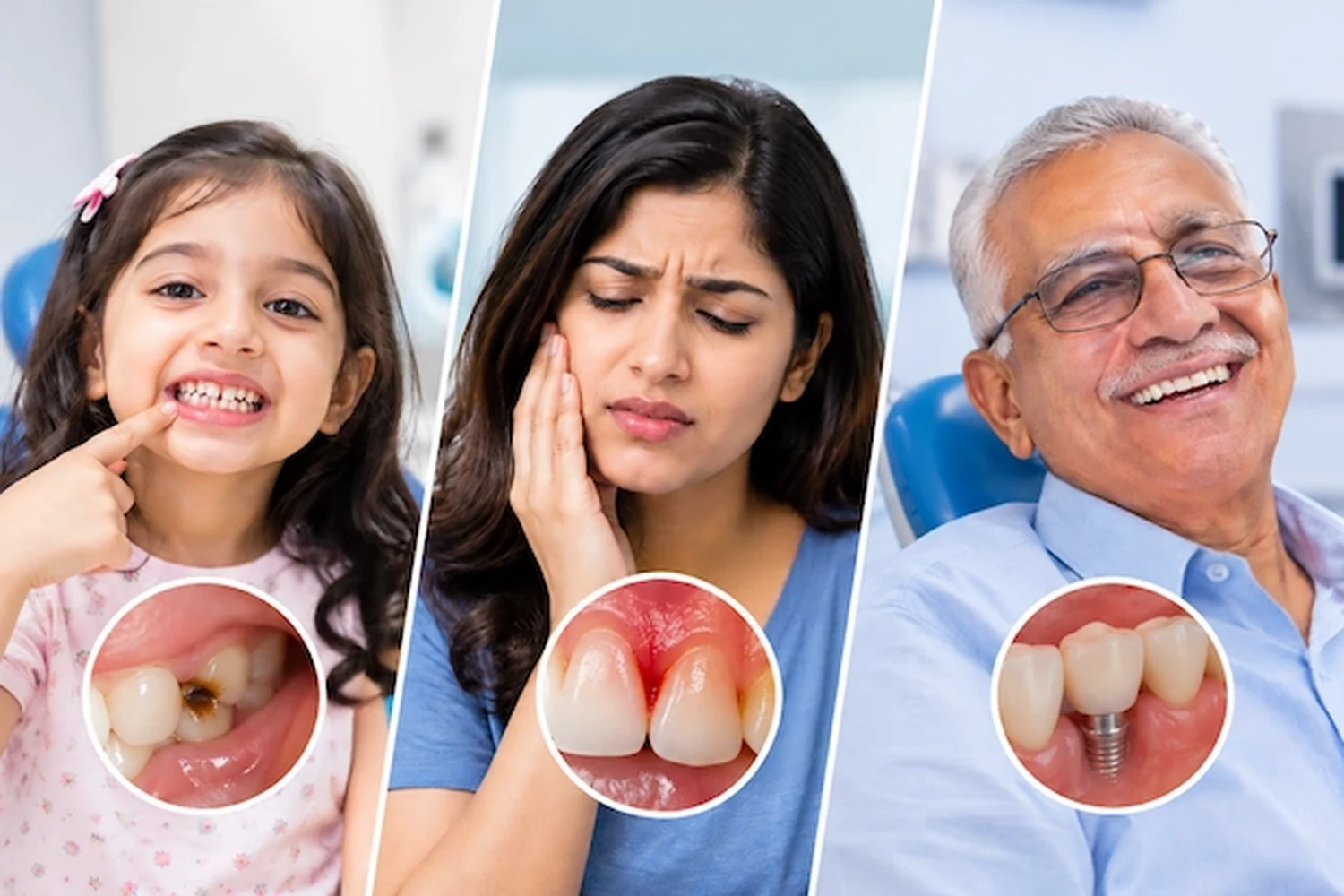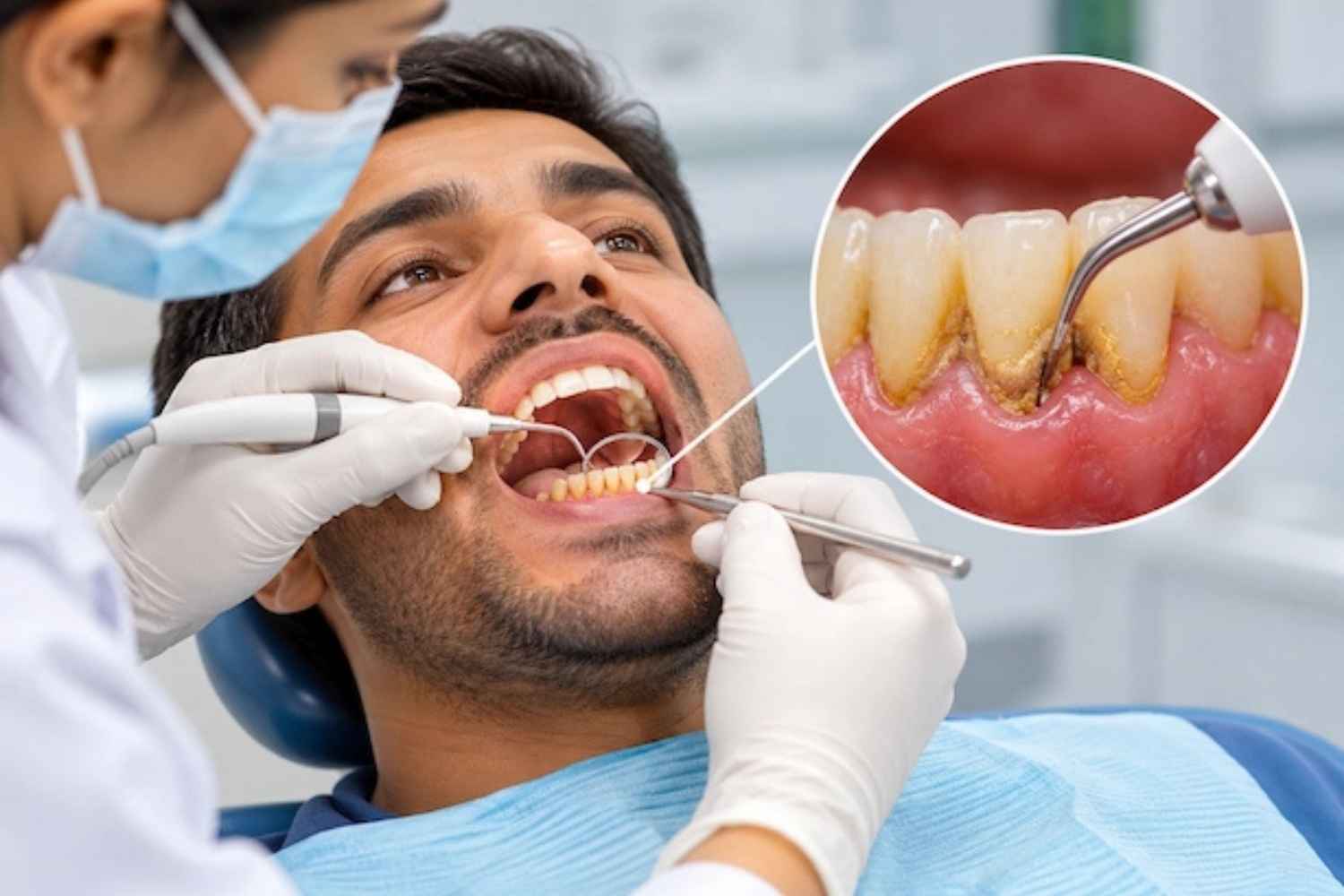

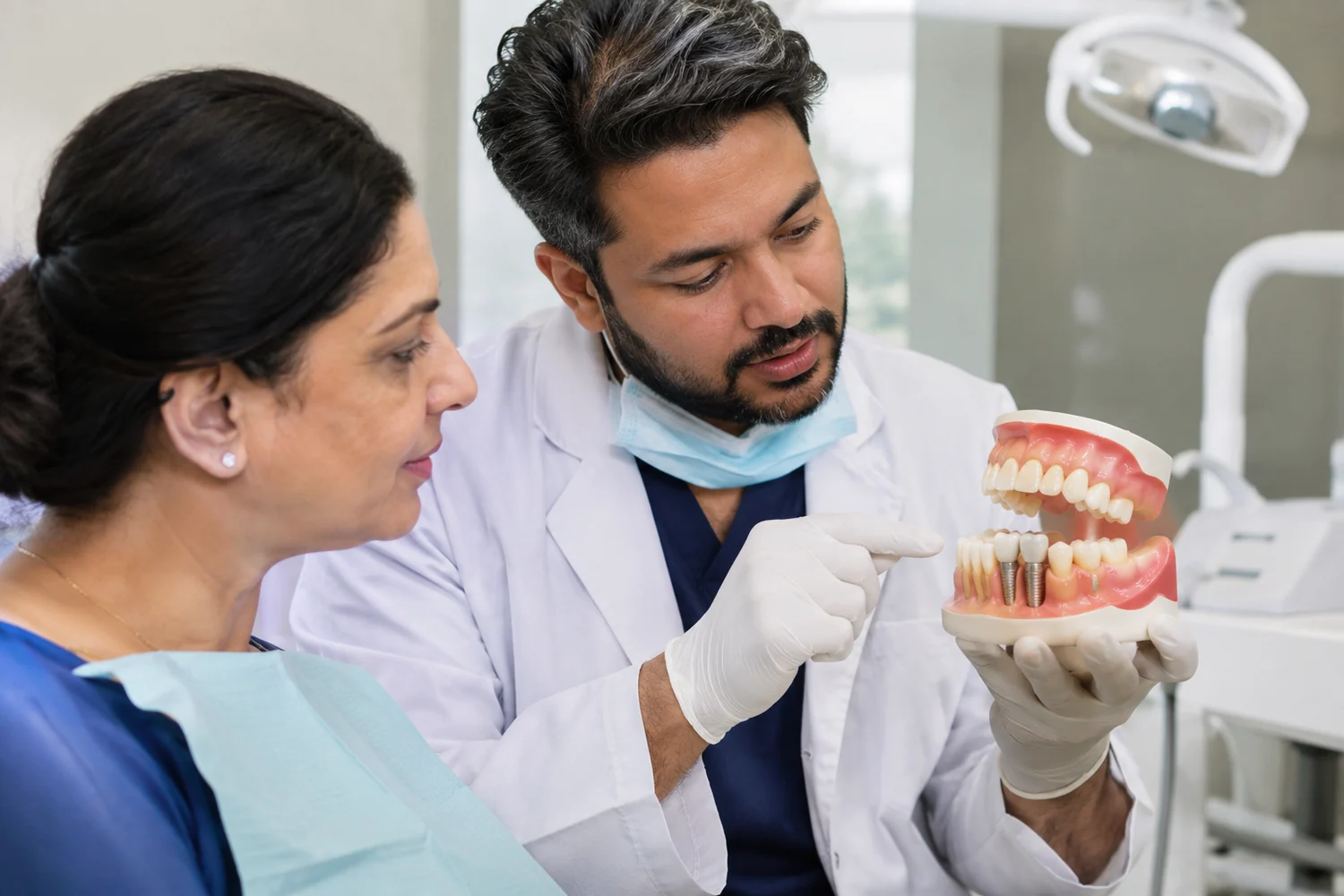
Losing several teeth or having multiple damaged teeth can affect more than just your smile. It can make chewing difficult, affect speech, and change the way your upper and lower teeth meet. When several dental problems need attention, a dentist may recommend full mouth rehabilitation using a combination of crowns, dental implants, and dentures.
Not every patient needs all three treatments. The combination depends on which teeth can be saved, how many teeth are missing, and the condition of the gums and jawbone.
What Is Full Mouth Rehabilitation?
Full mouth rehabilitation is a planned approach to restoring the function and appearance of most or all teeth in the upper and lower jaws. It may involve repairing damaged natural teeth, replacing missing teeth, and improving the way the teeth come together when biting.
Depending on the condition of the mouth, treatment may include dental crowns, implants, bridges, or removable dentures.
The aim is to create a functional and maintainable set of teeth while preserving healthy natural teeth wherever possible.
When Is Full Mouth Rehabilitation Needed?
A person may need full mouth rehabilitation when several dental problems occur together. Common situations include:
- Multiple missing teeth due to decay, gum disease, or injury.
- Severely damaged or weakened teeth that cannot be restored with ordinary fillings.
- Worn-down teeth caused by long-term grinding or other forms of tooth wear.
- Old crowns or bridges that need replacement.
- Difficulty chewing because of missing or poorly positioned teeth.
- A combination of damaged natural teeth and gaps that need replacement.
A dental examination helps determine which teeth can be retained and which may need replacement.
What Role Do Dental Crowns Play?
Dental crowns are caps that cover damaged or weakened teeth. They help restore the tooth’s shape, strength, and function.
A dentist may recommend crowns when:
- A tooth has lost considerable structure due to decay.
- A tooth has fractured or become weak.
- A tooth has undergone root canal treatment and needs additional protection.
- An existing crown needs replacement.
Crowns can also be attached to dental implants to replace individual missing teeth. However, a crown placed on a natural tooth and one supported by an implant have different foundations.
When Are Dental Implants Required?
Dental implants are used to replace missing tooth roots. A small implant post is placed in the jawbone, where it integrates with the surrounding bone during healing.
Once the site is ready, the implant can support a crown, a bridge, or certain types of dentures.
Implants may be considered when:
- One or more teeth are missing.
- A missing tooth needs a fixed replacement.
- Several missing teeth need support from an implant-supported bridge.
- A denture needs additional retention and stability.
The dentist must assess bone support, gum health, medical history, and other factors before recommending implant treatment.
Why Might Dentures Also Be Needed?
Dentures replace missing teeth and can be either partial or complete.
A partial denture replaces several missing teeth while some natural teeth remain. A complete denture replaces all teeth in the upper or lower jaw.
Dentures may be recommended when a patient has multiple missing teeth, when fixed replacement is not suitable for every area, or when a removable option better matches the patient’s needs.
Some dentures can also be supported or retained by dental implants. This can help improve their stability compared with conventional removable dentures.
How Can Crowns, Implants, and Dentures Work Together?
These treatments can be combined when different areas of the mouth have different dental needs.
For example, consider a patient who has several missing teeth, a few weakened natural teeth, and gaps where multiple teeth need replacement.
The dentist may recommend:
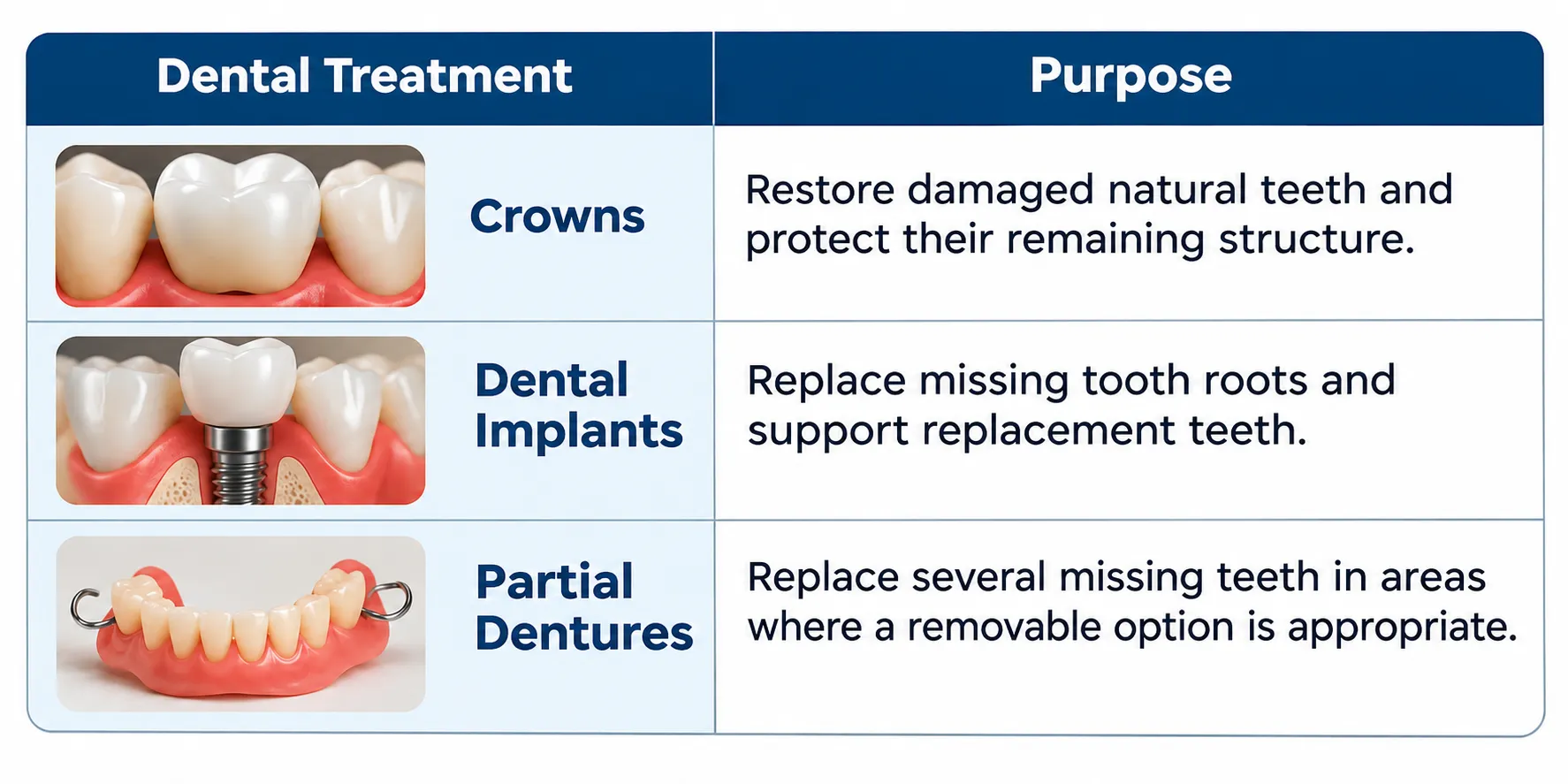
In some cases, implants can also be used to support removable dentures, while crowns restore other remaining teeth.
This approach allows the dentist to address different problems without using the same treatment for every tooth.
How Is the Treatment Planned?
Full mouth rehabilitation requires careful assessment before any procedure begins. The dentist considers the condition of the remaining teeth, gums, jawbone, and bite.
The treatment process may involve:
- Dental examination – Checking for decay, gum disease, damaged teeth, and missing teeth.
- Dental imaging – Using X-rays or other scans when needed to assess the teeth and supporting bone.
- Treatment planning – Deciding which teeth can be saved, which need crowns, and where implants or dentures may be suitable.
- Preparatory treatment – Addressing infections, gum problems, or teeth that cannot be restored.
- Restoration – Placing crowns, implants, and dentures according to the planned treatment sequence.
- Follow up – Checking the fit, bite, comfort, and condition of the restorations.
The final replacement teeth should be planned before implant placement so that their position and support can be considered during treatment.
How Should You Maintain Your Restored Teeth?
Crowns, implants, and dentures need regular care. Good oral hygiene also helps protect the natural teeth and gums that remain.
Patients should:
- Brush twice daily with fluoride toothpaste.
- Clean between natural teeth and around implant restorations.
- Remove and clean removable dentures as advised by the dentist.
- Attend regular dental check-ups.
- Report discomfort, loose restorations, or changes in their bite.
Frequently Asked Questions
1. Is full mouth rehabilitation suitable for everyone?
It depends on the condition of your teeth, gums, jawbone, and overall oral health. A dental examination is needed to determine suitability.
2. Can crowns, implants, and dentures be used together?
Yes, A dentist may combine these treatments to restore damaged natural teeth and replace missing teeth in different areas of the mouth.
3. How long does full mouth rehabilitation take?
Treatment may take several weeks or months, depending on the procedures involved and the healing time required.
4. Can natural teeth be saved during full mouth rehabilitation?
Yes, Teeth with sufficient healthy structure may be restored with crowns or other treatments instead of being extracted.
Planning Your Full Mouth Rehabilitation?
If you have multiple missing, damaged, or worn-down teeth, consult a dentist to explore suitable treatment options. Get professional guidance on combining crowns, dental implants, and dentures based on your dental needs.
Disclaimer: This article is for informational purposes only and does not replace professional dental advice, diagnosis or treatment. Consult a qualified dentist to determine the right treatment for your dental needs.