
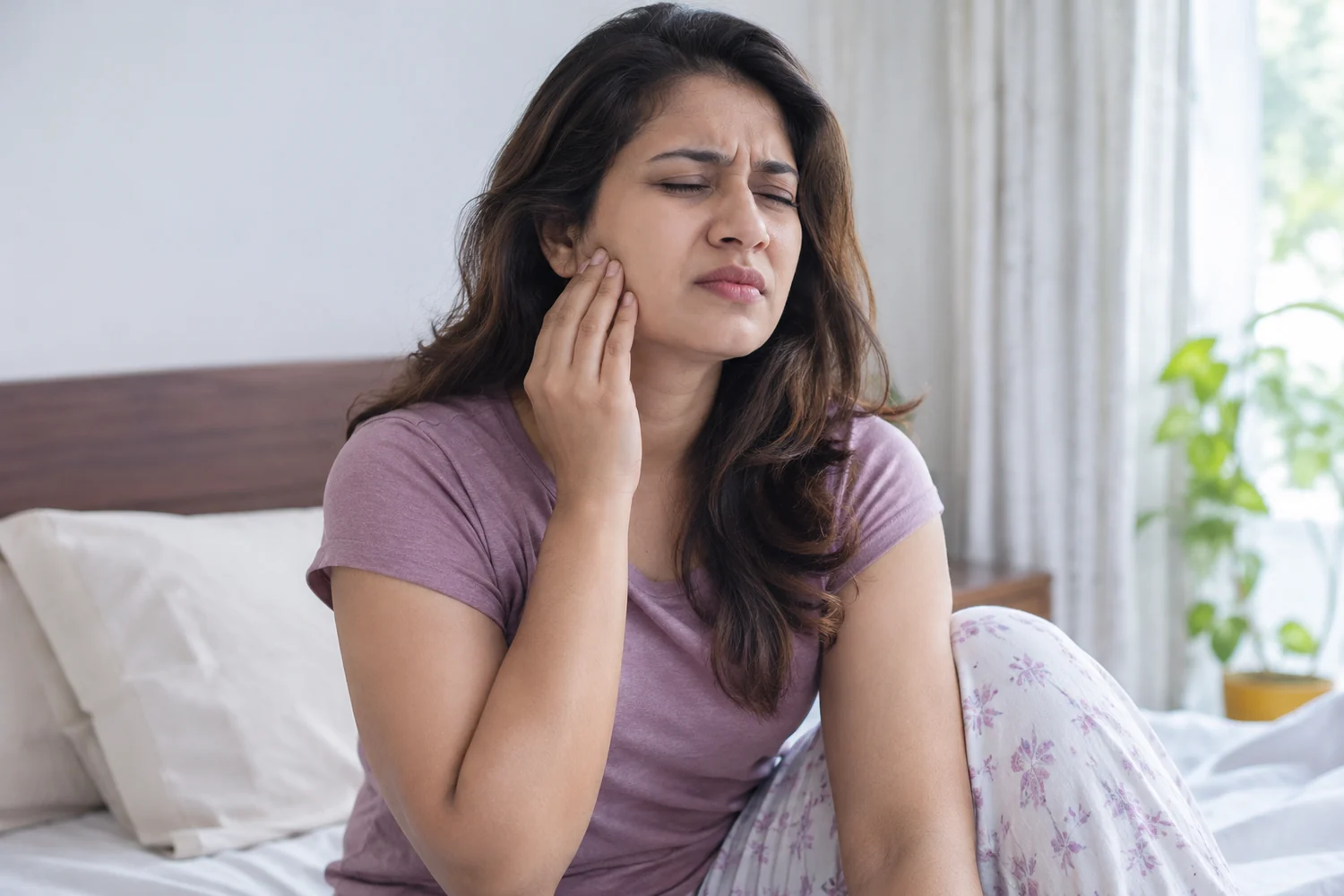
If your jaw feels tight when you wake up, opening your mouth or chewing breakfast may feel uncomfortable. The stiffness might settle after a while, but recurring morning discomfort shouldn’t be ignored.
One possible reason is teeth grinding during sleep. However, problems involving the jaw muscles or temporomandibular joints can also cause similar symptoms. Understanding these conditions can help you recognise when to seek dental advice.
Why Does Your Jaw Feel Stiff in the Morning?
Your jaw works throughout the day when you speak, chew and swallow. During sleep, some people unknowingly clench or grind their teeth. This can put repeated pressure on the muscles responsible for jaw movement.
In other cases, the stiffness may be related to an existing jaw joint problem. The exact cause depends on your symptoms, medical history and dental examination.
4 Possible Causes of Morning Jaw Stiffness
1. Teeth Grinding During Sleep (Bruxism)
Bruxism is the medical term for grinding or clenching your teeth. It can happen while you’re awake or asleep, often without you realising it.
When you clench your teeth repeatedly at night, the jaw muscles remain under pressure. This may leave them feeling tired, tight or sore when you wake up.
Other signs may include:
- Flattened, chipped or worn teeth.
- Increased tooth sensitivity.
- Headaches around the temples.
- Soreness around the jaw or face.
Stress, certain medications and sleep-related conditions may also be associated with teeth grinding.
2. Temporomandibular Disorders (TMD)
The temporomandibular joints (TMJ) connect your lower jaw to your skull. You have one joint on each side, just in front of your ears.
Temporomandibular disorders (TMD) refer to conditions affecting these joints and the muscles responsible for jaw movement.
Depending on the condition, symptoms may include:
- Pain near the ears or jaw joints.
- Difficulty opening your mouth fully.
- Clicking or popping accompanied by pain.
- Jaw stiffness or locking.
- Discomfort while chewing.
Some TMD conditions involve the soft disc inside the joint, which helps the jaw move smoothly. Changes affecting the disc, joint tissues or surrounding muscles can cause discomfort and restricted movement.
3. Jaw Muscle Tension and Overuse
Your jaw muscles can become strained through repeated habits, even without noticeable teeth grinding.
For example, regularly chewing gum, biting your nails or holding your jaw tightly during stressful situations can put extra pressure on these muscles.
If the muscles are already tense, you may notice soreness or stiffness when you wake up.
4. Arthritis or Previous Jaw Injury
The jaw joints can also be affected by conditions such as osteoarthritis and rheumatoid arthritis.
These conditions may affect the joint tissues and cause pain or restricted movement. A previous injury to the face or jaw can also contribute to joint discomfort.
Persistent stiffness, particularly when accompanied by pain or difficulty moving the jaw, deserves professional assessment.
Other Symptoms to Watch For
Morning jaw stiffness may occur alongside other symptoms. Pay attention if you notice:
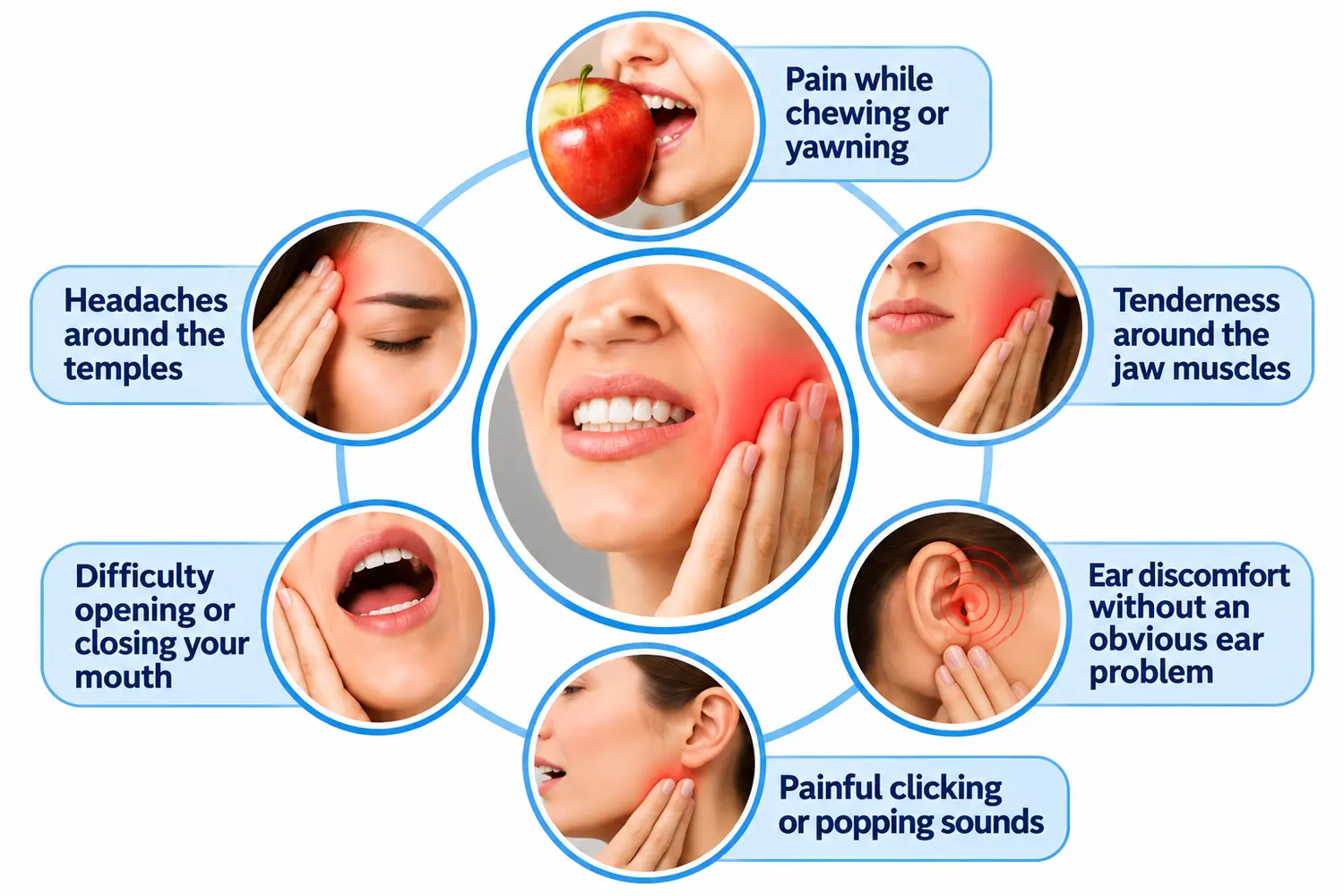
A clicking sound without pain or restricted movement is common and does not necessarily require treatment.
How Can a Dentist Identify the Cause?
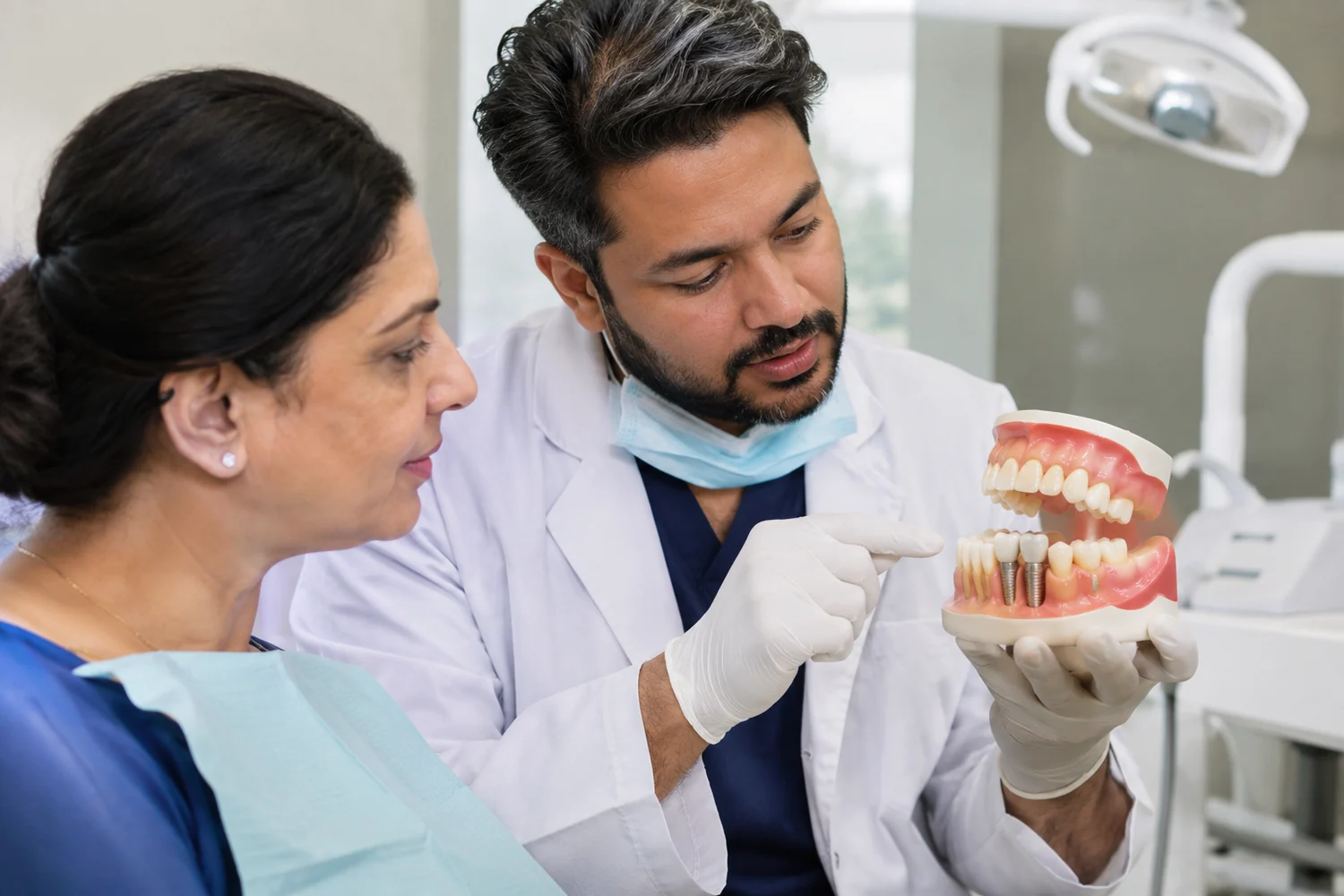
A dental examination helps determine whether the stiffness is related to teeth grinding, muscle tension, a jaw joint condition or another dental problem.
The dentist may:
- Ask when the stiffness started and how frequently it occurs.
- Check your jaw movement and joint tenderness.
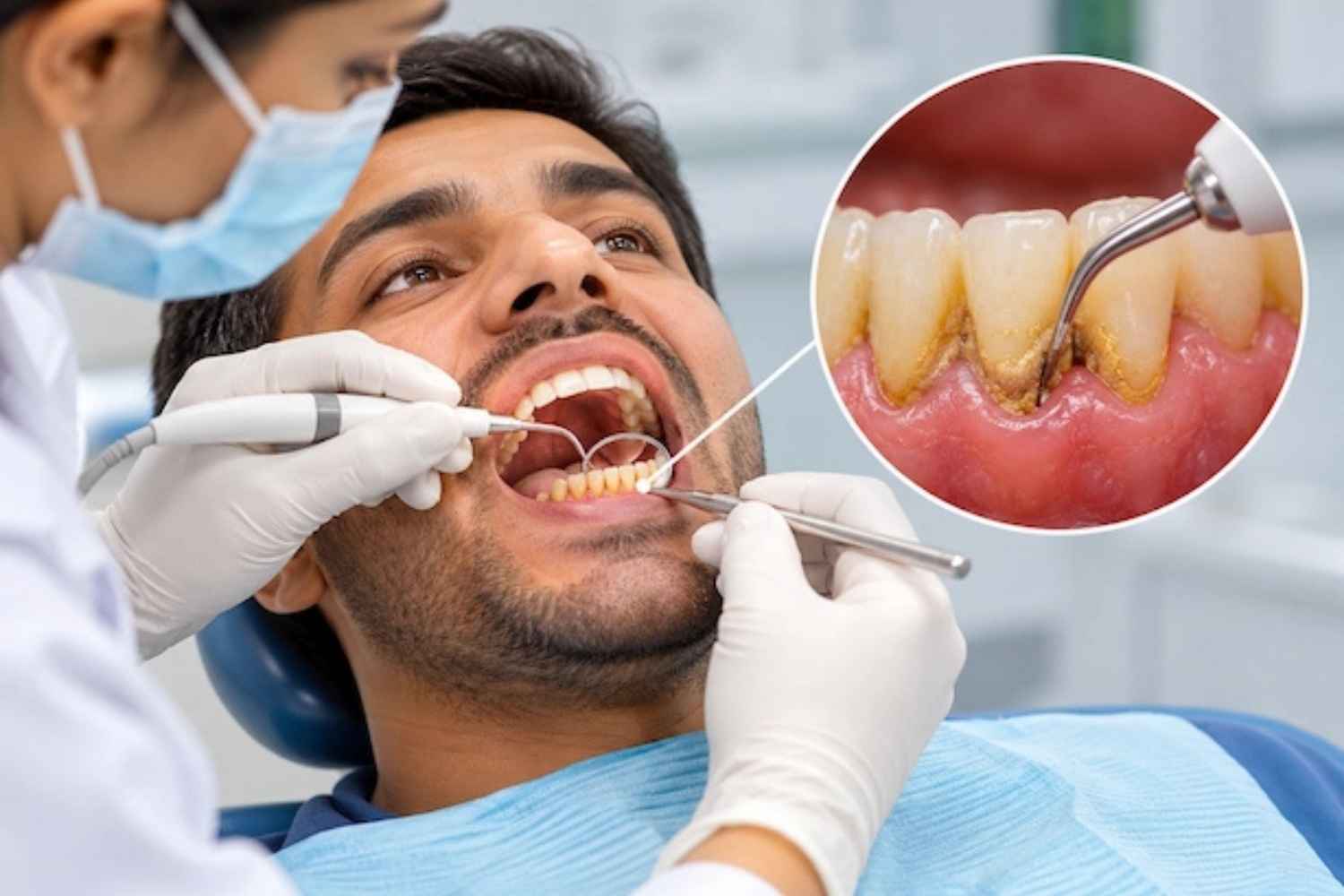
- Look for signs of tooth wear or damage.
- Examine the teeth, gums and surrounding tissues.
- Recommend imaging if further investigation is needed.
Not everyone needs an X-ray or scan. The decision depends on the symptoms and clinical findings.
What Can Help Reduce Jaw Stiffness?
The right approach depends on the underlying cause. Some simple measures may help manage mild discomfort:
- Choose softer foods – Temporarily avoid foods that require excessive chewing.
- Apply a warm or cold compress – Use whichever feels more comfortable, with a protective cloth around the compress.
- Avoid gum chewing – Reduce habits that put repeated pressure on your jaw.
- Relax your jaw – Keep your teeth slightly apart when you’re not eating.
- Pay attention to clenching – Notice whether you hold your jaw tightly during work or stressful situations.
If teeth grinding is identified, a dentist may recommend a properly fitted night guard to protect your teeth from further damage.
When Should You Visit a Dentist?
Occasional stiffness may settle, but repeated morning discomfort, jaw pain or difficulty chewing should be assessed.
Seek prompt dental attention if you experience persistent pain, worsening stiffness, tooth damage or difficulty opening your mouth.
Jaw stiffness accompanied by facial swelling, fever or severe toothache may indicate an infection that needs urgent attention. Difficulty breathing or swallowing requires emergency medical care.
Get Your Jaw Stiffness Checked
Experiencing recurring jaw stiffness, pain while chewing, or difficulty opening your mouth? Consult a dentist to identify the possible cause and discuss suitable treatment options.
Call: +91 88509 92611
WhatsApp: Chat with AK Dental Clinic
Frequently Asked Questions
1. Can teeth grinding cause jaw stiffness in the morning?
Yes, grinding or clenching during sleep can strain the jaw muscles, causing soreness and stiffness after waking up.
2. Is morning jaw stiffness a sign of TMJ disorder?
It can be a symptom of TMD, but other conditions, including bruxism and dental infections, can also cause jaw discomfort.
3. Does jaw stiffness go away on its own?
Mild stiffness may improve with rest and simple self-care. Recurring or persistent discomfort should be evaluated by a dentist.
4. Can a dentist help with jaw stiffness?
Yes, A dentist can examine your teeth, jaw muscles, and joints to identify possible dental causes and recommend suitable treatment.
Disclaimer: This article is for informational purposes only and should not replace professional dental advice, diagnosis or treatment. Consult a qualified dentist for proper evaluation of your symptoms.